Opinion - (2025) Volume 10, Issue 3
Received: 01-May-2025, Manuscript No. PE-26-179279;
Editor assigned: 05-May-2025, Pre QC No. P-179279;
Reviewed: 19-May-2025, QC No. Q-179279;
Revised: 22-May-2025, Manuscript No. R-179279;
Published:
29-May-2025
, DOI: 10.37421/2472-1042.2025.10.285
Citation: Adeyemi, Samuel. ”Navigating Drug Pricing: Balancing Cost, Access, and Innovation.” Pharmacoeconomics 10 (2025):285.
Copyright: © 2025 Adeyemi S. This is an open-access article distributed under the terms of the Creative Commons Attribution License, which permits unrestricted use, distribution and reproduction in any medium, provided the original author and source are credited.
Drug pricing policies exert a profound influence on the trajectory of healthcare expenditure, fundamentally shaping the accessibility and affordability of essential medications for populations worldwide. These policies, often designed to exert control over the financial aspects of pharmaceutical products, encompass a range of strategies such as the implementation of price caps, the establishment of reference pricing benchmarks, and the development of robust negotiation frameworks between payers and manufacturers. The primary objective of such interventions is to mitigate the escalating costs of pharmaceuticals for both individual patients and the broader healthcare systems, thereby fostering greater financial sustainability. However, the efficacy of these price-controlling measures is not always straightforward, and they can introduce a complex web of unintended consequences that necessitate careful and thorough evaluation. One significant area of concern is the potential impact on the innovative capacity of the pharmaceutical industry, as well as the dynamics of market competition, which could be altered by stringent pricing regulations. This analytical endeavor aims to illuminate the intricate and often delicate relationship that exists between governmental and organizational pricing regulations and the overall health spending patterns observed globally, underscoring the critical importance of adopting balanced and nuanced approaches to policy development and implementation. It is imperative to acknowledge that the decisions made regarding drug pricing have far-reaching implications that extend beyond mere financial transactions, touching upon public health outcomes and the long-term viability of healthcare systems. Therefore, a comprehensive understanding of these interdependencies is vital for crafting policies that effectively address cost containment while simultaneously safeguarding patient access and fostering continued advancements in medical science. The evolving landscape of drug pricing necessitates ongoing research and critical assessment to ensure that policies remain relevant and beneficial in the face of dynamic market forces and emerging therapeutic innovations. This involves a continuous dialogue among stakeholders, including policymakers, healthcare providers, pharmaceutical companies, and patient advocacy groups, to achieve shared objectives. Ultimately, the goal is to create an environment where essential medicines are both affordable and accessible, contributing to improved health outcomes for all. The complexity arises from the need to balance competing interests and potential outcomes, such as ensuring a return on investment for pharmaceutical innovation versus making life-saving treatments accessible to those who need them most. Rigorous evaluation of existing policies and exploration of novel approaches are therefore paramount to navigating this challenging terrain effectively. The economic implications of drug pricing extend to global markets, with different countries adopting varying strategies to manage pharmaceutical costs. Understanding these diverse approaches can provide valuable insights for developing more effective and equitable drug pricing policies internationally. Furthermore, the role of transparency in drug pricing is increasingly recognized as a crucial factor in promoting fair competition and informed decision-making by consumers and healthcare providers alike. The economic analysis of these policies is essential for evidence-based policymaking and for ensuring the efficient allocation of healthcare resources. The impact of these pricing mechanisms on the pharmaceutical industry's research and development pipeline also warrants careful consideration, as it can influence the availability of future treatments. The ongoing debate surrounding drug pricing highlights the critical need for a multi-faceted approach that considers economic, ethical, and public health perspectives to achieve optimal outcomes. The introduction of new pricing models, such as value-based pricing, seeks to align drug costs with their demonstrated clinical benefits, thereby promoting a more efficient use of healthcare resources and ultimately improving patient care and overall population health outcomes. The dynamic nature of healthcare expenditure is significantly influenced by the cost of pharmaceuticals, making drug pricing policies a central element in the broader discussion of healthcare financing and sustainability. This complex interplay necessitates a deep understanding of the economic principles and market forces that govern drug pricing, as well as the societal impact of these policies. The continuous evolution of pharmaceutical markets and therapeutic innovations requires adaptive policy frameworks that can effectively respond to changing circumstances and ensure that pricing mechanisms remain aligned with the goals of public health and economic efficiency. [1] Drug pricing policies significantly impact healthcare expenditure by influencing the affordability and accessibility of medications. Policies aimed at controlling prices, such as price caps, reference pricing, and negotiation frameworks, can lead to lower drug costs for patients and healthcare systems. However, the effectiveness and unintended consequences of these policies, like potential impacts on innovation and market competition, require careful evaluation. This analysis highlights the intricate relationship between pricing regulations and overall health spending, emphasizing the need for balanced approaches. [2] Examining the effect of government price regulations on pharmaceutical spending reveals a complex interplay of factors. While intended to reduce costs, these policies can sometimes lead to shifts in product availability or delayed market entry for new therapies. Understanding the nuances of different regulatory mechanisms is crucial for policymakers aiming to optimize healthcare expenditure while ensuring patient access to necessary treatments. [3] The negotiation of drug prices, particularly for high-cost specialty medications, has become a focal point in managing healthcare expenditure. This study investigates how different negotiation strategies employed by payers affect overall drug spending and patient access. It underscores the importance of evidence-based negotiation and its potential to curb rising pharmaceutical costs. [4] Reference pricing, a policy where reimbursement is based on the price of a therapeutically equivalent drug, is analyzed for its effect on pharmaceutical expenditure. This research explores how implementing and adapting reference pricing models can lead to cost savings for healthcare systems and promote the use of more affordable alternatives. The findings suggest a significant potential for expenditure reduction. [5] This paper investigates the relationship between drug price transparency policies and their impact on healthcare expenditure. By shedding light on the costs associated with pharmaceutical products, these policies aim to foster competition and empower consumers and payers to make more informed decisions, potentially leading to reduced spending. [6] The influence of patent exclusivities and their extensions on drug pricing and subsequent healthcare costs is examined. This research delves into how the duration of market exclusivity affects the affordability of medicines and the overall burden on healthcare systems, particularly as generic alternatives are delayed. [7] This comparative study analyzes different drug pricing policies implemented in various countries and their resulting impact on healthcare expenditure. It highlights successful strategies for cost containment and identifies potential pitfalls that can lead to increased spending or reduced access to essential medicines. The cross-national perspective offers valuable lessons for policy development. [8] The role of formulary management and tiered pricing in controlling pharmaceutical expenditure is explored. This research examines how the strategic placement of drugs on formularies and the implementation of differential pricing based on therapeutic value or cost-effectiveness can influence overall healthcare spending and resource allocation. [9] This study investigates the impact of value-based pricing models on healthcare expenditure. By linking drug prices to their demonstrated clinical effectiveness and patient outcomes, these policies aim to ensure that healthcare spending is directed towards therapies that provide the greatest value, potentially leading to a more efficient allocation of resources. [10] The influence of out-of-pocket drug costs on healthcare utilization and overall expenditure is examined. This research explores how patient cost-sharing mechanisms, influenced by drug pricing policies, can affect access to medications and lead to increased healthcare utilization for untreated conditions, thereby impacting total healthcare expenditure.
Drug pricing policies play a critical role in modulating healthcare expenditure by directly affecting how affordable and accessible medications are to the public. A variety of approaches have been developed and implemented with the aim of controlling these prices, including the establishment of price ceilings, the utilization of reference pricing systems where reimbursement is tied to the cost of similar drugs, and the creation of structured negotiation processes between drug manufacturers and healthcare payers. The overarching goal of these pricing interventions is to reduce the financial burden associated with pharmaceuticals for both individual patients and the broader healthcare infrastructure, thereby contributing to the economic sustainability of healthcare systems. Nevertheless, the actual effectiveness of these price-controlling strategies can be complex, and they often introduce unforeseen outcomes that demand rigorous scrutiny and careful consideration. Concerns have been raised regarding the potential for these policies to adversely affect the pace of innovation within the pharmaceutical sector, as well as to alter the competitive dynamics within the drug market. Understanding these intricate relationships is crucial for policymakers seeking to manage healthcare spending effectively while simultaneously ensuring that patients can access the treatments they need. The impact of government-imposed price regulations on pharmaceutical spending is a subject of significant interest, revealing a multifaceted interaction of various economic and social factors. While the intention behind these regulations is primarily to lower costs, there are instances where they can inadvertently lead to alterations in the availability of certain products or contribute to delays in the introduction of novel therapeutic options into the market. Consequently, a nuanced comprehension of the diverse regulatory mechanisms employed is paramount for those in positions of policy-making who are striving to optimize healthcare expenditure without compromising patient access to essential medical treatments. The process of negotiating drug prices, especially for highly specialized and costly medications, has increasingly become a central strategy in the efforts to manage and control healthcare expenditures. This particular area of research delves into how different negotiation tactics adopted by various payers can influence the total drug spending and the extent to which patients can access these vital treatments. The findings from such investigations consistently emphasize the critical importance of employing negotiation strategies that are grounded in robust evidence and that have the potential to effectively curb the persistent rise in pharmaceutical costs. Reference pricing, a policy mechanism wherein the reimbursement level for a drug is determined by the price of other drugs that offer similar therapeutic effects, is another important policy under scrutiny for its impact on pharmaceutical expenditure. This line of research is dedicated to examining how the implementation and subsequent adaptation of reference pricing models can translate into substantial cost savings for healthcare organizations and simultaneously encourage the adoption and use of more economically viable alternative medications. The results derived from these studies frequently indicate a considerable capacity for expenditure reduction through the strategic application of this policy. This paper specifically focuses on investigating the direct relationship between policies designed to enhance drug price transparency and their consequent effects on overall healthcare expenditure. By promoting greater visibility into the costs associated with pharmaceutical products, these policies are intended to stimulate increased competition among manufacturers and to empower both consumers and those responsible for purchasing medications to make more informed purchasing decisions, with the ultimate aim of leading to a reduction in healthcare spending. The examination of how patent exclusivities, along with any extensions granted to these periods of market protection, influence drug pricing and the resultant healthcare costs is a critical area of study. This particular research effort is dedicated to exploring in depth how the length of time a drug enjoys market exclusivity impacts its affordability and the cumulative financial burden placed upon healthcare systems, particularly in situations where the introduction of generic alternatives is postponed. [1] Drug pricing policies significantly impact healthcare expenditure by influencing the affordability and accessibility of medications. Policies aimed at controlling prices, such as price caps, reference pricing, and negotiation frameworks, can lead to lower drug costs for patients and healthcare systems. However, the effectiveness and unintended consequences of these policies, like potential impacts on innovation and market competition, require careful evaluation. This analysis highlights the intricate relationship between pricing regulations and overall health spending, emphasizing the need for balanced approaches. [2] Examining the effect of government price regulations on pharmaceutical spending reveals a complex interplay of factors. While intended to reduce costs, these policies can sometimes lead to shifts in product availability or delayed market entry for new therapies. Understanding the nuances of different regulatory mechanisms is crucial for policymakers aiming to optimize healthcare expenditure while ensuring patient access to necessary treatments. [3] The negotiation of drug prices, particularly for high-cost specialty medications, has become a focal point in managing healthcare expenditure. This study investigates how different negotiation strategies employed by payers affect overall drug spending and patient access. It underscores the importance of evidence-based negotiation and its potential to curb rising pharmaceutical costs. [4] Reference pricing, a policy where reimbursement is based on the price of a therapeutically equivalent drug, is analyzed for its effect on pharmaceutical expenditure. This research explores how implementing and adapting reference pricing models can lead to cost savings for healthcare systems and promote the use of more affordable alternatives. The findings suggest a significant potential for expenditure reduction. [5] This paper investigates the relationship between drug price transparency policies and their impact on healthcare expenditure. By shedding light on the costs associated with pharmaceutical products, these policies aim to foster competition and empower consumers and payers to make more informed decisions, potentially leading to reduced spending. [6] The influence of patent exclusivities and their extensions on drug pricing and subsequent healthcare costs is examined. This research delves into how the duration of market exclusivity affects the affordability of medicines and the overall burden on healthcare systems, particularly as generic alternatives are delayed. [7] This comparative study analyzes different drug pricing policies implemented in various countries and their resulting impact on healthcare expenditure. It highlights successful strategies for cost containment and identifies potential pitfalls that can lead to increased spending or reduced access to essential medicines. The cross-national perspective offers valuable lessons for policy development. [8] The role of formulary management and tiered pricing in controlling pharmaceutical expenditure is explored. This research examines how the strategic placement of drugs on formularies and the implementation of differential pricing based on therapeutic value or cost-effectiveness can influence overall healthcare spending and resource allocation. [9] This study investigates the impact of value-based pricing models on healthcare expenditure. By linking drug prices to their demonstrated clinical effectiveness and patient outcomes, these policies aim to ensure that healthcare spending is directed towards therapies that provide the greatest value, potentially leading to a more efficient allocation of resources. [10] The influence of out-of-pocket drug costs on healthcare utilization and overall expenditure is examined. This research explores how patient cost-sharing mechanisms, influenced by drug pricing policies, can affect access to medications and lead to increased healthcare utilization for untreated conditions, thereby impacting total healthcare expenditure.
Drug pricing policies significantly influence healthcare expenditure by affecting medication affordability and accessibility. Various strategies like price caps, reference pricing, and negotiation frameworks aim to lower drug costs, but their effectiveness and potential unintended consequences, such as impacts on innovation and competition, require careful evaluation. Government price regulations, while intended to reduce spending, can sometimes lead to shifts in product availability or delayed market entry for new therapies, necessitating a nuanced understanding of different regulatory mechanisms for optimal healthcare expenditure and patient access. Negotiation of drug prices, particularly for specialty medications, is a key strategy for managing expenditure, with evidence-based approaches showing potential to curb rising costs. Reference pricing models can lead to cost savings and promote affordable alternatives. Drug price transparency policies aim to foster competition and inform decision-making, potentially reducing spending. Patent exclusivities can affect drug affordability and healthcare costs by delaying generic alternatives. Comparative international studies highlight successful cost-containment strategies and potential pitfalls. Formulary management and tiered pricing are explored for optimizing pharmaceutical expenditure by strategically placing drugs and implementing differential pricing. Value-based pricing models link drug costs to clinical effectiveness, aiming for efficient resource allocation. Out-of-pocket drug costs and patient cost-sharing mechanisms can influence medication access, adherence, and overall healthcare utilization and expenditure.
None
None
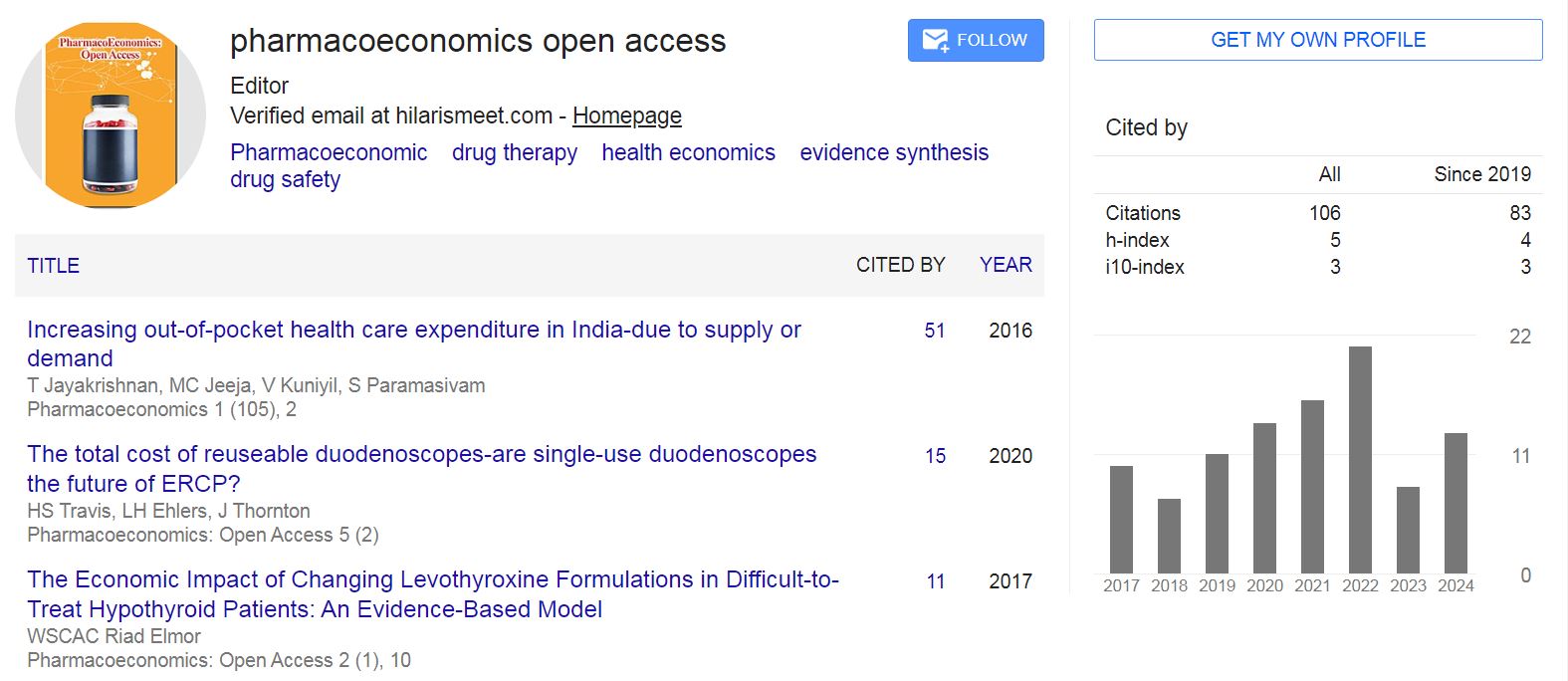
Pharmacoeconomics: Open Access received 106 citations as per Google Scholar report