Opinion - (2025) Volume 10, Issue 6
Received: 01-Nov-2025, Manuscript No. PE-26-179318;
Editor assigned: 03-Nov-2025, Pre QC No. P-179318;
Reviewed: 17-Nov-2025, QC No. Q-179318;
Revised: 24-Nov-2025, Manuscript No. R-179318;
Published:
29-Nov-2025
, DOI: 10.37421/2472-1042.2025.10.314
Citation: Loon, Peter Van. ”Metabolic Drug Therapy: Long-Term Healthcare Savings.” Pharmacoeconomics 10 (2025):314.
Copyright: © 2025 Loon V. Peter This is an open-access article distributed under the terms of the Creative Commons Attribution License, which permits unrestricted use, distribution and reproduction in any medium, provided the original author and source are credited.
The pharmacotherapy for metabolic disorders, encompassing conditions such as diabetes and dyslipidemia, presents a significant and intricate challenge in terms of cost-effectiveness. While the upfront acquisition costs for these essential medications can be considerable, their true economic value is most profoundly understood through the lens of complications averted and improvements in quality of life over extended periods. A comprehensive evaluation necessitates a lifecycle perspective, extending beyond immediate direct medical expenditures to encompass indirect costs, including those associated with diminished productivity. Extensive cost-effectiveness analyses have consistently demonstrated that sustained and effective management of chronic metabolic conditions through pharmacotherapy can yield substantial long-term financial benefits by proactively preventing the onset of debilitating and costly sequelae such as cardiovascular events and renal disease [1].
The economic assessment of statin therapy, particularly for the primary prevention of cardiovascular disease in individuals diagnosed with metabolic syndrome, holds critical importance in contemporary healthcare. Although statins have a well-established and proven efficacy in reducing the incidence of major cardiovascular events, their cost-effectiveness profile can exhibit variability, contingent upon nuanced factors such as individual patient risk stratification and the prevailing drug pricing structures. Nevertheless, a consistent finding across numerous studies indicates that long-term statin utilization is demonstrably highly cost-effective, especially within populations characterized by elevated cardiovascular risk, primarily by averting the significant financial burden associated with acute cardiac events and contributing to an overall enhancement in patient survival rates [2].
Glucagon-like peptide-1 receptor agonists (GLP-1 RAs) stand as a major therapeutic advancement in the management of both type 2 diabetes and obesity, offering a dual benefit of effective glycemic control alongside meaningful weight reduction. The comparatively higher acquisition cost of these agents, especially when contrasted with more traditional antidiabetic medications, underscores the imperative for rigorous and detailed cost-effectiveness evaluations. However, when considering their demonstrated potential to substantially reduce the risk of cardiovascular events, mitigate the progression of renal complications, and alleviate the overall burden imposed by obesity-related comorbidities, GLP-1 RAs exhibit a highly favorable long-term economic profile, particularly when viewed from the broader perspective of the entire healthcare system's impact [3].
Pharmacological interventions aimed at the management of hypertension represent a foundational strategy in the prevention of cerebrovascular accidents and heart failure, both of which are primary drivers of escalating healthcare expenditures. Despite the continuous and ongoing expense associated with antihypertensive medications, long-term adherence to these prescribed regimens is strongly correlated with significant and measurable reductions in the incidence of stroke, myocardial infarction, and the development of renal disease. This improved clinical trajectory translates directly into considerable cost savings for the healthcare system, highlighting the economic prudence of effective hypertension management [4].
The integration of newer pharmacotherapeutic options for the management of polycystic ovary syndrome (PCOS), such as metformin and various inositol supplements, necessitates careful and nuanced cost-effectiveness analyses. While these interventions possess the potential to effectively mitigate the development of long-term metabolic complications, notably insulin resistance and the eventual onset of type 2 diabetes, their economic benefits are intrinsically linked to patterns of sustained patient adherence and the successful prevention of associated health conditions. A thorough understanding of these dependencies is crucial for optimal resource allocation [5].
Sodium-glucose cotransporter-2 inhibitors (SGLT2is) have rapidly emerged as potent and highly effective agents in the therapeutic armamentarium for type 2 diabetes, exhibiting profound protective effects on both the cardiovascular and renal systems. The cost-effectiveness of this class of drugs is gaining increasing recognition, not solely for their ability to improve glycemic control but also for their demonstrated capacity to reduce hospitalizations related to heart failure and significantly slow the progression of diabetic kidney disease. These combined benefits contribute to substantial long-term savings within the healthcare economy [6].
The long-term economic implications associated with the treatment of dyslipidemia using a diverse range of pharmacological agents are inherently multifaceted. Although the direct costs associated with the continuous use of these medications are an ongoing consideration, the critical role they play in the prevention of atherosclerotic cardiovascular diseaseâ??a condition characterized by high prevalence and substantial treatment costsâ??firmly establishes the cost-effectiveness of sustained lipid-lowering therapy. The long-term benefits far outweigh the continuous medication expenditure [7].
The economic impact stemming from the management of metabolic syndrome frequently involves the implementation of polypharmacy, a strategy that holds the potential for synergistic benefits in the realm of disease prevention. Cost-effectiveness studies specifically designed to examine combination therapies are rigorously focused on identifying and delineating those treatment strategies that optimally balance therapeutic efficacy, patient adherence to complex regimens, and the overall trajectory of healthcare expenditure over extended periods. This approach aims to maximize value [8].
Pharmacotherapy for non-alcoholic fatty liver disease (NAFLD) represents a dynamic and evolving area of medical research with profound long-term implications for both overall metabolic health and the reduction of liver-related morbidity. While the specific acquisition costs of available drug therapies are indeed a relevant factor in economic evaluations, the overarching potential of these interventions to prevent disease progression to more severe stages, such as cirrhosis and hepatocellular carcinoma, alongside the management of associated metabolic derangements, strongly suggests a favorable long-term economic outlook for the implementation of effective pharmacologic strategies [9].
The escalating global prevalence of obesity presents a compelling need for the development and implementation of effective long-term management strategies, including the judicious use of pharmacotherapy. Although medications specifically designed to address obesity can carry significant costs, their demonstrated ability to significantly improve key metabolic parameters, substantially reduce the inherent risk of developing diabetes and cardiovascular disease, and enhance overall patient quality of life can ultimately lead to considerable long-term healthcare savings and a marked improvement in societal productivity. The economic case for effective obesity treatment is robust [10].
The pharmacotherapy employed in the long-term management of metabolic disorders, such as diabetes and dyslipidemia, presents a complex challenge when viewed through the lens of cost-effectiveness. While the initial procurement costs of these therapeutic agents can be substantial, the enduring economic advantages are predominantly realized through the significant reduction in the incidence of costly complications and the substantial improvement in the overall quality of life experienced by patients over time. A holistic evaluation demands a lifecycle perspective, encompassing not only direct medical expenditures but also indirect costs, such as those related to lost productivity due to illness. Rigorous cost-effectiveness analyses frequently underscore the economic rationale, demonstrating that consistent and effective management of chronic metabolic conditions via pharmacotherapy can lead to significant long-term financial savings by preventing the occurrence of severe sequelae like cardiovascular events, renal disease, and other expensive health complications [1].
The critical economic evaluation of statin therapy for the primary prevention of cardiovascular disease in individuals who have been diagnosed with metabolic syndrome is of paramount importance in clinical practice. Despite statins possessing a well-documented track record of efficacy in reducing cardiovascular events, their cost-effectiveness can fluctuate depending on the specific risk profiles of individual patients and the prevailing market prices of the drugs. Nevertheless, research consistently suggests that prolonged statin use is highly cost-effective, particularly within patient groups exhibiting higher cardiovascular risk, primarily due to its ability to avert the substantial costs associated with acute cardiac events and to enhance overall survival rates [2].
Glucagon-like peptide-1 receptor agonists (GLP-1 RAs) represent a significant advancement in the therapeutic landscape for managing type 2 diabetes and obesity, offering the dual advantages of improved glycemic control and effective weight loss. Their higher acquisition cost compared to older classes of antidiabetic agents necessitates a meticulous approach to cost-effectiveness assessment. However, the potential of GLP-1 RAs to reduce cardiovascular events, prevent renal complications, and alleviate the burden of obesity-related comorbidities suggests a favorable long-term economic profile, especially when the broader impact on the healthcare system is taken into account [3].
Pharmacological management of hypertension is a fundamental component in the prevention of stroke and heart failure, which are major contributors to escalating healthcare costs. While antihypertensive medications involve continuous expenditure, long-term adherence to these treatments is associated with substantial reductions in the incidence of stroke, myocardial infarction, and renal disease. These clinical benefits translate directly into significant cost savings for the healthcare system, underscoring the economic value of consistent blood pressure control [4].
The integration of newer pharmacotherapies for polycystic ovary syndrome (PCOS), including agents like metformin and inositol supplements, requires sophisticated cost-effectiveness evaluations. These interventions have the capacity to mitigate long-term metabolic complications such as insulin resistance and the development of diabetes. However, their economic benefits are contingent upon sustained patient adherence and the successful prevention of associated health conditions, making a comprehensive assessment crucial [5].
Sodium-glucose cotransporter-2 inhibitors (SGLT2is) have emerged as highly effective agents for the management of type 2 diabetes, demonstrating significant protective effects on both the cardiovascular and renal systems. Their cost-effectiveness is increasingly recognized because they not only improve glycemic control but also reduce hospitalizations for heart failure and slow the progression of diabetic kidney disease. These outcomes lead to considerable long-term savings in healthcare expenditures [6].
The long-term economic implications of treating dyslipidemia with various pharmacological agents are complex. While the direct costs of medications are ongoing, the crucial role of these treatments in preventing atherosclerotic cardiovascular disease, a prevalent and costly condition, highlights the cost-effectiveness of sustained lipid-lowering therapy. The clinical benefits and averted costs associated with preventing major cardiovascular events far outweigh the continuous medication expenses [7].
The economic impact of managing metabolic syndrome often involves the use of multiple medications, known as polypharmacy, which can lead to synergistic benefits in disease prevention. Cost-effectiveness studies focusing on combination therapies are designed to identify optimal treatment strategies that effectively balance efficacy, patient adherence, and overall healthcare expenditure across long time horizons. This approach seeks to maximize therapeutic and economic value [8].
Pharmacotherapy for non-alcoholic fatty liver disease (NAFLD) is an evolving field with significant long-term implications for metabolic health and the reduction of liver-related morbidity. Although the direct costs of specific drugs are a consideration, the potential of these interventions to prevent disease progression to more severe conditions like cirrhosis and hepatocellular carcinoma, along with managing associated metabolic disorders, suggests a favorable long-term economic outlook for effective pharmacologic treatments [9].
The increasing global prevalence of obesity necessitates the implementation of effective long-term management strategies, including pharmacotherapy. While medications used for obesity treatment can be expensive, their capacity to improve metabolic parameters, reduce the risk of diabetes and cardiovascular disease, and enhance quality of life can result in substantial long-term healthcare savings and improved societal productivity. The economic justification for treating obesity pharmacologically is increasingly evident [10].
Pharmacotherapy for metabolic disorders like diabetes, dyslipidemia, and hypertension offers long-term cost-effectiveness by preventing costly complications such as cardiovascular events and renal disease. Newer agents like GLP-1 RAs and SGLT2 inhibitors demonstrate significant benefits in glycemic control, cardiovascular and renal protection, and weight management, justifying their use despite higher acquisition costs. Statin therapy for primary prevention in metabolic syndrome is also highly cost-effective, particularly in high-risk individuals. While treatment costs are ongoing, the prevention of severe health outcomes and improved quality of life translate to substantial healthcare savings. Pharmacological management of obesity and NAFLD also shows promising long-term economic benefits by averting progression to more severe conditions and improving metabolic health. Comprehensive cost-effectiveness analyses considering a lifecycle perspective and broader healthcare system impact are crucial for optimizing treatment strategies.
None
None
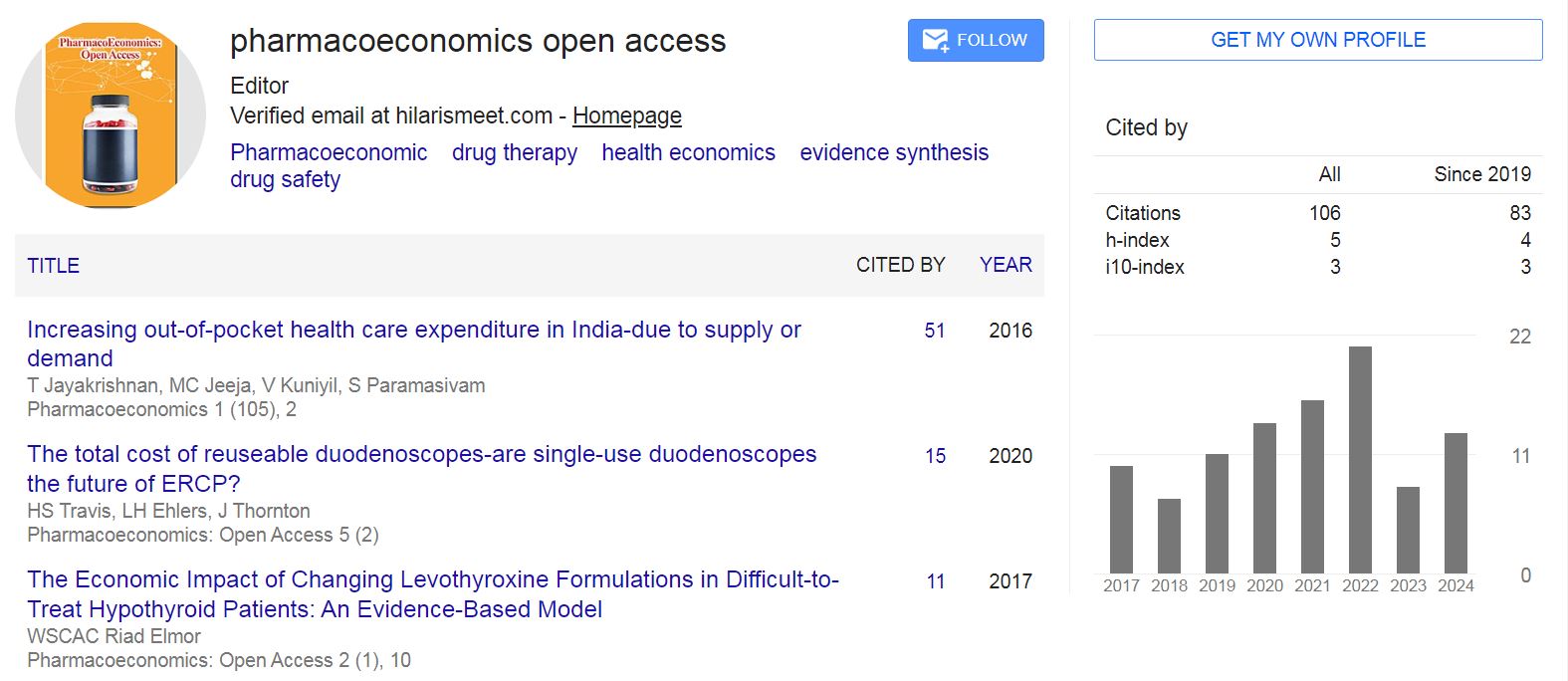
Pharmacoeconomics: Open Access received 106 citations as per Google Scholar report