Perspective - (2025) Volume 14, Issue 3
Received: 01-May-2025, Manuscript No. jio-26-184811;
Editor assigned: 05-May-2025, Pre QC No. P-184811;
Reviewed: 19-May-2025, QC No. Q-184811;
Revised: 22-May-2025, Manuscript No. R-184811;
Published:
29-May-2025
, DOI: DOI: 10.37421/2329-6771.2025.14.561
Citation: Brooks, Hannah. ”Meditation: Aiding Oncology Patients’ Emotional Well-being.” J Integr Onco 14 (2025):561.
Copyright: © 2025 Brooks H. This is an open-access article distributed under the terms of the Creative Commons Attribution License, which permits unrestricted use, distribution and reproduction in any medium, provided the original author and source are credited.
Meditation, particularly mindfulness-based interventions, demonstrates significant potential in mitigating anxiety and depressive symptoms experienced by oncology patients. These practices cultivate present-moment awareness, fostering a sense of calm and reducing rumination on negative thoughts related to diagnosis and treatment. Evidence suggests that regular meditation can improve emotional regulation, enhance coping mechanisms, and contribute to a better overall quality of life for individuals undergoing cancer treatment [1].
The integration of contemplative practices like meditation into cancer care offers a non-pharmacological approach to managing psychological distress. Specifically, the "mindfulness-based stress reduction" (MBSR) program has shown promise in reducing anxiety, depression, and fatigue among cancer survivors. Its emphasis on present-moment awareness helps patients detach from distressing thoughts and sensations, promoting acceptance and resilience [2].
For oncology patients, meditation can serve as a valuable tool for enhancing emotional well-being and coping with the challenges of cancer. Studies focusing on guided imagery and body scan meditations have indicated a reduction in reported stress and an improvement in mood. These techniques empower patients to actively participate in their own psychological care, fostering a sense of control amidst uncertainty [3].
Exploring the neurobiological underpinnings, meditation appears to modulate brain regions associated with emotional processing and stress response, which are often dysregulated in cancer patients experiencing anxiety and depression. Techniques that promote relaxation and attentional control can lead to reduced physiological markers of stress, such as cortisol levels, and an improved subjective sense of well-being [4].
For individuals navigating the complexities of a cancer diagnosis, meditation offers a path towards improved psychological resilience. By training attention and cultivating a non-judgmental awareness of thoughts and feelings, patients can learn to manage intrusive anxious thoughts and depressive moods more effectively. This can lead to a greater sense of peace and acceptance during their treatment journey [5].
The role of meditation in enhancing coping strategies for oncology patients is substantial. Practices that foster self-compassion and mindfulness can help individuals reframe their experiences with cancer, reducing the intensity of negative emotions. This not only alleviates immediate symptoms of anxiety and depression but also contributes to long-term psychological adjustment [6].
Mindfulness-based interventions, a form of meditation, are increasingly recognized for their efficacy in managing the psychological sequelae of cancer. By promoting acceptance and reducing avoidance behaviors, these practices help oncology patients to better navigate the emotional challenges of their illness, leading to a reduction in symptoms of anxiety and depression and an improvement in quality of life [7].
The application of meditation techniques can significantly influence the subjective experience of pain and distress in oncology patients. Cultivating a mindful awareness of bodily sensations and thoughts, without judgment, allows individuals to develop a healthier relationship with their experiences, thereby reducing the impact of anxiety and depressive symptoms on their overall well-being [8].
For oncology patients struggling with the emotional burden of their illness, meditation provides accessible tools for self-management. Specifically, the practice of focused attention and open monitoring meditation can help to interrupt cycles of worry and rumination that fuel anxiety and depression, fostering a greater sense of internal peace and emotional stability [9].
The psycho-oncological benefits of meditation are multifaceted, extending beyond symptom reduction to encompass an improved sense of self-efficacy and empowerment for cancer patients. By engaging in regular meditative practices, individuals can cultivate greater awareness of their internal states, leading to more adaptive responses to the stressors associated with cancer and its treatment, thereby ameliorating anxiety and depression [10].
Meditation, particularly through mindfulness-based interventions, has shown considerable promise in alleviating the anxiety and depressive symptoms frequently experienced by oncology patients. These techniques cultivate an awareness of the present moment, thereby fostering a sense of tranquility and diminishing the tendency to ruminate on negative thoughts associated with a cancer diagnosis and its treatment. Research indicates that consistent meditation practice can enhance emotional regulation, bolster coping mechanisms, and ultimately improve the quality of life for individuals undergoing cancer therapy [1].
Integrating contemplative practices such as meditation into cancer care provides a non-pharmacological avenue for managing psychological distress. The "mindfulness-based stress reduction" (MBSR) program, in particular, has demonstrated effectiveness in reducing anxiety, depression, and fatigue among cancer survivors. This program's focus on present-moment awareness assists patients in disengaging from distressing thoughts and sensations, thereby promoting resilience and acceptance [2].
For individuals with cancer, meditation serves as a vital instrument for enhancing emotional well-being and navigating the complex challenges of the disease. Investigations into guided imagery and body scan meditations have reported significant reductions in perceived stress and improvements in mood. These practices empower patients to take an active role in their psychological care, instilling a sense of agency amidst the uncertainties of their illness [3].
From a neurobiological perspective, meditation appears to influence brain regions critical for emotional processing and stress response, areas often dysregulated in cancer patients suffering from anxiety and depression. Methods that promote relaxation and enhance attentional control can lead to a decrease in physiological stress indicators, such as cortisol levels, and a subjective increase in overall well-being [4].
Navigating the complexities of a cancer diagnosis can be significantly supported by meditation, which offers a pathway to enhanced psychological resilience. By training attention and fostering a non-judgmental observation of thoughts and feelings, patients can more effectively manage intrusive anxious thoughts and depressive moods, leading to a greater sense of peace and acceptance throughout their treatment journey [5].
The contribution of meditation to bolstering coping strategies for oncology patients is substantial. Practices designed to cultivate self-compassion and mindfulness enable individuals to reframe their cancer experiences, thereby mitigating the intensity of negative emotions. This approach not only provides relief from immediate symptoms of anxiety and depression but also supports long-term psychological adaptation [6].
Mindfulness-based interventions, a category of meditation, are increasingly recognized for their effectiveness in addressing the psychological consequences of cancer. By encouraging acceptance and reducing avoidance behaviors, these practices equip oncology patients with better tools to manage the emotional difficulties of their illness, resulting in reduced anxiety and depression and an improved quality of life [7].
The utilization of meditation techniques can profoundly impact the subjective experience of pain and distress in oncology patients. Developing a mindful awareness of bodily sensations and thoughts, characterized by a non-judgmental stance, allows individuals to foster a healthier relationship with their experiences, consequently diminishing the detrimental effects of anxiety and depressive symptoms on their overall well-being [8].
For oncology patients grappling with the emotional burden of their disease, meditation offers accessible self-management strategies. Specifically, practicing focused attention and open monitoring meditation can disrupt the cyclical patterns of worry and rumination that exacerbate anxiety and depression, promoting a more profound sense of inner peace and emotional stability [9].
The psychological benefits of meditation in oncology are diverse, extending beyond symptom alleviation to fostering a greater sense of self-efficacy and empowerment among cancer patients. Regular engagement in meditative practices enhances an individual's awareness of their internal states, facilitating more adaptive responses to the stressors of cancer and its treatment, thereby effectively ameliorating anxiety and depression [10].
Meditation, particularly mindfulness-based interventions, offers significant benefits for oncology patients by mitigating anxiety and depressive symptoms. Practices like mindfulness-based stress reduction enhance emotional regulation, coping mechanisms, and psychological resilience. These techniques help patients manage distress, reframe experiences, and improve overall quality of life. Meditation also influences neurobiological pathways related to stress response and emotional processing. It empowers patients with self-management tools, reduces rumination, and fosters a sense of self-efficacy. Ultimately, meditation provides a non-pharmacological approach to improving psychological well-being during cancer treatment.
None
None
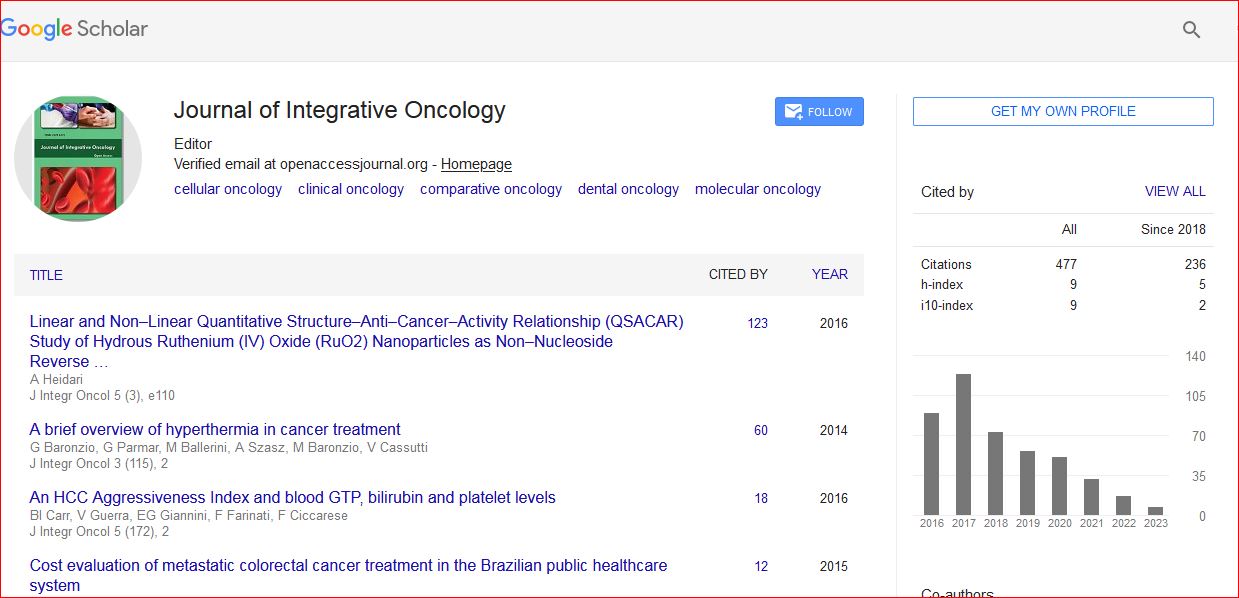
Journal of Integrative Oncology received 495 citations as per Google Scholar report