Perspective - (2025) Volume 10, Issue 4
Received: 01-Jul-2025, Manuscript No. PE-26-179294;
Editor assigned: 03-Jul-2025, Pre QC No. P-179294;
Reviewed: 17-Jul-2025, QC No. Q-179294;
Revised: 22-Jul-2025, Manuscript No. R-179294;
Published:
29-Jul-2025
, DOI: 10.37421/2472-1042.2025.10.296
Citation: Dubois, Claire. ”Long-Acting Injectables: Revolutionizing Diverse Medical Treatments.” Pharmacoeconomics 10 (2025):296.
Copyright: © 2025 Dubois C. This is an open-access article distributed under the terms of the Creative Commons Attribution License, which permits unrestricted use, distribution and reproduction in any medium, provided the original author and source are credited.
The growing landscape of long-acting injectable (LAI) medications has ushered in a new era of therapeutic management across a spectrum of chronic and acute conditions. These formulations offer a paradigm shift from traditional daily oral regimens, promising enhanced patient adherence and potentially more consistent disease control. Their application spans critical areas of healthcare, including mental health, infectious diseases, and chronic illness management, underscoring their versatility and increasing importance. The economic implications of adopting LAI therapies are a significant area of ongoing research and discussion, with many studies exploring their cost-effectiveness and overall value proposition. In the realm of mental health, specifically for conditions like schizophrenia, LAIs have demonstrated a marked ability to improve patient outcomes. By ensuring consistent medication delivery, these injectables can significantly reduce relapse rates, which in turn can lead to fewer hospitalizations and emergency room visits. This improved adherence and reduced symptom exacerbation often translate into substantial healthcare savings, a key aspect explored in detailed pharmacoeconomic analyses [1].
The integration of LAIs into the treatment of human immunodeficiency virus (HIV) infection represents another vital area where adherence challenges can be effectively addressed. While the initial costs of LAI formulations might appear higher than their oral counterparts, a comprehensive cost-utility analysis often reveals long-term economic advantages. These benefits stem from factors such as reduced pill burden, fewer treatment interruptions, and a potential decrease in viral transmission rates, contributing to a favorable economic profile [2].
Further investigations into the economic value of LAIs in mental health, particularly for schizophrenia, have adopted a patient-centric approach. These studies aim to quantify the broader economic burden associated with chronic mental illness, including lost productivity and the costs incurred by caregivers. By enhancing the quality of life for patients and reducing societal costs, LAI antipsychotics are increasingly recognized as offering good value for money [3].
The broader utility of LAI formulations extends beyond specific disease categories to encompass a variety of chronic conditions requiring long-term management. A systematic review of existing evidence highlights that improvements in medication adherence, a common challenge in managing conditions like diabetes or chronic pain, can lead to better clinical outcomes and a significant reduction in costly acute exacerbations or complications. This underscores the importance of a holistic approach to pharmacoeconomic evaluations that considers the full spectrum of patient benefits and healthcare resource utilization [4].
In the critical fight against opioid use disorder (OUD), LAI therapies are emerging as a powerful tool with demonstrable economic advantages. By maintaining consistent therapeutic drug levels and reducing reliance on illicit opioids, LAIs can lead to a decrease in the frequency of overdoses, hospital admissions, and involvement with the criminal justice system. From a cost-utility perspective, these outcomes translate into substantial societal savings and improved patient functioning and well-being [5].
Within the spectrum of mental health disorders, LAIs are also showing promise in the management of bipolar disorder. The ability of these injectables to prevent manic or depressive episodes can significantly reduce the need for acute psychiatric interventions, emergency care, and associated productivity losses. Economic models supporting this application often indicate a positive incremental cost-effectiveness ratio, highlighting their economic viability [6].
The pharmacoeconomic benefits of LAIs are not confined to mental health or infectious diseases but also extend to the management of chronic autoimmune disorders. Improved adherence facilitated by LAI therapies often leads to better disease control, fewer inflammatory flares, and a reduced need for more expensive biologic therapies or hospitalizations. These long-term savings, coupled with enhanced patient well-being, make LAIs an attractive option in this therapeutic area [7].
The application of LAIs in respiratory medicine, specifically for severe asthma, is another area where cost-effectiveness is being rigorously evaluated. These formulations can lead to sustained bronchodilation and reduced inflammation, thereby decreasing the frequency of emergency visits and hospitalizations. Consequently, LAIs present a favorable cost-utility profile for patients who experience difficulty managing their condition with traditional therapies [8].
Finally, the economic implications of LAI formulations are being explored even within the complex field of oncology, particularly for palliative care or maintenance therapy. By enhancing patient comfort, reducing symptom burden, and potentially decreasing the frequency of clinic visits, LAIs can contribute to significant cost savings and an improved quality of life for patients facing advanced cancers. This broad applicability underscores the evolving role of LAIs in modern healthcare [9].
The current healthcare landscape is increasingly witnessing the transformative potential of long-acting injectable (LAI) medications, offering a novel approach to managing various chronic and acute health conditions. These advanced formulations move beyond the traditional daily oral medication regimen, presenting distinct advantages in terms of patient adherence and the potential for sustained therapeutic efficacy. Their impact is being felt across diverse medical disciplines, including mental health services, the treatment of infectious diseases, and the broad management of chronic illnesses, underscoring their expanding significance and adaptability. A major focus of contemporary research and clinical discourse revolves around the economic ramifications of adopting LAI therapies, with numerous studies diligently investigating their cost-effectiveness and overall value in healthcare delivery. The evidence gathered from these investigations is crucial for informed decision-making regarding treatment pathways and resource allocation. Within the intricate domain of mental health, particularly in the management of schizophrenia, LAIs have consistently demonstrated a remarkable capacity to enhance patient outcomes. Their mechanism of ensuring consistent medication delivery directly addresses a common challenge, leading to a significant reduction in the incidence of relapses. This enhanced adherence and consequent decrease in symptom exacerbations translate directly into fewer hospitalizations and emergency room interventions. Such improvements in patient care pathways often yield substantial savings in healthcare expenditures, a critical factor rigorously examined in detailed pharmacoeconomic analyses [1].
The strategic integration of LAI therapies into the established treatment protocols for human immunodeficiency virus (HIV) infection marks another crucial stride in overcoming adherence barriers. While the upfront financial investment in LAI formulations may appear higher when compared with conventional oral medications, a thorough cost-utility analysis frequently reveals substantial long-term economic benefits. These advantages are primarily attributed to factors such as the reduction in the daily pill burden, the minimization of treatment interruptions, and a potential decrease in the rate of viral transmission, all of which contribute to a more favorable economic profile for the treatment regimen [2].
Further in-depth research delving into the economic value proposition of LAIs within the context of mental health, specifically for schizophrenia management, has increasingly adopted a patient-centric perspective. These studies meticulously quantify the pervasive economic burden associated with chronic mental illness, encompassing aspects such as diminished workforce productivity and the considerable costs borne by informal caregivers. By concurrently improving the quality of life experienced by patients and mitigating broader societal costs, LAI antipsychotics are progressively being recognized as offering exceptional value for the investment made [3].
The widespread utility of LAI formulations is not limited to a narrow set of specific disease categories but rather extends effectively to a diverse array of chronic conditions that necessitate long-term therapeutic management. A comprehensive systematic review consolidating existing scholarly evidence unequivocally highlights that significant improvements in medication adherenceâ??a persistent challenge in managing conditions such as diabetes or chronic painâ??can precipitate better clinical outcomes and a marked reduction in the incidence of costly acute exacerbations or severe complications. This observation critically underscores the imperative for employing a holistic methodology in pharmacoeconomic evaluations, one that comprehensively considers the entire spectrum of patient benefits alongside healthcare resource utilization patterns [4].
In the critical and ongoing effort to combat opioid use disorder (OUD), LAI therapies are rapidly emerging as a highly effective therapeutic intervention with clearly demonstrable economic advantages. Through their inherent ability to maintain consistent and stable therapeutic drug levels within the body and to effectively reduce the illicit use of opioids, LAIs contribute to a notable decrease in the frequency of potentially fatal overdoses, the incidence of hospital admissions, and the prevalence of involvement with the criminal justice system. When viewed from a cost-utility perspective, these positive outcomes collectively translate into significant societal savings and a marked improvement in overall patient functioning and quality of life [5].
Within the broad spectrum of mental health disorders, LAIs are also showing considerable promise and therapeutic efficacy in the effective management of bipolar disorder. The inherent capability of these injectable formulations to actively prevent the onset of both manic and depressive episodes can substantially diminish the requirement for acute psychiatric interventions, reduce reliance on emergency care services, and mitigate associated losses in economic productivity. Economic models that support the application of LAIs in this context frequently indicate a favorable incremental cost-effectiveness ratio, thereby affirming their economic viability and justification as a treatment option [6].
The recognized pharmacoeconomic benefits associated with the use of LAIs are not exclusively confined to the domains of mental health or infectious diseases; rather, their advantages extend significantly to the comprehensive management of various chronic autoimmune disorders. The enhanced adherence facilitated by the administration of LAI therapies invariably leads to superior disease control, a reduction in the frequency and severity of inflammatory flares, and a decreased necessity for recourse to more expensive biologic treatments or inpatient hospitalizations. These realized long-term cost savings, in conjunction with demonstrable improvements in overall patient well-being, position LAIs as a highly attractive and beneficial therapeutic option within this challenging medical field [7].
The practical application and economic impact of LAIs in the specialized field of respiratory medicine, particularly in the context of managing severe asthma, are currently undergoing rigorous evaluation. These innovative formulations are capable of providing sustained bronchodilation and effectively reducing underlying inflammation, which collectively contributes to a significant decrease in the incidence of emergency room visits and hospitalizations. Consequently, LAIs are emerging as a treatment modality that presents a favorable cost-utility profile for individuals diagnosed with severe asthma that proves difficult to manage with conventional therapeutic approaches [8].
Finally, the multifaceted economic implications stemming from the utilization of LAI formulations are also being meticulously examined within the complex and often challenging field of oncology, with a specific focus on their role in palliative care or as maintenance therapy. This comprehensive article posits that the improvements in patient comfort, the effective reduction of symptom burden, and the potential decrease in the frequency of necessary clinic visits associated with LAI administration can collectively translate into substantial cost reductions and a notable enhancement in the overall quality of life for patients grappling with advanced stages of cancer. This broad spectrum of applicability unequivocally underscores the evolving and increasingly vital role of LAIs in contemporary healthcare practices [9].
Long-acting injectable (LAI) medications are revolutionizing treatment across various conditions like mental health disorders, infectious diseases (including HIV), chronic pain, autoimmune disorders, and severe asthma. Studies consistently show that LAIs improve patient adherence, reduce relapse rates, and decrease hospitalizations and emergency visits. Despite potentially higher initial costs, LAIs offer significant long-term economic benefits through better disease management, reduced healthcare resource utilization, and improved patient quality of life. They are proving to be a cost-effective and valuable therapeutic option across diverse medical fields, from mental health and OUD to oncology and IBD, underscoring their growing importance in healthcare.
None
None
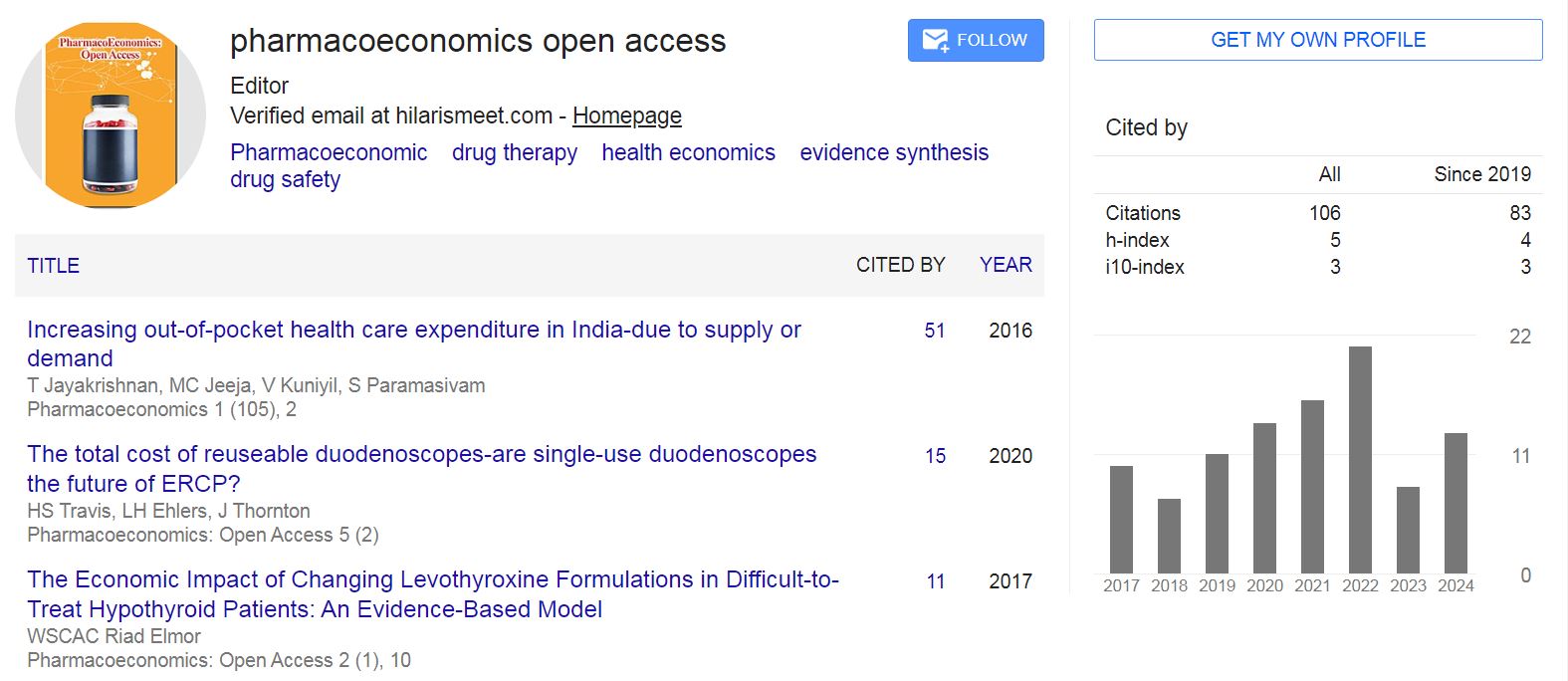
Pharmacoeconomics: Open Access received 106 citations as per Google Scholar report