Perspective - (2025) Volume 14, Issue 6
Received: 31-Oct-2025, Manuscript No. jio-26-184838;
Editor assigned: 03-Nov-2025, Pre QC No. P-184838;
Reviewed: 17-Nov-2025, QC No. Q-184838;
Revised: 22-Nov-2025, Manuscript No. R-184838;
Published:
28-Nov-2025
, DOI: 10.37421/2329-6771.2025.14.587
Citation: Musa, Zainab. ”Integrative Care: Enhancing Cancer Patient Outcomes and Well-being.” J Integr Onco 14 (2025):587.
Copyright: © 2025 Musa Z. This is an open-access article distributed under the terms of the Creative Commons Attribution License, which permits unrestricted use, distribution and reproduction in any medium, provided the original author and source are credited.
The landscape of cancer care has been significantly evolving, with a growing emphasis on supportive and palliative measures to enhance patient well-being during and after treatment. Traditional oncological paradigms have primarily focused on the direct eradication of cancer cells, but increasingly, the importance of addressing the holistic needs of patients is being recognized. This shift necessitates the exploration and integration of diverse therapeutic modalities that can complement standard medical interventions, thereby offering a more comprehensive approach to cancer management. The following provides an overview of several such studies that investigate the efficacy of various integrative and supportive care strategies. A systematic review has meticulously examined the comparative effectiveness of integrative versus conventional supportive care for cancer patients. This comprehensive analysis revealed that integrative approaches, which judiciously combine standard medical treatments with complementary therapies such as acupuncture, mindfulness, and tailored nutrition, can yield substantial improvements in crucial patient outcomes. Specifically, these integrative strategies have demonstrated significant enhancements in the overall quality of life experienced by patients, alongside more effective management of debilitating symptoms like pain, persistent fatigue, and troublesome nausea. Furthermore, emotional well-being has been notably bolstered, indicating that integrative supportive care fosters a more holistic patient experience that attentively addresses physical, psychological, and even spiritual needs. Further investigation into specific complementary therapies has yielded promising results, particularly concerning the management of treatment-related side effects. One study focused on the impact of acupuncture as an adjunct to chemotherapy, observing that patients who received acupuncture experienced a reduced incidence and severity of key chemotherapy-induced toxicities. These included chemotherapy-induced peripheral neuropathy, a condition characterized by nerve damage leading to pain, tingling, and numbness, and persistent nausea, a common and distressing side effect of many chemotherapy regimens. The research highlighted that conventional supportive care alone showed less significant benefits in mitigating these specific side effects, thereby underscoring a potential advantage for integrative strategies in alleviating treatment-related toxicities. Psychological distress is a significant concern for individuals diagnosed with cancer, and interventions aimed at improving mental health are paramount. A meta-analysis was conducted to compare the effectiveness of mindfulness-based interventions against standard care in ameliorating psychological distress among cancer patients. The findings from this extensive review indicated a strong association between mindfulness practices and significant reductions in both anxiety and depression. These practices demonstrated superior performance compared to conventional supportive care in fostering mental resilience and equipping patients with more effective coping mechanisms to navigate the emotional challenges of their illness. The critical role of nutritional support in optimizing treatment outcomes for cancer patients has also been a subject of dedicated research. One study specifically explored the impact of personalized nutritional intervention on the nutritional status and immune function of patients undergoing cancer treatment. This research provided compelling evidence that personalized nutritional counseling, coupled with appropriate supplementation as an integral part of an integrative approach, led to a better maintenance of body weight and improved immune function. These positive outcomes were observed in comparison to patients who received only standard dietary advice within the conventional care group, emphasizing the importance of targeted nutrition. Fatigue and sleep disturbances are pervasive issues that can significantly diminish the quality of life for cancer survivors. A comparative study was undertaken to evaluate the effectiveness of yoga therapy in managing these debilitating symptoms in breast cancer survivors. The results were encouraging, with patients participating in the yoga group reporting significantly lower levels of fatigue and experiencing improved sleep quality. These benefits were notable when compared to individuals who received conventional supportive care, suggesting that yoga therapy can be a valuable and beneficial component of integrative oncology care. Pain and mood disturbances are common challenges for individuals living with advanced cancer, and the exploration of therapies that can alleviate these symptoms is crucial. A randomized controlled trial was conducted to investigate the integration of massage therapy into supportive care for patients with advanced cancer. The findings from this rigorous study indicated that regular massage therapy sessions led to a significant reduction in reported pain intensity. Moreover, it contributed to an improvement in mood states, thereby offering a complementary benefit to established conventional pain management strategies. Anxiety and depression are frequent comorbidities in oncology patients, and interventions that can effectively address these psychological challenges are highly sought after. One research endeavor specifically assessed the efficacy of music therapy in alleviating anxiety and depression among oncology outpatients. The study found that patients who actively received music therapy reported greater reductions in their anxiety and depression scores when compared to those who received only standard care. This suggests that music therapy holds considerable promise as an integrative supportive intervention that can enhance the psychological well-being of cancer patients. The impact of aromatherapy on managing common treatment-related side effects, such as chemotherapy-induced nausea and vomiting (CINV), has also been a focus of research. A randomized controlled trial specifically investigated the comparative benefits of aromatherapy alongside conventional care for managing CINV. The study concluded that aromatherapy, particularly when utilizing essential oils like lavender and peppermint, was effective in reducing the intensity of nausea. This contributed to an overall improvement in patient comfort during chemotherapy treatment, offering a pleasant and potentially effective complementary option. Fatigue remains a persistent and often debilitating symptom for many cancer patients, significantly impacting their daily lives and treatment adherence. A systematic review and meta-analysis were conducted to comprehensively examine the effectiveness of exercise interventions in improving cancer-related fatigue and overall quality of life. The collective analysis consistently confirmed that exercise, when implemented as an integral part of an integrative approach to care, demonstrates positive effects in reducing cancer-related fatigue and enhancing overall well-being. In many instances, these benefits were observed to surpass those achieved with standard palliative care alone, highlighting exercise as a potent therapeutic modality. The journey through cancer treatment is often fraught with physical and emotional challenges, necessitating a multifaceted approach to care that extends beyond conventional medical interventions. Integrative oncology seeks to bridge this gap by incorporating a range of complementary therapies designed to support patients holistically. These therapies, when used in conjunction with standard treatments, aim to alleviate symptoms, improve quality of life, and enhance the overall patient experience. This evolving field recognizes that addressing the diverse needs of cancer patients requires a coordinated effort that leverages the strengths of both conventional and complementary medicine. The following studies delve into specific aspects of this integrative approach, providing evidence-based insights into its efficacy and potential applications. Integrative supportive care represents a paradigm shift in how we approach the management of cancer, moving towards a more patient-centered and holistic model. This approach acknowledges that cancer affects individuals on multiple levelsâ??physically, emotionally, psychologically, and spirituallyâ??and thus requires interventions that address this complexity. By combining the proven efficacy of conventional treatments with the supportive benefits of complementary therapies, integrative care aims to optimize the patient's journey through treatment and recovery. The studies presented here offer a glimpse into the diverse modalities being explored within this framework, each contributing to a richer and more supportive cancer care experience. The ultimate goal is to empower patients with a comprehensive set of tools to navigate their illness with greater comfort, resilience, and improved outcomes. The synergistic potential of combining conventional medical treatments with complementary therapies is a cornerstone of modern supportive cancer care. This integrated strategy acknowledges the limitations of solely relying on one modality and instead harnesses the collective benefits of multiple approaches. Each therapy, from acupuncture to yoga, plays a distinct role in addressing specific patient needs, whether it be symptom management, psychological distress reduction, or the enhancement of overall well-being. The evidence gathered from these diverse studies underscores the growing recognition of integrative oncology as a vital component of comprehensive cancer care, promising a more humane and effective approach for patients. The profound impact of cancer on an individual's life extends far beyond the physical manifestations of the disease. Emotional and psychological well-being are equally critical aspects of the healing process, and integrative therapies offer valuable avenues for support. Modalities such as mindfulness, music therapy, and guided imagery directly target the mind-body connection, helping patients to cope with stress, anxiety, and depression. By incorporating these interventions into the care plan, healthcare providers can foster a more resilient and empowered patient, capable of navigating the complexities of their illness with greater fortitude. Nutritional status and physical well-being are fundamental pillars of recovery and resilience in cancer patients. Personalized nutritional support and targeted exercise programs are not merely ancillary services but active therapeutic interventions that can significantly influence treatment outcomes. By optimizing the body's ability to withstand the rigors of treatment and supporting its natural healing processes, these integrative components play a crucial role in maintaining energy levels, bolstering immune function, and improving overall physical capacity. Their inclusion represents a proactive approach to enhancing patient health and facilitating a smoother recovery. Pain and symptom management remain central to improving the quality of life for cancer patients. While conventional medicine offers robust options for pain control, complementary therapies can provide valuable adjuncts, offering relief through different mechanisms. Massage therapy, aromatherapy, and yoga, for instance, have demonstrated efficacy in reducing the intensity of pain, nausea, and fatigue, respectively. Their integration into care plans allows for a more personalized and multifaceted approach to symptom management, ensuring that patients receive comprehensive relief and improved comfort throughout their treatment journey. The evidence base supporting the benefits of integrative oncology continues to expand, driven by rigorous research into various complementary modalities. Each study presented here adds a unique piece to the puzzle, demonstrating how therapies like acupuncture, mindfulness, yoga, and nutritional support can significantly enhance patient care. As our understanding deepens, the integration of these practices into routine cancer care is becoming increasingly recognized as essential for providing truly holistic and patient-centered support. This collaborative approach promises to redefine the standard of care, ensuring that patients receive not only the best possible medical treatment but also the comprehensive support they need to thrive. Exploring the effectiveness of specific complementary therapies offers a detailed look at how integrative oncology can be implemented. Whether it's the targeted relief provided by acupuncture for neuropathy [2], the psychological solace offered by mindfulness [3], or the physical rejuvenation through exercise [9], each modality contributes to a broader spectrum of patient care. This layered approach ensures that a wide range of patient needs are met, from the alleviation of physical discomfort to the enhancement of mental and emotional resilience, ultimately fostering a more positive and effective treatment experience. The systematic review comparing integrative and conventional supportive care provides a high-level overview, establishing the overarching benefits of combining different therapeutic strategies [1].
This foundational understanding is then elaborated upon by individual studies that investigate the impact of specific interventions. For instance, the research on nutritional support [4] and exercise [9] highlights the importance of optimizing the body's physiological functions, while studies on mindfulness [3] and music therapy [7] focus on psychological and emotional well-being. Together, these investigations paint a comprehensive picture of how integrative care can profoundly improve the lives of cancer patients. When considering the management of treatment-induced side effects, the evidence is particularly compelling. Studies focusing on acupuncture for chemotherapy-induced peripheral neuropathy and nausea [2], aromatherapy for similar symptoms [8], and yoga for fatigue and sleep disturbances in survivors [5] demonstrate specific, targeted benefits. These findings suggest that complementary therapies can offer effective solutions for common and often challenging side effects, providing much-needed relief and improving patient tolerance for ongoing treatments. This targeted efficacy is a key advantage of an integrative approach. The integration of complementary therapies into cancer care is not merely about adding more options but about creating a cohesive and supportive environment that addresses the whole person. From managing physical symptoms like pain [6] and nausea [8] to alleviating psychological distress [3, 7], these therapies work in concert with conventional treatments. This holistic strategy aims to enhance not only survival rates but also the quality of life during and after treatment, empowering patients to face their illness with greater strength and well-being. The collective evidence strongly supports this integrated model of care. This body of research collectively underscores the significant advantages of an integrative approach to cancer supportive care over conventional methods alone. Studies consistently show that combining standard treatments with complementary therapies like acupuncture, mindfulness, nutrition, yoga, massage, music, aromatherapy, exercise, and guided imagery leads to improved quality of life, better symptom management, and enhanced emotional well-being for patients. The evidence highlights the multi-faceted nature of cancer's impact and the necessity of a holistic approach to care. Integrative oncology offers a promising path forward, focusing on the patient's overall health and resilience throughout their cancer journey. The consistent findings across various studies suggest that these complementary modalities are not merely supplementary but essential components of comprehensive cancer care, leading to more positive patient outcomes and a more supportive healing environment.
The comparative effectiveness of integrative versus conventional supportive care in cancer patients has been a subject of extensive research, with a systematic review revealing that integrative approaches, which merge conventional treatments with complementary therapies such as acupuncture, mindfulness, and nutrition, can lead to substantial improvements. These improvements are observed in the quality of life, the management of symptoms like pain, fatigue, and nausea, and overall emotional well-being, suggesting a more holistic patient experience that addresses physical, psychological, and spiritual needs [1].
Delving deeper into specific complementary modalities, research has examined the impact of acupuncture as an adjunct to chemotherapy. This study found that patients receiving acupuncture experienced a reduction in the incidence and severity of chemotherapy-induced peripheral neuropathy and nausea. The findings indicated that conventional supportive care alone was less effective in managing these specific side effects, highlighting a potential advantage for integrative strategies in mitigating treatment-related toxicities [2].
Psychological distress is a significant concern for cancer patients, and a meta-analysis comparing mindfulness-based interventions with standard care demonstrated their effectiveness in improving mental health. The results indicated that mindfulness practices were associated with significant reductions in anxiety and depression, outperforming conventional supportive care in promoting mental resilience and coping mechanisms [3].
The role of nutritional support in enhancing treatment outcomes for cancer patients has also been explored. A study demonstrated that personalized nutritional counseling and supplementation, as part of an integrative approach, led to better maintenance of body weight and improved immune function compared to standard dietary advice in the conventional care group [4].
In the realm of survivorship, a comparative study evaluated the effectiveness of yoga therapy in managing fatigue and improving sleep quality in breast cancer survivors. Patients in the yoga group reported significantly lower levels of fatigue and better sleep quality than those receiving conventional supportive care, suggesting yoga as a beneficial component of integrative oncology [5].
The integration of massage therapy into supportive care for patients with advanced cancer has shown promising results. Findings indicate that regular massage therapy significantly reduced pain intensity and improved mood states, offering a complementary benefit to conventional pain management strategies [6].
The efficacy of music therapy in alleviating anxiety and depression in oncology outpatients has also been assessed. Patients who received music therapy reported greater reductions in anxiety and depression scores compared to those receiving standard care, suggesting its value as an integrative supportive intervention [7].
Aromatherapy has been investigated for its comparative benefits alongside conventional care in managing chemotherapy-induced nausea and vomiting. This study found that aromatherapy, particularly lavender and peppermint essential oils, helped reduce the intensity of nausea more effectively than placebo, contributing to improved patient comfort [8].
Exercise interventions have been systematically reviewed and meta-analyzed for their effectiveness in improving fatigue and quality of life for cancer patients. The analysis confirmed that exercise, as part of an integrative approach, consistently shows positive effects on reducing cancer-related fatigue and enhancing overall well-being, often surpassing the benefits of standard palliative care [9].
Finally, the impact of guided imagery on pain perception and anxiety in patients undergoing radiation therapy was explored. Results showed that guided imagery, when used adjunctively with conventional care, led to a statistically significant reduction in reported pain and anxiety levels compared to patients receiving only standard supportive care [10].
These studies collectively illustrate the diverse applications and significant benefits of integrative supportive care in oncology. By incorporating therapies such as acupuncture [2], mindfulness [3], nutritional interventions [4], yoga [5], massage therapy [6], music therapy [7], aromatherapy [8], exercise [9], and guided imagery [10], alongside conventional medical treatments [1], patients experience improved symptom management, enhanced psychological well-being, and a better overall quality of life throughout their cancer journey. The evidence consistently points towards a more holistic and patient-centered approach that leverages the strengths of both conventional and complementary modalities for optimal outcomes. The comparative analysis of integrative versus conventional supportive care provides a broad framework, indicating superior outcomes in quality of life and symptom management with integrative approaches [1].
Building upon this, individual studies explore specific modalities like acupuncture for nausea and neuropathy [2], mindfulness for psychological distress [3], and personalized nutrition for maintaining physical health [4].
These findings collectively emphasize that addressing the multifaceted needs of cancer patients requires a synergistic combination of therapies. Furthermore, research into the benefits of yoga for survivors [5], massage therapy for pain and mood [6], and music therapy for anxiety and depression [7] highlights the significant impact of these interventions on patient comfort and emotional resilience. Complementary therapies also show promise in managing specific treatment side effects, as seen with aromatherapy for nausea and vomiting [8] and guided imagery for pain and anxiety during radiation therapy [10].
The consistent theme across these studies is the additive value of integrative strategies. Finally, the meta-analysis on exercise interventions confirms its broad efficacy in combating cancer-related fatigue and improving overall well-being [9].
Collectively, these diverse research findings underscore the critical importance of adopting an integrative model of care. This model not only aims to treat the disease but also to nurture the patientâ??s holistic health, thereby optimizing their experience and outcomes throughout the cancer continuum. The evidence strongly supports the expansion and integration of these complementary therapies into standard oncological practice.
Integrative supportive care, combining conventional treatments with complementary therapies like acupuncture, mindfulness, nutrition, yoga, massage, music, aromatherapy, exercise, and guided imagery, significantly improves quality of life, symptom management, and emotional well-being in cancer patients compared to conventional care alone. Studies show benefits in reducing pain, fatigue, nausea, anxiety, and depression, while improving nutritional status and immune function. These integrated approaches offer a more holistic patient experience, addressing physical, psychological, and spiritual needs and leading to better overall outcomes.
None
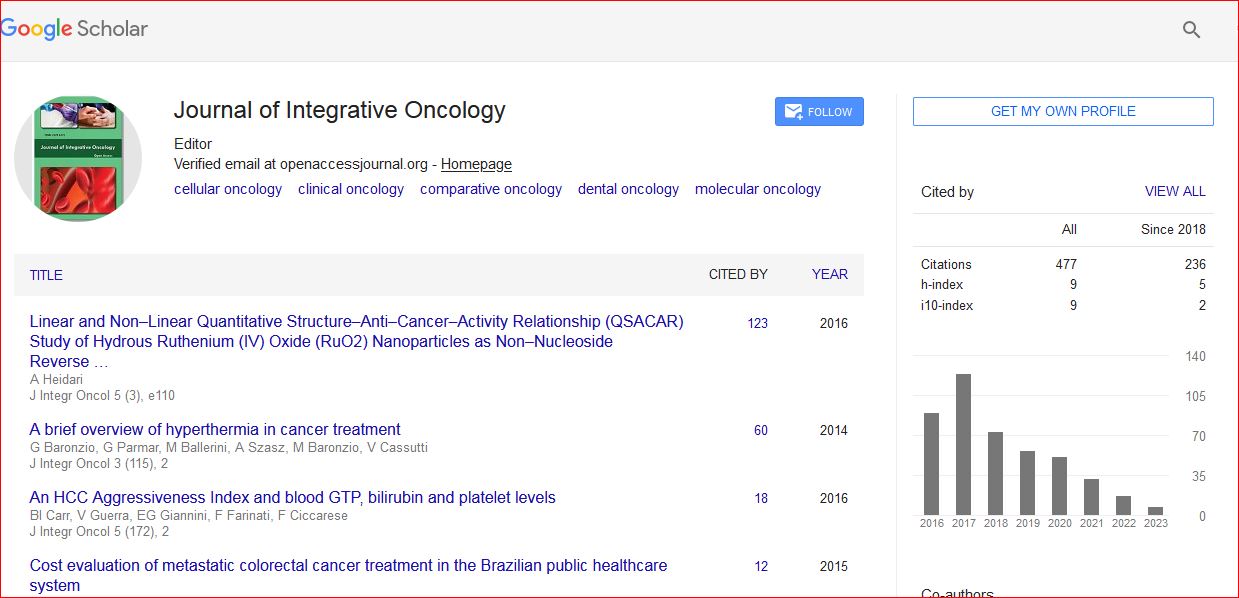
Journal of Integrative Oncology received 495 citations as per Google Scholar report