Short Communication - (2025) Volume 10, Issue 2
Received: 01-Apr-2025, Manuscript No. jomp-26-185083;
Editor assigned: 03-Apr-2025, Pre QC No. P-185083;
Reviewed: 17-Apr-2025, QC No. Q-185083;
Revised: 22-Apr-2025, Manuscript No. R-185083;
Published:
29-Apr-2025
, DOI: 10.37421/2576-3857.2025.10.301
Citation: Khalid, Omar. ”HER2-Positive Gastric Cancer: New Treatments Emerge.” J Oncol Med and Pract 10 (2025):301.
Copyright: © 2025 Khalid O. This is an open-access article distributed under the terms of the Creative Commons Attribution License, which permits unrestricted use, distribution and reproduction in any medium, provided the original author and source are credited.
The field of oncology is continually evolving, with significant advancements being made in the treatment of various cancers. Among these, HER2-positive gastric cancer represents a distinct subtype with unique therapeutic strategies. The development of HER2-targeted therapies has revolutionized the management of this disease, offering improved outcomes for patients. Trastuzumab, a pioneering HER2-targeted agent, has become a cornerstone of treatment, demonstrating efficacy in both early-stage and advanced settings. Emerging immunotherapeutic approaches are also showing great promise, aiming to harness the patient's own immune system to combat cancer. These include immune checkpoint inhibitors (ICIs) and novel agents like bispecific antibodies, which offer new avenues for treatment, especially in cases of resistance or advanced disease. Patient selection based on HER2 expression levels remains crucial for optimizing treatment efficacy. Furthermore, the exploration of combination therapies, integrating HER2-targeted agents with immunotherapies or other modalities, is a key focus to enhance clinical outcomes. Biomarkers play a vital role in predicting response to these novel treatments, allowing for more personalized therapeutic strategies. Understanding the intricate interplay between HER2 signaling and the tumor microenvironment is essential for developing effective treatment plans. Research continues to address challenges such as acquired resistance to HER2-targeted therapies and the management of immune-related adverse events associated with immunotherapy. The future of HER2-positive gastric cancer treatment lies in a multi-faceted approach, combining targeted therapies, immunotherapies, and a deep understanding of the tumor biology and its microenvironment, all guided by robust biomarkers and personalized medicine principles [1].
The landscape of HER2-positive gastric cancer treatment is rapidly transforming, driven by a deeper understanding of its underlying biology and the development of innovative therapeutic modalities. The introduction of HER2-targeted therapies, such as trastuzumab, marked a significant turning point, offering a more effective approach compared to conventional chemotherapy alone. This success has paved the way for the development of next-generation HER2-directed agents, including antibody-drug conjugates (ADCs) and small molecule inhibitors, designed to overcome resistance mechanisms and improve drug delivery to tumor cells. Simultaneously, immunotherapy has emerged as a powerful therapeutic class, with immune checkpoint inhibitors (ICIs) demonstrating notable efficacy in various cancer types. The application of ICIs in HER2-positive gastric cancer is an active area of research, with studies investigating their potential as monotherapy or in combination with existing treatments. The synergistic potential of combining HER2-targeted agents with immunotherapies is a key theme, aiming to achieve enhanced anti-tumor responses and overcome treatment resistance. The tumor microenvironment (TME) plays a critical role in modulating the efficacy of both targeted therapies and immunotherapies. Understanding the immune cell populations, cytokine profiles, and stromal components within the TME of HER2-positive gastric tumors can provide insights into treatment response and guide the development of more effective combination strategies. The role of biomarkers in identifying patients who are most likely to benefit from specific immunotherapeutic approaches is under intense investigation. Challenges such as acquired resistance to HER2-targeted therapies and the management of immune-related adverse events associated with immunotherapy require ongoing research and strategic planning. Bispecific antibodies represent another novel class of therapeutics that simultaneously target HER2 on cancer cells and immune cells, thereby redirecting the immune system for tumor cell elimination. Early clinical investigations into these agents suggest a promising future for patients with refractory or advanced disease. The integration of immunotherapy into the treatment paradigm for HER2-positive gastric cancer is supported by emerging clinical trial data, evaluating various immunotherapy regimens and their combinations. The ultimate goal is to achieve sustained tumor control and improve patient survival through a personalized and comprehensive treatment approach [2].
Immune checkpoint inhibitors (ICIs) have emerged as a significant therapeutic modality in the management of various cancers, and their role in HER2-positive gastric cancer is gaining increasing attention. The rationale for utilizing ICIs in this specific subtype of gastric cancer is rooted in the understanding that tumors can evade immune surveillance by upregulating immune checkpoints. By blocking these checkpoints, ICIs can reactivate the anti-tumor immune response. Clinical evidence supporting the use of ICIs, both as monotherapy and in combination with chemotherapy or HER2-targeted agents, is accumulating, offering new hope for patients. However, challenges associated with ICI therapy, such as predicting response and managing immune-related adverse events, need careful consideration and ongoing research. The development of predictive biomarkers is crucial to identify patients who are most likely to benefit from ICI treatment, thereby optimizing therapeutic strategies and minimizing unnecessary toxicity. Ongoing research aims to refine the application of ICIs in HER2-positive gastric cancer by exploring novel combination regimens and identifying predictive markers. The synergy between HER2-targeted therapies and immunotherapies is a key area of investigation, with the potential to overcome resistance mechanisms and improve overall treatment efficacy. The integration of these approaches into the clinical armamentarium holds the promise of significantly improving outcomes for patients with HER2-positive gastric cancer, moving towards more personalized and effective treatment paradigms [3].
The development and clinical utility of bispecific antibodies represent a novel therapeutic strategy for HER2-positive gastric cancer. These innovative agents are engineered to simultaneously target two distinct antigens, thereby bridging cancer cells and immune effector cells. In the context of HER2-positive gastric cancer, bispecific antibodies can be designed to bind to HER2 on tumor cells and to an activating receptor on immune cells, such as T cells. This dual targeting mechanism facilitates the redirection of the immune system to effectively eliminate tumor cells. Preclinical findings and early-phase clinical trial results have highlighted the considerable potential of bispecific antibodies to overcome the limitations of traditional therapies and offer new treatment options, particularly for patients with refractory or advanced disease. The ability of bispecific antibodies to engage the immune system directly against tumor cells, while simultaneously targeting a key oncogenic driver like HER2, presents a unique therapeutic advantage. Research is ongoing to further explore the efficacy, safety, and optimal use of these agents in HER2-positive gastric cancer, potentially in combination with other treatment modalities. The development of bispecific antibodies signifies a promising advancement in the pursuit of more targeted and effective immunotherapies for this challenging disease [4].
The tumor microenvironment (TME) plays a pivotal role in modulating the response to both HER2-targeted therapies and immunotherapies in gastric cancer. This complex ecosystem, comprising immune cells, stromal cells, extracellular matrix, and signaling molecules, can either promote or hinder anti-tumor immunity and therapeutic efficacy. In HER2-positive gastric cancer, understanding the immune landscape within the TME is critical for predicting patient response and guiding treatment decisions. Studies examining immune cell populations, cytokine profiles, and stromal components within HER2-positive tumors have revealed correlations with treatment outcomes. These findings suggest that the TME can significantly influence the effectiveness of HER2-targeted agents and immunotherapies. Modulating the TME through targeted interventions, potentially in combination with established therapies, holds promise for enhancing anti-tumor responses and overcoming resistance. By dissecting the intricate interactions within the TME, researchers aim to develop more effective combination strategies that can overcome treatment barriers and improve clinical outcomes for patients with HER2-positive gastric cancer. This personalized approach, informed by the TME's characteristics, is key to advancing the management of this disease [5].
Beyond the established trastuzumab, advancements in HER2-targeted therapies for HER2-positive gastric cancer are continuously emerging. These novel agents include antibody-drug conjugates (ADCs) and small molecule inhibitors, which are designed to enhance drug delivery to tumor cells and overcome resistance mechanisms. ADCs, for instance, leverage the specificity of antibodies to deliver potent cytotoxic payloads directly to HER2-expressing cancer cells, minimizing systemic toxicity. Small molecule inhibitors target intracellular signaling pathways downstream of HER2, offering an alternative or complementary approach to antibody-based therapies. The potential synergistic effects of combining these newer HER2-directed agents with immunotherapies are also being explored. Such combinations aim to exploit multiple pathways to eradicate tumor cells and stimulate a robust anti-tumor immune response. This comprehensive overview of the next generation of HER2-targeted treatments, coupled with their potential integration with immunotherapy, provides a promising outlook for improving the management of HER2-positive gastric cancer, particularly in patients with advanced or refractory disease [6].
Acquired resistance to HER2-targeted therapies is a significant clinical challenge in the management of HER2-positive gastric cancer. Tumors that initially respond to treatments like trastuzumab can eventually develop mechanisms to evade its effects, leading to disease progression. Understanding these resistance mechanisms is crucial for developing effective subsequent treatment strategies. Common mechanisms include the activation of alternative signaling pathways that bypass HER2, amplification of other growth factor receptors, and alterations in the HER2 protein itself. Importantly, immunotherapeutic strategies, particularly immune checkpoint inhibitors (ICIs), may offer a way to overcome or delay the development of resistance. By reactivating the immune system's ability to recognize and eliminate cancer cells, ICIs can provide a dual approach to sustained tumor control, potentially addressing both the inherent resistance mechanisms and the tumor's ability to evade immune detection. Research efforts are focused on elucidating these complex interactions and developing combination therapies that can overcome resistance and improve long-term patient outcomes [7].
The integration of immunotherapy into the treatment paradigm for HER2-positive gastric cancer represents a significant evolution in its management. The latest clinical trial data are being rigorously evaluated to assess the efficacy and safety of various immunotherapy regimens. These studies often explore combinations of immunotherapies with HER2-targeted agents and chemotherapy, aiming to achieve a synergistic effect and improve patient responses. Predictive biomarkers are of paramount importance in this context, as they help identify subgroups of patients who are most likely to benefit from immunotherapy. Patient stratification strategies, guided by these biomarkers, are essential for maximizing the benefits of immunotherapy and ensuring its appropriate application in HER2-positive gastric cancer. The ongoing research and clinical investigations are paving the way for a more personalized and effective approach to treating this challenging disease, with immunotherapy playing an increasingly central role [8].
Novel immunotherapeutic strategies beyond traditional immune checkpoint inhibitors (ICIs) are being explored for HER2-positive gastric cancer. These strategies often involve combining HER2-targeted therapies with agents that modulate the tumor microenvironment (TME) or activate the innate immune system. The rationale behind these combinations is to enhance anti-tumor immune responses and overcome resistance mechanisms that limit the efficacy of current therapies. Preclinical studies have provided a strong biological basis for these approaches, demonstrating that simultaneous targeting of HER2 and immune-modulatory pathways can lead to synergistic anti-tumor effects. Early-phase clinical investigations are now underway to translate these promising preclinical findings into clinical benefits for patients. By engaging multiple arms of the immune system and leveraging the specificity of HER2-targeted agents, these novel immunotherapeutic strategies hold the potential to improve outcomes for patients with HER2-positive gastric cancer, particularly those who have failed or are refractory to standard treatments [9].
Advancements in the management of HER2-positive gastric cancer are characterized by a rapid evolution, particularly concerning the role of immunotherapy. Current treatment guidelines are being continually updated to reflect the growing body of evidence supporting the use of immune checkpoint inhibitors (ICIs) in combination with established therapies, including HER2-targeted agents and chemotherapy. The promise of novel combination therapies, designed to harness the synergistic potential of different treatment modalities, is a key area of ongoing research. Emerging immunotherapeutic approaches are also being investigated to further enhance anti-tumor immune responses and overcome treatment resistance. The concept of personalized medicine is paramount in this evolving landscape, with a strong emphasis on the use of biomarkers to guide treatment decisions and optimize therapeutic strategies for individual patients. This approach aims to maximize the benefits of immunotherapy and HER2-targeted therapies, leading to improved clinical outcomes for patients with HER2-positive gastric cancer [10].
The treatment landscape for HER2-positive gastric cancer is undergoing a significant transformation, marked by the integration of innovative therapeutic strategies. HER2-targeted therapies, such as trastuzumab, have established themselves as critical components of treatment, demonstrating substantial improvements in patient outcomes. The continuous development of novel HER2-directed agents, including antibody-drug conjugates (ADCs) and small molecule inhibitors, aims to enhance efficacy and overcome resistance mechanisms. Simultaneously, immunotherapy, particularly immune checkpoint inhibitors (ICIs), has emerged as a powerful tool in oncology. The application of ICIs in HER2-positive gastric cancer is an active area of research, with investigations exploring their use as monotherapy or in combination with other treatments. The potential synergistic effects of combining HER2-targeted agents with immunotherapies are a major focus, with the goal of achieving enhanced anti-tumor immune responses and overcoming treatment resistance. The tumor microenvironment (TME) plays a crucial role in influencing the efficacy of these therapies. Understanding the composition and characteristics of the TME in HER2-positive gastric tumors is essential for predicting patient response and guiding the development of effective combination strategies. Biomarkers are vital for identifying patients most likely to benefit from specific immunotherapeutic approaches, enabling personalized treatment decisions. Challenges, such as acquired resistance to HER2-targeted therapies and the management of immune-related adverse events associated with immunotherapy, are being actively addressed through ongoing research. Bispecific antibodies represent another promising class of therapeutics, designed to simultaneously target HER2 and immune cells, thereby enhancing tumor cell elimination. Early clinical data suggest a significant potential for these agents in treating refractory or advanced disease. The integration of immunotherapy into the standard of care for HER2-positive gastric cancer is supported by accumulating clinical trial data, emphasizing the need for robust patient stratification strategies and the utilization of predictive biomarkers to maximize treatment benefits. This multi-faceted approach, combining targeted therapies, immunotherapies, and a deep understanding of tumor biology and the TME, is paving the way for improved patient outcomes in HER2-positive gastric cancer [1].
The evolving management of HER2-positive gastric cancer is characterized by a dynamic interplay between established HER2-targeted therapies and emerging immunotherapeutic approaches. Trastuzumab, a pioneering HER2-targeted agent, has fundamentally altered the treatment paradigm, improving survival rates for patients with this specific subtype of gastric cancer. The ongoing development of next-generation HER2-directed therapies, including antibody-drug conjugates (ADCs) and small molecule inhibitors, aims to further refine efficacy and address mechanisms of resistance. Concurrently, the advent of immune checkpoint inhibitors (ICIs) has introduced a new dimension to cancer treatment, and their application in HER2-positive gastric cancer is a subject of intense research. Studies are investigating the efficacy of ICIs as monotherapy and in combination with chemotherapy or HER2-targeted agents. The potential for synergistic interactions between HER2-targeted therapies and immunotherapies is a key area of exploration, with the aim of amplifying anti-tumor immune responses and overcoming treatment resistance. The tumor microenvironment (TME) profoundly influences the effectiveness of both targeted agents and immunotherapies. Characterizing the immune cells, cytokines, and stromal components within the TME of HER2-positive tumors is crucial for predicting treatment response and informing the design of combination strategies. Predictive biomarkers are indispensable for identifying patients who are poised to benefit from immunotherapy, thereby facilitating personalized treatment selection. Addressing challenges such as acquired resistance to HER2-targeted therapies and managing immune-related adverse events associated with immunotherapy remains a priority. Bispecific antibodies, which simultaneously target HER2 on cancer cells and immune effector cells, represent a novel therapeutic modality with promising early clinical results, particularly for patients with refractory or advanced disease. The integration of immunotherapy into the treatment protocols for HER2-positive gastric cancer is supported by an increasing volume of clinical evidence, underscoring the importance of patient stratification and the use of predictive biomarkers to optimize therapeutic outcomes. This comprehensive approach, integrating targeted therapies, immunotherapies, and a nuanced understanding of the tumor's biological context, is advancing the care of patients with HER2-positive gastric cancer [2].
Immune checkpoint inhibitors (ICIs) have revolutionized the treatment of many advanced cancers, and their potential in HER2-positive gastric cancer is a subject of significant clinical interest. The rationale for their use stems from the observation that tumors can evade immune detection by upregulating inhibitory checkpoints on immune cells. Blocking these checkpoints with ICIs can restore anti-tumor immune responses, leading to clinical benefit. Clinical studies are evaluating the efficacy of ICIs, both as single agents and in combination with chemotherapy and HER2-targeted therapies, in patients with HER2-positive gastric cancer. These investigations aim to determine the optimal role and sequencing of ICIs within the treatment armamentarium. Predictive biomarkers are being identified to select patients most likely to respond to ICI therapy, thereby enhancing treatment efficacy and minimizing exposure to potential toxicities. Managing immune-related adverse events (irAEs), which are characteristic of ICI therapy, is also a critical aspect of clinical practice and research. Ongoing efforts are focused on optimizing the use of ICIs in this patient population, exploring novel combination strategies, and refining predictive markers to achieve improved outcomes [3].
Bispecific antibodies represent a groundbreaking therapeutic strategy in the fight against HER2-positive gastric cancer. These engineered molecules possess the unique ability to bind to two different targets simultaneously, thereby bridging tumor cells and immune effector cells. Specifically for HER2-positive gastric cancer, bispecific antibodies can be designed to engage HER2 on the surface of cancer cells and an activating receptor on immune cells, such as T cells. This dual targeting mechanism unleashes the cytotoxic potential of the immune system, leading to targeted tumor cell destruction. Preclinical research has demonstrated the potent anti-tumor activity of these agents, and early-phase clinical trials are now underway to evaluate their safety and efficacy in patients. The data emerging from these trials suggest that bispecific antibodies hold significant promise as novel treatment options, particularly for patients who have not responded to or have progressed on conventional therapies. Their ability to redirect the immune system directly against the tumor, while specifically targeting a key oncogenic driver, offers a distinct advantage in the management of this challenging disease [4].
The tumor microenvironment (TME) is a complex milieu that significantly influences the therapeutic response in HER2-positive gastric cancer. This intricate network of cells, molecules, and extracellular matrix can either promote or suppress anti-tumor immunity and the effectiveness of targeted therapies. Understanding the immune cell infiltration, cytokine profiles, and stromal components within HER2-positive tumors is crucial for predicting patient outcomes and guiding treatment selection. Studies have shown that the characteristics of the TME can correlate with the response to both HER2-targeted agents and immunotherapies. Consequently, strategies aimed at modulating the TME, potentially in conjunction with established therapies, are being explored to enhance anti-tumor responses and overcome treatment resistance. By deciphering the complex interactions within the TME, researchers are striving to develop more effective combination therapies that can improve clinical outcomes for patients battling HER2-positive gastric cancer [5].
The therapeutic landscape for HER2-positive gastric cancer continues to expand with the development of novel HER2-targeted therapies beyond trastuzumab. These innovative agents, including antibody-drug conjugates (ADCs) and small molecule inhibitors, are designed to overcome existing resistance mechanisms and improve the targeted delivery of therapeutic payloads to tumor cells. ADCs, for example, utilize the specificity of antibodies to deliver potent cytotoxic agents directly to HER2-expressing cancer cells, thereby minimizing systemic toxicity. Small molecule inhibitors, on the other hand, target intracellular signaling pathways downstream of HER2 activation. The potential for synergistic effects when combining these advanced HER2-directed agents with immunotherapies is also a key area of investigation. These combinations aim to leverage multiple therapeutic modalities to enhance anti-tumor immune responses and achieve more durable clinical benefits. This comprehensive overview of next-generation targeted treatments, coupled with their potential integration with immunotherapy, offers a promising outlook for the management of HER2-positive gastric cancer, particularly in challenging clinical scenarios [6].
Acquired resistance to HER2-targeted therapies poses a significant clinical hurdle in the management of HER2-positive gastric cancer. Tumors that initially respond to therapies like trastuzumab can develop sophisticated mechanisms to evade treatment, leading to disease recurrence and progression. Elucidating these resistance pathways is paramount for devising effective subsequent treatment strategies. Key mechanisms include the activation of bypass signaling pathways, amplification of alternative receptor tyrosine kinases, and genetic alterations within the HER2 receptor itself. Importantly, immunotherapeutic strategies, especially immune checkpoint inhibitors (ICIs), may play a crucial role in overcoming or delaying the onset of resistance. By reinvigorating the patient's immune system to recognize and eliminate cancer cells, ICIs can provide a complementary approach to sustained tumor control, potentially addressing both the intrinsic resistance mechanisms and the tumor's ability to evade immune surveillance. Research is actively exploring these complex interactions to develop combination therapies that can surmount resistance and improve long-term patient outcomes [7].
The increasing integration of immunotherapy into the treatment strategies for HER2-positive gastric cancer is transforming patient care. Current clinical practice is being guided by emerging data from clinical trials that evaluate the efficacy and safety of various immunotherapy regimens. A significant focus is on exploring combinations of immunotherapies with HER2-targeted agents and chemotherapy, aiming to achieve additive or synergistic anti-tumor effects. The identification and validation of predictive biomarkers are critical for stratifying patients and ensuring that immunotherapy is administered to those most likely to benefit. Patient stratification strategies, informed by these biomarkers, are essential for maximizing the therapeutic advantages of immunotherapy in HER2-positive gastric cancer and optimizing clinical outcomes [8].
Novel immunotherapeutic strategies are being actively investigated for HER2-positive gastric cancer, extending beyond the established class of immune checkpoint inhibitors (ICIs). These innovative approaches often involve the combination of HER2-targeted therapies with agents designed to modulate the tumor microenvironment (TME) or stimulate components of the innate immune system. The underlying rationale for these combinations is to amplify anti-tumor immune responses and circumvent resistance mechanisms that currently limit the effectiveness of existing therapies. Preclinical studies have provided compelling evidence supporting the synergistic potential of these combined modalities, demonstrating enhanced anti-tumor activity when HER2-targeted pathways are concurrently modulated with immune-activating agents. Early-phase clinical trials are now underway to translate these promising preclinical findings into tangible clinical benefits for patients. By engaging multiple facets of the immune system and leveraging the specificity of HER2-targeted agents, these novel immunotherapeutic strategies hold considerable promise for improving outcomes in HER2-positive gastric cancer, particularly for individuals with refractory disease or limited treatment options [9].
Significant advancements are shaping the management of HER2-positive gastric cancer, with a particular emphasis on the evolving role of immunotherapy. Current treatment guidelines are being continuously refined to incorporate the growing body of evidence supporting the use of immune checkpoint inhibitors (ICIs) in conjunction with established therapies, including HER2-targeted agents and chemotherapy. The exploration of novel combination therapies, designed to synergistically leverage the effects of different treatment modalities, remains a central theme in ongoing research. Furthermore, emerging immunotherapeutic approaches are being investigated to further enhance anti-tumor immunity and overcome treatment resistance. The principle of personalized medicine is central to this paradigm, with a strong emphasis on utilizing biomarkers to guide therapeutic decisions and tailor treatment strategies to individual patient profiles. This personalized approach aims to maximize the benefits derived from immunotherapy and HER2-targeted therapies, ultimately leading to improved clinical outcomes for patients with HER2-positive gastric cancer [10].
This collection of research focuses on the evolving treatment landscape for HER2-positive gastric cancer, highlighting the critical roles of HER2-targeted therapies and emerging immunotherapies. Trastuzumab remains a key agent, with newer therapies like antibody-drug conjugates and small molecule inhibitors showing promise in overcoming resistance. Immunotherapy, particularly immune checkpoint inhibitors (ICIs) and bispecific antibodies, is demonstrating significant potential, often in combination with HER2-targeted agents. Understanding the tumor microenvironment is crucial for predicting treatment response and guiding combination strategies. Biomarkers are essential for patient selection and personalizing treatment. Challenges include acquired resistance and managing immune-related adverse events, which are areas of active investigation. The overall trend is towards personalized, combination-based approaches to improve clinical outcomes for patients with HER2-positive gastric cancer.
None
None
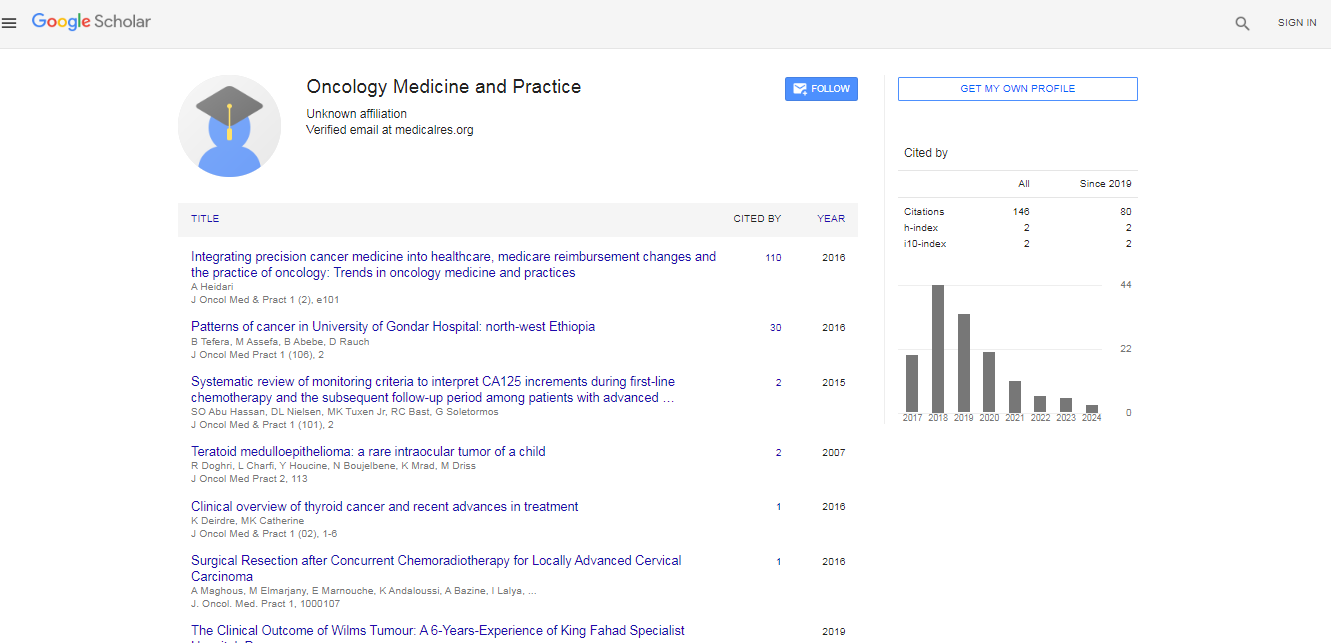
Journal of Oncology Medicine & Practice received 142 citations as per Google Scholar report