Opinion - (2025) Volume 13, Issue 4
Received: 01-Aug-2025, Manuscript No. JCMG-26-185547;
Editor assigned: 03-Aug-2026, Pre QC No. P-185547;
Reviewed: 18-Aug-2025, QC No. Q-185547;
Revised: 23-Aug-2025, Manuscript No. R-185547;
Published:
29-Aug-2025
, DOI: 10.37421/2472-128X.2025.13.350
Citation: Hassan, Amina. ”Genomic Privacy: Ethical Challenges and Legal Frameworks.” J Clin Med Genomics 13 (2025):350.
Copyright: © 2025 Hassan A. This is an open-access article distributed under the terms of the Creative Commons Attribution License, which permits unrestricted use, distribution and reproduction in any medium, provided the original author and source are credited.
The rapid advancement of genomic technologies presents significant ethical hurdles concerning the privacy of DNA data. This article explores the multifaceted challenges, including issues of consent, data security, potential discrimination based on genetic predispositions, and the implications of broad data sharing for individuals and their relatives. It emphasizes the need for robust regulatory frameworks and ethical guidelines to safeguard genomic privacy in clinical and research settings [1].
This study delves into the complexities of informed consent for genomic data use, particularly in large-scale biobanks. It highlights how dynamic consent models and clear communication strategies can empower individuals to control their genetic information. The authors discuss the tension between research utility and individual autonomy, advocating for models that respect evolving preferences and contexts of data sharing [2].
The ethical implications of incidental findings in clinical genomics are examined, focusing on the duty to recontact patients and the potential for genetic discrimination. This paper explores how to manage unsolicited genetic information responsibly, ensuring patient well-being and preventing misuse of sensitive data by insurers or employers. It calls for clear institutional policies and patient education [3].
This article addresses the unique privacy concerns associated with direct-to-consumer (DTC) genetic testing. It highlights the lack of stringent regulatory oversight for many DTC companies and the potential for data to be shared with third parties without explicit consent. The authors discuss the risks of de-identification failures and the broader societal implications of widespread genetic data collection [4].
The concept of 'genetic exceptionalism' and its impact on genomic privacy are explored. This paper questions whether genetic information warrants special protection beyond other sensitive personal data, considering its unique implications for individuals and their families. It examines existing legal frameworks and proposes adaptations to better address the inherent characteristics of genomic data [5].
This research investigates the security measures employed by genomic data repositories and the risks of data breaches. It highlights the technical and organizational challenges in protecting sensitive genetic information from unauthorized access and misuse. The authors advocate for enhanced encryption, access controls, and regular security audits to bolster data integrity [6].
The ethical dimensions of sharing genomic data with law enforcement agencies are critically assessed. This paper discusses the potential for genetic surveillance and the erosion of privacy rights, particularly in the context of forensic genomics. It calls for stringent legal safeguards and public discourse to define the appropriate boundaries for such data sharing [7].
This article explores the concept of familial privacy in the context of genomic data. It addresses the challenges posed by the interconnectedness of genetic information, where an individual's DNA can reveal information about their relatives who have not consented to data sharing. The authors propose ethical frameworks for managing familial genetic data [8].
The impact of artificial intelligence (AI) on genomic privacy is investigated. This paper discusses how AI algorithms can be used to analyze vast amounts of genomic data, potentially leading to new insights but also posing novel privacy risks through advanced re-identification techniques. The authors call for AI-specific ethical guidelines for genomic data [9].
This review synthesizes the current state of legislation and policy governing genomic privacy globally. It identifies gaps and inconsistencies in existing regulations and explores proposals for harmonizing international standards to protect genetic information effectively. The authors emphasize the need for adaptive legal frameworks that can keep pace with technological advancements [10].
Genomic privacy is a critical concern in the era of advanced genetic technologies, necessitating a comprehensive understanding of its ethical landscape. The rapid proliferation of genomic data and its applications in clinical and research settings have illuminated multifaceted challenges that demand careful consideration and robust solutions [1].
A significant aspect of genomic privacy revolves around informed consent, particularly in the context of large-scale research initiatives and biobanks. The complexities involved in obtaining meaningful consent for the use of genetic data, which can have implications across an individual's lifetime and for their relatives, are profound. Dynamic consent models and enhanced communication strategies are being explored to better empower individuals and ensure their evolving preferences regarding data sharing are respected, balancing research utility with individual autonomy [2].
Clinical genomics also presents unique ethical dilemmas, such as the management of incidental findings. These are genetic variations discovered during sequencing that are not directly related to the primary clinical reason for the test but may carry significant health implications. The ethical imperative to recontact patients with such findings, alongside the potential for genetic discrimination by insurers or employers, underscores the need for clear institutional policies and patient education to ensure responsible data stewardship [3].
The rise of direct-to-consumer (DTC) genetic testing has amplified privacy concerns due to a less regulated market. These services offer individuals access to their genetic information but often lack stringent oversight, leading to risks of data being shared with third parties without explicit consent. Failures in de-identification and the broad societal implications of widespread genetic data collection warrant careful scrutiny [4].
The concept of 'genetic exceptionalism' prompts a critical re-evaluation of whether genetic information requires a distinct legal and ethical framework compared to other sensitive personal data. While genetic data possesses unique characteristics, such as its familial implications and predictive power, its protection must be balanced with its utility for scientific advancement and public health. Examining existing legal frameworks is crucial to adapt them effectively to the nuances of genomic data [5].
Protecting the integrity of genomic data repositories is paramount, given the sensitive nature of the information they hold. Research into the security measures employed by these repositories highlights the technical and organizational challenges in preventing data breaches. Enhanced encryption, stringent access controls, and regular security audits are essential to safeguard genetic information from unauthorized access and misuse [6].
The potential for genomic data to be utilized by law enforcement agencies raises significant ethical questions regarding genetic surveillance and the erosion of privacy rights. Forensic genomics, while offering powerful investigative tools, necessitates robust legal safeguards and public discourse to define appropriate boundaries for data sharing, ensuring that public safety measures do not unduly compromise individual liberties [7].
Familial privacy is an intrinsic challenge within genomic data management. The interconnectedness of genetic information means that an individual's DNA can reveal sensitive details about their relatives, even those who have not directly consented to data sharing. Developing ethical frameworks that address these familial implications is crucial for responsible genomic data stewardship [8].
The integration of artificial intelligence (AI) into genomic data analysis introduces both opportunities and novel privacy risks. AI's capacity to uncover complex patterns and insights from vast genomic datasets is revolutionary. However, advanced re-identification techniques powered by AI can pose significant privacy threats, emphasizing the need for AI-specific ethical guidelines tailored to the unique characteristics of genomic data [9].
Globally, the legislative and policy landscape governing genomic privacy is evolving, but often lags behind technological advancements. A comparative analysis of existing regulations reveals gaps and inconsistencies, highlighting the need for harmonized international standards and adaptive legal frameworks. Ensuring effective protection of genetic information requires proactive policy development and a commitment to staying abreast of scientific progress [10].
Genomic privacy is a critical ethical concern arising from advancements in genetic technologies. Challenges include consent for data use, particularly in large biobanks, and the management of incidental findings in clinical genomics. Direct-to-consumer genetic testing presents unique risks due to limited regulation and potential third-party data sharing. The concept of genetic exceptionalism prompts discussions on whether genetic information warrants special protection. Security measures in genomic data repositories are vital to prevent breaches, while the use of genomic data by law enforcement raises surveillance concerns. Familial privacy is also a key issue, as an individual's genetic data can reveal information about relatives. Artificial intelligence adds new privacy risks through advanced re-identification techniques. Globally, legislation and policy are struggling to keep pace with technological advancements, necessitating adaptive legal frameworks and harmonized international standards to safeguard genomic privacy.
None
None
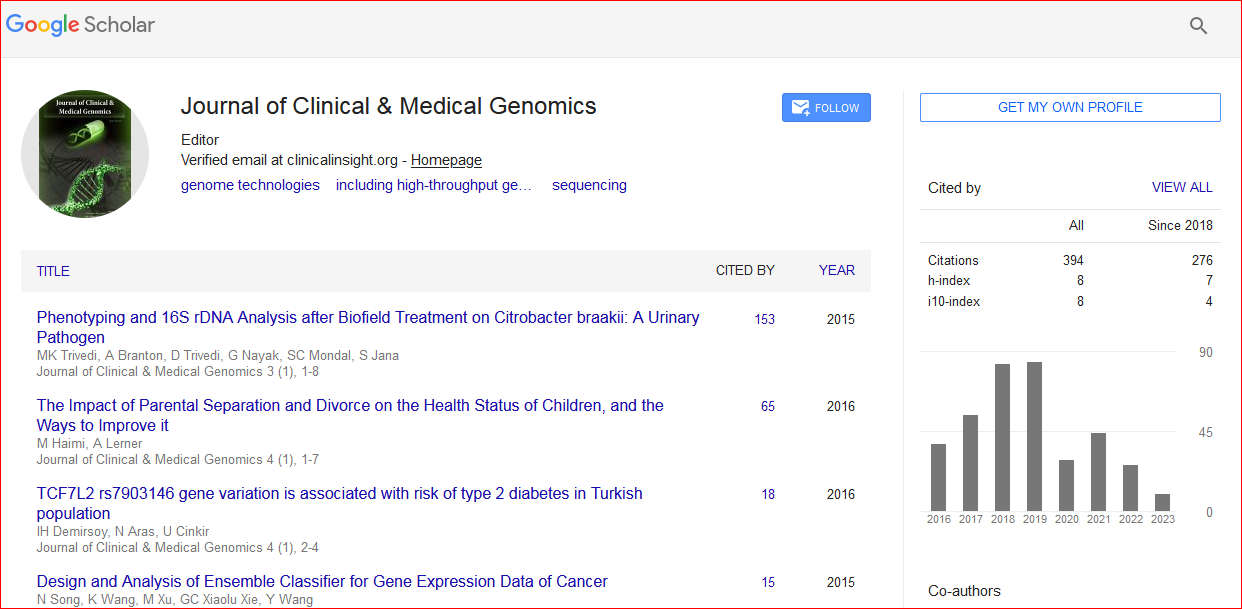
Journal of Clinical & Medical Genomics received 391 citations as per Google Scholar report