Short Communication - (2025) Volume 9, Issue 4
Received: 01-Oct-2025, Manuscript No. jeh-26-180000;
Editor assigned: 03-Oct-2025, Pre QC No. P-180000;
Reviewed: 15-Oct-2025, QC No. Q-180000;
Revised: 22-Oct-2025, Manuscript No. R-180000;
Published:
05-Nov-2025
, DOI: : 10.37421/2684-4923.2025.9.279
Citation: Fernandez, Lucia. ”Fertilizers: Environmental Harm and Sustainable Solutions.” J Environ Hazard 09 (2025):279.
Copyright: © 2025 Fernandez L. This is an open-access article distributed under the terms of the Creative Commons Attribution License, which permits unrestricted use,
distribution and reproduction in any medium, provided the original author and source are credited.
Excessive fertilizer use poses significant environmental challenges, with nutrient runoff from agricultural lands polluting water bodies and disrupting aquatic ecosystems. This phenomenon, commonly known as eutrophication, leads to the proliferation of algal blooms which, in turn, deplete dissolved oxygen, thereby harming fish and other aquatic life. The production and application of synthetic fertilizers are also major sources of greenhouse gas emissions, notably nitrous oxide, which exacerbates climate change. Furthermore, prolonged and imbalanced fertilization can degrade soil health, leading to altered nutrient profiles and the potential accumulation of heavy metals from certain fertilizer types. Addressing these multifaceted impacts necessitates a paradigm shift towards more sustainable agricultural practices, including the adoption of precision farming techniques, the utilization of organic fertilizers, and the implementation of improved nutrient management strategies to mitigate environmental degradation [1].
The widespread application of phosphorus fertilizers is a primary contributor to extensive phosphorus pollution in both freshwater and coastal environments. This excess phosphorus acts as a potent driver of eutrophication, intensifying algal blooms and consequently leading to hypoxic conditions that are detrimental to aquatic life. The remediation of such polluted ecosystems is often economically burdensome and technically complex, underscoring the critical importance of proactive preventive measures within agricultural management frameworks. A comprehensive understanding of the biogeochemical cycling and environmental fate of phosphorus within agricultural landscapes is therefore paramount for the development and implementation of effective mitigation strategies to address this persistent environmental issue [2].
Nitrous oxide (N2O) emissions originating from agricultural soils, predominantly fueled by the extensive use of synthetic nitrogen fertilizers, constitute a substantial portion of anthropogenic greenhouse gas emissions. As a greenhouse gas, N2O possesses a warming potential significantly greater than that of carbon dioxide, making its reduction a key priority in climate change mitigation efforts. Advanced precision agriculture techniques, such as the judicious split application of fertilizers and the strategic use of nitrification inhibitors, have demonstrated considerable efficacy in substantially reducing N2O emissions from agricultural soils. Ongoing research continues to focus on optimizing the timing and methods of fertilizer application to minimize the environmental footprint associated with agricultural practices and to enhance overall nitrogen use efficiency [3].
Long-term and continuous application of synthetic fertilizers in agricultural systems can result in the gradual accumulation of heavy metals, such as cadmium, within the soil matrix. These accumulated metals possess the potential to be absorbed by crops, subsequently posing considerable risks to human health through dietary intake. Beyond heavy metal accumulation, alterations in the composition and functional diversity of soil microbial communities, coupled with potential nutrient imbalances, can negatively impact fundamental soil fertility and structural integrity. Promoting organic farming practices and the strategic use of bio-fertilizers offers a viable pathway to mitigate these inherent risks and actively enhance overall soil health and sustainability [4].
Nutrient leaching from agricultural fields, particularly the loss of nitrogen and phosphorus due to excessive fertilizer application, represents a principal source of groundwater contamination. This contamination can have severe implications for the quality of drinking water supplies and poses direct risks to human health. The environmental dynamics of nutrient transport and transformation within the soil profile are inherently complex, being influenced by a multitude of factors including soil characteristics, precipitation patterns, and specific agricultural practices employed. Therefore, the implementation of integrated nutrient management systems is indispensable for effectively minimizing nutrient leaching losses and safeguarding water resources [5].
The pervasive use of synthetic fertilizers exerts a profound and often detrimental impact on the intricate structure and functional ecological roles of soil microbial communities. Disrupted nutrient availability, stemming from unbalanced fertilization, can inadvertently foster the proliferation of certain microbial populations while suppressing others, thereby affecting critical nutrient cycling processes and the overall health of the soil ecosystem. Embracing sustainable fertilization practices that actively promote soil biodiversity and invigorate microbial activity is therefore crucial for maintaining long-term agricultural productivity and ensuring the provision of vital ecosystem services that underpin healthy environments [6].
Agricultural runoff laden with surplus fertilizers stands as a major instigator of the degradation observed in freshwater ecosystems globally. The resulting eutrophication leads to a marked reduction in biodiversity, the loss of critical aquatic habitats, and significant economic repercussions for industries such as fisheries and tourism. The widespread implementation of best management practices, including the establishment of buffer strips along waterways and the development and adherence to comprehensive nutrient management plans, can substantially diminish the nutrient loads entering water bodies, thereby contributing to the restoration of ecosystem health and resilience [7].
In certain agricultural contexts, the excessive application of potassium fertilizers can precipitate imbalances in the soil's cation exchange capacity. This disruption can subsequently interfere with the availability of other essential macronutrients, such as magnesium and calcium, which are critical for plant development. Such nutrient imbalances can exert negative influences on plant growth patterns and ultimately diminish crop yields. To counteract these adverse effects, the adoption of sustainable potassium management strategies, which encompass regular soil testing and the utilization of slow-release fertilizer formulations, is essential for preventing nutrient imbalances and preserving long-term soil fertility [8].
The application of nitrogen fertilizers can trigger ammonia volatilization, a process that not only contributes to atmospheric pollution but also adversely affects nearby ecosystems through atmospheric deposition. This loss of applied nitrogen through volatilization also signifies a reduction in the overall efficiency of fertilizer use, leading to economic inefficiencies. Effective strategies to minimize ammonia volatilization include the application of urease inhibitors and the physical incorporation of fertilizers into the soil. A thorough understanding of the diverse factors that influence ammonia volatilization is crucial for enhancing nitrogen use efficiency in agricultural systems and reducing environmental contamination [9].
The global nitrogen cycle, a fundamental biogeochemical process, is profoundly influenced and often disrupted by anthropogenic inputs, primarily stemming from the widespread use of synthetic nitrogen fertilizers. This pervasive over-fertilization results in an environmental surplus of nitrogen, which subsequently impacts water quality, air quality, and significantly contributes to greenhouse gas emissions. The adoption of sustainable nitrogen management practices, which include crop rotation, the use of cover crops, and optimized fertilizer application techniques, is paramount for mitigating these adverse environmental consequences and for achieving a more balanced and sustainable nitrogen cycle on a global scale [10].
The environmental repercussions of excessive fertilizer application are extensive, with nutrient runoff serving as a primary pathway for water body pollution and the disruption of aquatic life. This process, euphemistically termed eutrophication, manifests as widespread algal blooms that consume dissolved oxygen, leading to fish kills and habitat degradation. The manufacturing and agricultural application of synthetic fertilizers are also recognized as significant contributors to greenhouse gas emissions, particularly nitrous oxide, which plays a critical role in global climate change. Furthermore, the long-term and often imbalanced use of fertilizers can compromise soil health, leading to unfavorable nutrient ratios and the potential accumulation of toxic heavy metals, depending on the fertilizer composition. A fundamental shift towards more sustainable agricultural methodologies, encompassing precision farming, the judicious use of organic fertilizers, and advanced nutrient management plans, is essential to effectively address and mitigate these pervasive environmental concerns [1].
Phosphorus fertilizers, when applied indiscriminately, contribute significantly to widespread phosphorus pollution across freshwater and coastal ecosystems. This excess phosphorus acts as a key catalyst for eutrophication, intensifying the frequency and severity of algal blooms and fostering conditions of hypoxia, which are devastating to aquatic ecosystems. The processes required for the remediation of these affected environments are typically resource-intensive and technically challenging, thereby emphasizing the imperative for robust preventive measures within agricultural management practices. A thorough grasp of the complex cycling and ultimate fate of phosphorus within agricultural landscapes is therefore indispensable for formulating and enacting effective strategies aimed at mitigating this pervasive issue [2].
Agricultural soils treated with synthetic nitrogen fertilizers are a major source of nitrous oxide (N2O) emissions, a potent greenhouse gas that significantly contributes to anthropogenic climate change. The global warming potential of N2O far surpasses that of carbon dioxide, highlighting the urgency of reducing these emissions. The implementation of precision agriculture strategies, such as the precise timing and placement of fertilizer applications (split application) and the use of nitrification inhibitors, has proven to be an effective approach for substantially lowering N2O emissions. Continued research efforts are vital for further refining fertilizer application techniques and timing to minimize the environmental impact and enhance nitrogen use efficiency [3].
The sustained application of synthetic fertilizers can lead to the gradual accumulation of heavy metals, including cadmium, in agricultural soils. These metals can be readily absorbed by crops, creating a pathway for human exposure through dietary intake, posing significant health risks. Moreover, synthetic fertilizers can alter the composition and function of soil microbial communities, disrupting essential nutrient cycling processes and potentially diminishing overall soil fertility and structural integrity. Promoting organic farming systems and utilizing bio-fertilizers are effective strategies for mitigating these risks and fostering a healthier, more resilient soil environment [4].
Nutrient leaching, particularly of nitrogen and phosphorus, from agricultural fields is a primary driver of groundwater contamination. This contamination poses a threat to the quality of drinking water and can have adverse effects on human health. The movement and transformation of these nutrients within the soil are complex processes influenced by factors such as soil type, rainfall patterns, and agricultural practices. Effective management strategies, such as integrated nutrient management systems, are crucial for minimizing nutrient losses through leaching and protecting water resources [5].
The widespread adoption of synthetic fertilizers has a significant impact on the diversity and functionality of soil microbial communities. Imbalances in nutrient availability can favor certain microbial species, potentially disrupting critical ecological processes such as nutrient cycling and overall soil health. Sustainable fertilization practices that support soil biodiversity and enhance microbial activity are essential for maintaining the long-term productivity of agricultural systems and the provision of vital ecosystem services [6].
Agricultural runoff containing excess fertilizers is a major cause of degradation in freshwater ecosystems. Eutrophication, driven by nutrient enrichment, leads to a decline in biodiversity, habitat loss, and economic consequences for local communities reliant on fisheries and tourism. The adoption of best management practices, such as implementing buffer strips and developing comprehensive nutrient management plans, can significantly reduce the influx of nutrients into waterways, aiding in the recovery and health of these vital ecosystems [7].
Excessive application of potassium fertilizers can disrupt the cation exchange capacity of soils, negatively impacting the availability of other essential nutrients like magnesium and calcium. This imbalance can hinder plant growth and reduce crop yields. To prevent these issues, sustainable potassium management practices, including regular soil testing and the use of slow-release fertilizer formulations, are crucial for maintaining soil fertility and ensuring optimal crop production [8].
Ammonia volatilization from agricultural soils, often exacerbated by nitrogen fertilizer application, contributes to air pollution and can harm sensitive ecosystems through atmospheric deposition. This loss of nitrogen also represents a decrease in fertilizer efficiency. Implementing strategies such as using urease inhibitors and incorporating fertilizers into the soil can effectively reduce ammonia volatilization, thereby improving nitrogen use efficiency and minimizing environmental impact [9].
The global nitrogen cycle is profoundly affected by anthropogenic inputs, primarily from the use of synthetic nitrogen fertilizers. This over-application leads to excess nitrogen in the environment, impacting water and air quality and contributing to greenhouse gas emissions. Sustainable nitrogen management, through practices like crop rotation, cover cropping, and optimized fertilizer application, is essential to mitigate these environmental consequences and restore balance to the nitrogen cycle [10].
Excessive use of fertilizers leads to significant environmental problems, including water pollution through nutrient runoff, causing eutrophication and harming aquatic life. The production and application of synthetic fertilizers also contribute to greenhouse gas emissions like nitrous oxide, impacting climate change. Soil health can be degraded by nutrient imbalances and heavy metal accumulation. Sustainable practices such as precision farming and organic fertilizers are crucial. Phosphorus fertilizers contribute to eutrophication, while nitrogen fertilizers release nitrous oxide, a potent greenhouse gas. Heavy metals from fertilizers can contaminate soils and crops, posing health risks. Nutrient leaching contaminates groundwater, affecting drinking water quality. Synthetic fertilizers alter soil microbial communities, impacting nutrient cycling and soil health. Agricultural runoff from fertilizers degrades freshwater ecosystems. Excessive potassium fertilization can cause nutrient imbalances affecting crop yields. Ammonia volatilization from nitrogen fertilizers pollutes the air and harms ecosystems. Managing nitrogen sustainably is vital for a balanced global nitrogen cycle.
None
None
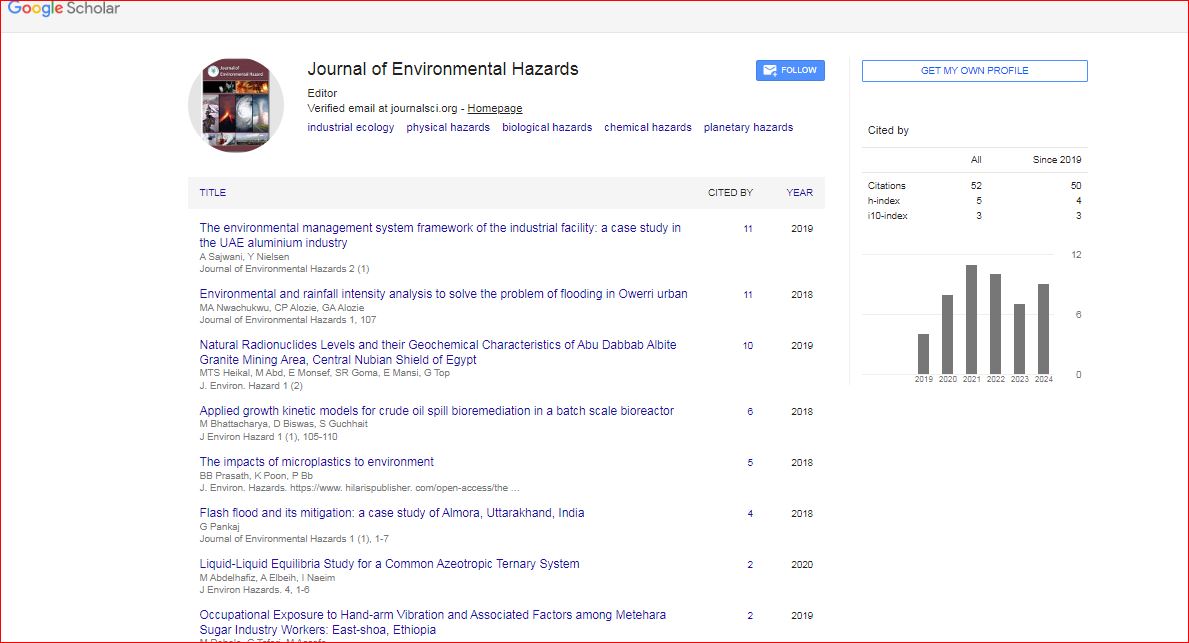
Journal of Environmental Hazards received 51 citations as per Google Scholar report