Perspective - (2025) Volume 14, Issue 5
Received: 01-Sep-2025, Manuscript No. jio-26-184830;
Editor assigned: 03-Sep-2025, Pre QC No. P-184830;
Reviewed: 17-Sep-2025, QC No. Q-184830;
Revised: 22-Sep-2025, Manuscript No. R-184830;
Published:
29-Sep-2025
, DOI: 10.37421/2329-6771.2025.14.579
Citation: Klein, Robert. ”Comprehensive Supportive Care in Radiation Oncology.” J Integr Onco 14 (2025):579.
Copyright: © 2025 Klein R. This is an open-access article distributed under the terms of the Creative Commons Attribution License, which permits unrestricted use, distribution and reproduction in any medium, provided the original author and source are credited.
The integration of supportive care throughout the radiation oncology treatment continuum is paramount for optimizing patient well-being and treatment outcomes. This multifaceted approach encompasses proactive management of treatment-related toxicities, addressing both the physical and psychosocial dimensions of cancer care. Early and continuous support can significantly mitigate the impact of side effects such as pain, fatigue, nausea, and skin reactions, thereby enhancing the patient's ability to tolerate treatment and maintain a higher quality of life. The application of patient-reported outcomes (PROs) has emerged as a critical tool in modern radiation oncology, enabling real-time monitoring of patient symptoms and facilitating timely interventions. By integrating PRO data collection into routine clinical practice, healthcare providers can gain valuable insights into the patient's experience, leading to more personalized and effective symptom management strategies. Complementary and integrative therapies offer a promising avenue for enhancing supportive care in radiation oncology. Modalities such as acupuncture, mindfulness-based stress reduction, yoga, and massage therapy have demonstrated efficacy in alleviating common treatment-related side effects, including pain, fatigue, anxiety, and sleep disturbances. Their safe and effective integration into standard care requires careful consideration and interdisciplinary collaboration. The cornerstone of comprehensive supportive care in radiation oncology lies in the multidisciplinary team approach. This collaborative model leverages the expertise of various specialists, including radiation oncologists, nurses, social workers, dietitians, and psychologists, to address the complex and evolving needs of patients throughout their treatment journey. Pain management in radiation oncology is a critical component of supportive care, requiring a nuanced understanding of different pain types and a tailored approach to treatment. Integrating pharmacological interventions with non-pharmacological strategies such as physical therapy and psychological support is essential for developing individualized pain management plans that consider the patient's unique circumstances. Nutritional support plays a vital role in maintaining patient well-being and treatment tolerance during radiation therapy. Addressing common nutritional challenges, such as dysphagia and altered taste perception, through evidence-based interventions like dietary modifications and nutritional supplements is crucial for ensuring adequate nutritional status and promoting recovery. Fatigue, a prevalent and often debilitating side effect of radiation therapy, necessitates a comprehensive management strategy. A multifactorial approach that incorporates exercise, cognitive behavioral therapy, and pharmacological interventions, alongside patient education and self-management techniques, can empower individuals to cope effectively with treatment-induced fatigue. Recognizing and addressing the psychological sequelae of radiation therapy, including anxiety, depression, and fear of recurrence, is essential for holistic patient care. Systematic psychosocial screening and the integration of psychological support services are critical for promoting mental well-being and building resilience among patients undergoing treatment. Survivorship care following radiation therapy is increasingly recognized as a vital component of the cancer care continuum. Addressing the long-term physical and psychosocial effects of radiation, such as secondary malignancies and cognitive changes, through comprehensive survivorship care plans and ongoing follow-up is crucial for optimizing the health and well-being of cancer survivors. Managing radiation-induced skin toxicity is a critical aspect of supportive care in radiation oncology. Implementing evidence-based strategies for prevention, treatment, and patient education is essential to minimize discomfort, prevent infection, and promote healing, thereby improving the patient's quality of life during and after treatment.
The multifaceted role of supportive care in radiation oncology is explored, emphasizing its integration throughout the treatment continuum. This includes the proactive management of treatment-related toxicities such as pain, fatigue, nausea, and skin reactions, utilizing both pharmacological and non-pharmacological interventions. The psychological and emotional impact of radiation therapy is also highlighted, advocating for systematic incorporation of psychosocial support, spiritual care, and survivorship planning. Nutritional support and exercise interventions are discussed as key components for optimizing patient well-being and treatment outcomes, reflecting a shift towards a patient-centered approach that addresses holistic needs. This paper details how integrating patient-reported outcomes (PROs) into routine radiation oncology care can significantly improve the identification and management of adverse events. Strategies for using PROs to monitor symptoms in real-time are presented, enabling timely interventions that can mitigate treatment interruption and enhance quality of life. The article discusses various PRO instruments suitable for radiation oncology patients and outlines best practices for their implementation within clinical workflows, emphasizing clear communication and feedback loops between patients and healthcare providers. This review examines the evidence base for complementary and integrative therapies within radiation oncology supportive care. Modalities such as acupuncture, mindfulness-based stress reduction, yoga, and massage therapy are evaluated for their efficacy in managing common side effects like pain, fatigue, anxiety, and sleep disturbances. The authors provide practical guidance on safely and effectively integrating these approaches into standard care, stressing the need for interdisciplinary collaboration and patient education for informed decision-making. The crucial role of the multidisciplinary team in delivering comprehensive supportive care in radiation oncology is the focus of this article. It outlines the contributions of various specialists, including radiation oncologists, medical physicists, dosimetrists, radiation therapists, nurses, social workers, dietitians, and psychologists. The importance of coordinated care pathways, effective communication strategies, and shared decision-making is emphasized to ensure holistic and efficient patient care throughout the treatment journey. This article addresses the complexities of pain management in radiation oncology patients, discussing different types of pain encountered and providing a framework for assessment and treatment. It integrates pharmacological options with non-pharmacological strategies like physical therapy and psychological support. The authors highlight the importance of individualized pain management plans that consider the patient's specific disease, treatment, and concurrent comorbidities. The impact of radiation therapy on nutrition and strategies for nutritional support are examined in this piece. It covers common nutritional challenges faced by patients, such as dysphagia and mucositis, and outlines evidence-based interventions, including dietary modifications and nutritional supplements. The authors stress the importance of early nutritional assessment and ongoing monitoring by a registered dietitian to maintain adequate nutritional status, which is critical for tolerating treatment and promoting recovery. This article focuses on the management of fatigue, a prevalent and often debilitating side effect of radiation therapy. It explores the pathophysiology of treatment-induced fatigue and discusses a range of interventions, including exercise, cognitive behavioral therapy, and pharmacological approaches. The authors advocate for a personalized and multifactorial strategy to address fatigue, emphasizing patient education and self-management techniques to empower individuals in coping with this symptom. The psychological sequelae of radiation therapy, including anxiety, depression, and fear of recurrence, are examined. The article highlights the importance of systematic psychosocial screening and the integration of psychological support services, such as counseling and support groups, into radiation oncology care. The authors emphasize building resilience and promoting adaptive coping mechanisms to improve the mental well-being of patients undergoing treatment. This paper discusses the evolving landscape of survivorship care in radiation oncology. It addresses the long-term physical and psychosocial effects of radiation, including secondary malignancies and cardiovascular toxicity, and advocates for comprehensive survivorship care plans. The authors emphasize the need for ongoing follow-up, patient education regarding potential long-term effects, and proactive management strategies to optimize the health and well-being of cancer survivors. The management of skin toxicity from radiation therapy is a critical aspect of supportive care. This article reviews the etiology, grading, and management of radiation-induced dermatitis. It discusses preventive measures, topical therapies, and systemic treatments, emphasizing patient education and adherence to skincare recommendations. The authors highlight strategies to minimize discomfort, prevent infection, and promote healing to improve patient quality of life during and after treatment.
Supportive care in radiation oncology is a comprehensive approach addressing the physical and psychosocial needs of patients throughout treatment. This involves managing toxicities like pain, fatigue, nausea, and skin reactions through various interventions. Integrating patient-reported outcomes (PROs) enhances symptom monitoring and management. Complementary and integrative therapies can further alleviate side effects. A multidisciplinary team approach is crucial for coordinated care. Pain management strategies are individualized, combining pharmacological and non-pharmacological methods. Nutritional support is vital for treatment tolerance and recovery. Fatigue management requires personalized, multifactorial interventions. Psychosocial support addresses emotional well-being, and survivorship care focuses on long-term effects. Managing skin toxicity is also a key component of supportive care, aiming to improve patient quality of life.
None
None
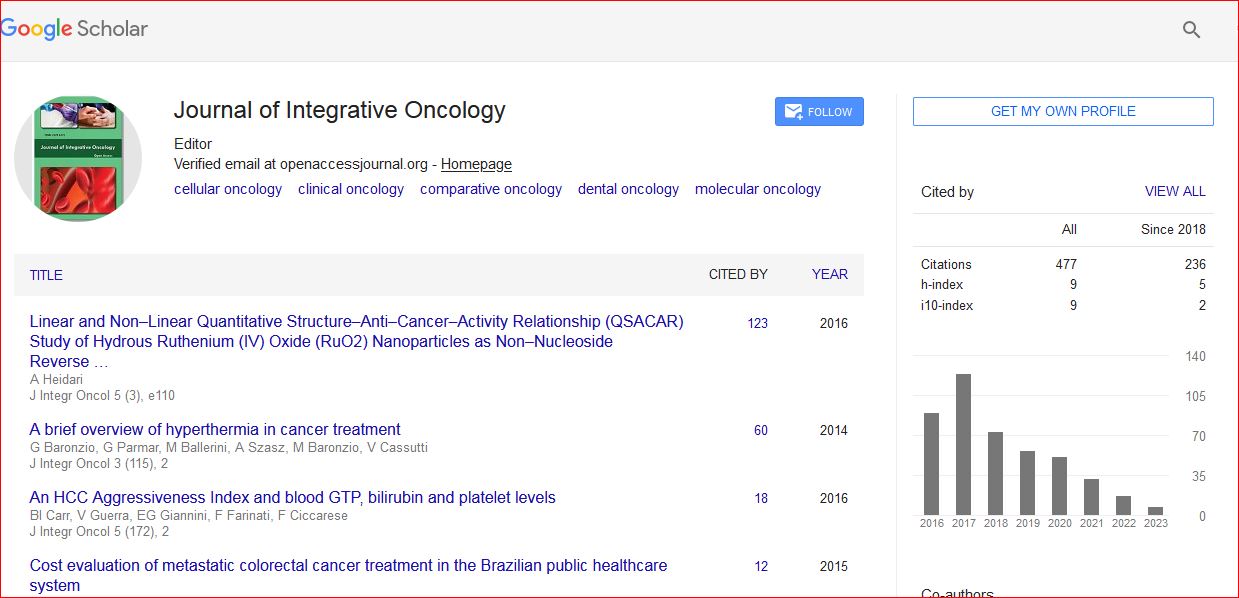
Journal of Integrative Oncology received 495 citations as per Google Scholar report