Perspective - (2025) Volume 14, Issue 6
Received: 01-Nov-2025, Manuscript No. pbt-25-178166;
Editor assigned: 03-Nov-2025, Pre QC No. P-178166;
Reviewed: 17-Nov-2025, QC No. Q-178166;
Revised: 24-Nov-2025, Manuscript No. R-178166;
Published:
29-Nov-2025
, DOI: 10.37421/2167-7689.2025.14.516
Citation: Bennett, James O.. ”Drug Labeling: Safety, Harmonization and Digital Innovation.” Pharmaceut Reg Affairs 14 (2025):516.
Copyright: © 2025 Bennett O. James This is an open-access article distributed under the terms of the Creative Commons Attribution License, which permits unrestricted use, distribution and reproduction in any medium, provided the original author and source are credited.
Drug labeling regulations are a cornerstone of modern pharmaceutical practice, designed to safeguard public health by ensuring that essential information about medications is clearly and accurately communicated to all stakeholders. These regulations are meticulously crafted and enforced by global health authorities such as the Food and Drug Administration (FDA) in the United States and the European Medicines Agency (EMA) in Europe, setting stringent requirements for the content and presentation of information on drug labels. The critical data mandated on these labels includes details on the drug's intended uses (indications), precise dosing instructions, significant warnings and precautions, contraindications, and essential manufacturing particulars, all serving to guide safe and effective therapeutic interventions [1].
Navigating the complex terrain of drug labeling is a fundamental responsibility for regulatory professionals, demanding a deep understanding of intricate guidelines that govern the content, formatting, and linguistic presentation of information found on drug packaging and accompanying informational materials. A paramount consideration within this domain is the accurate and unambiguous representation of potential adverse effects, known drug interactions, and specific precautionary measures, all while ensuring that this vital information is readily comprehensible to the end-users, thereby minimizing the risk of confusion or misuse. The overarching objective is to foster effective risk-benefit communication and proactively prevent medication errors through the design of clear and intuitive labeling systems [2].
The transformative influence of digital technologies on drug labeling practices is a rapidly evolving phenomenon, opening new avenues for information dissemination and patient engagement. Electronic labeling initiatives, which often involve patient information leaflets accessible through mechanisms like QR codes, are being implemented with the aim of enhancing patient involvement in their treatment and providing the capability for dynamic updates to critical information. Regulatory agencies worldwide are actively engaged in the development of robust frameworks to guide the implementation and validation of these innovative digital solutions, striving to strike a balance between fostering technological advancement and maintaining rigorous safety oversight to protect patient well-being [3].
A significant and ongoing undertaking within the pharmaceutical regulatory sphere is the harmonization of international drug labeling regulations, a critical endeavor aimed at facilitating broader global access to essential medicines and concurrently reducing the substantial regulatory burdens faced by pharmaceutical companies operating across multiple jurisdictions. International organizations, most notably the International Council for Harmonisation of Technical Requirements for Pharmaceuticals for Human Use (ICH), are actively spearheading initiatives to establish common and consistent standards for both the content and the structural format of drug labels, thereby promoting uniformity and predictability in labeling requirements across diverse geographical regions and regulatory systems [4].
The pivotal role that effective drug labeling plays in the crucial mission of mitigating medication errors cannot be overstated; indeed, it is a fundamental safeguard in patient care. The provision of labeling that is characterized by clarity, conciseness, and unwavering accuracy serves as an indispensable tool in the prevention of dosage mistakes, the administration of incorrect medications, and a wide spectrum of other preventable adverse events. This necessitates meticulous attention to detail in aspects such as font selection and size, color contrast optimization, and the strategic and logical placement of information deemed most critical for immediate understanding and action by healthcare providers and patients alike [5].
Pharmacovigilance, the science and activities relating to the detection, assessment, understanding, and prevention of adverse effects or any other drug-related problem, and drug labeling are intrinsically and inextricably linked in their shared goal of ensuring patient safety throughout the lifecycle of a medication. Data gathered through post-marketing surveillance and adverse event reporting frequently serves as the impetus for crucial updates to drug labels, ensuring that any newly identified safety concerns or emerging information is promptly and effectively communicated to healthcare providers and ultimately to patients. This dynamic, iterative process of data acquisition, rigorous analysis, and subsequent label modification is absolutely vital for maintaining the ongoing safety profile of marketed drugs [6].
In the United States, the regulatory framework governing drug labeling is predominantly established and enforced by the Food and Drug Administration (FDA), which mandates the inclusion of comprehensive and detailed information pertaining to all drug products marketed within the country. This regulatory requirement encompasses the essential prescribing information, medication guides designed for patient use, and the specific over-the-counter (OTC) drug facts labels. Recent regulatory updates consistently prioritize enhancing the clarity and overall readability of these labels, with the explicit aim of improving patient comprehension and fostering better adherence to prescribed medication regimens, thereby ensuring critical safety and usage information is readily accessible and understandable [7].
Within the European Union, drug labeling regulations, which are meticulously overseen by the European Medicines Agency (EMA), place a significant emphasis on patient-centric communication strategies and promote harmonization across the diverse member states to ensure consistent standards of information. The Common Technical Document (CTD) format plays a pivotal role in standardizing the submission process for labeling information, streamlining regulatory reviews and facilitating consistency. A central tenet of these regulations is the assurance that patient information leaflets are not only easily understood but also contain all the necessary safety warnings and comprehensive usage instructions required for safe self-administration or use under professional guidance [8].
The development and implementation of drug labeling specifically tailored for pediatric populations present a unique set of challenges, primarily due to the necessity of employing age-appropriate language and information that is carefully adjusted to meet the distinct developmental and physiological needs of children. Regulatory agencies are increasingly dedicating greater attention and resources towards improving the quality and completeness of pediatric labeling, with the ultimate goal of ensuring the safe and effective administration and use of medications within this particularly vulnerable patient demographic. This specialized focus includes the provision of explicit guidance concerning appropriate dosing strategies, recommended administration techniques, and the identification of potential side effects specifically relevant to children [9].
The emergence and widespread adoption of biologics and biosimilars have brought about a need for highly specialized labeling considerations, reflecting the inherent complexity of these advanced therapeutic agents. These sophisticated products require the inclusion of detailed information pertaining to their intricate manufacturing processes, potential immunogenicity, and specific administration requirements to guarantee their safe and effective utilization by patients and healthcare providers. Regulatory bodies globally are continuously engaged in refining and updating the guidelines governing the labeling of biologics and biosimilars to ensure the provision of clear, accurate, and comprehensive information, addressing any potential differences and issues related to interchangeability [10].
Drug labeling regulations represent a critical infrastructure for ensuring patient safety and delivering precise information concerning pharmaceutical products. These regulations, under the purview of esteemed bodies like the FDA and EMA, precisely define the essential information that must be conspicuously displayed on drug labels. This mandated information encompasses the drug's approved uses (indications), recommended dosage, critical warnings and contraindications, and detailed manufacturing particulars, all designed to facilitate informed decision-making and safe usage [1].
The comprehension of the intricate aspects of pharmaceutical labeling is an indispensable prerequisite for regulatory affairs professionals. This expertise involves adeptly navigating a complex web of guidelines that govern the substance, format, and precise language employed on drug packaging and the accompanying informational inserts. Key elements that demand careful consideration include the scrupulous and accurate portrayal of potential adverse effects, the documented interactions with other drugs, and specific safety precautions, all while upholding the principle that this information must be readily comprehensible to its intended audience. A strong emphasis is placed on effectively communicating the balance between therapeutic benefits and potential risks, and on the crucial goal of preventing medication errors through the implementation of highly effective labeling strategies [2].
The pervasive impact of digital technologies on the landscape of drug labeling is undergoing a rapid and extensive expansion, introducing novel approaches to information delivery and engagement. Electronic labeling solutions, which often include patient information leaflets that can be accessed via convenient methods such as QR codes, are being developed and deployed with the objective of enhancing patient participation in their own healthcare and providing the capability for timely and dynamic updates to essential information. Regulatory authorities are actively exploring and establishing frameworks for the systematic implementation and rigorous validation of these cutting-edge digital solutions, carefully balancing the drive for innovation with the unwavering commitment to maintaining robust safety oversight to protect public health [3].
The concerted effort towards the harmonization of international drug labeling regulations represents a significant and vital undertaking, crucial for enhancing global access to medicines and for alleviating the complex regulatory burdens that pharmaceutical companies often encounter when operating in diverse international markets. Proactive initiatives spearheaded by prominent organizations, such as the ICH, are dedicated to the development and establishment of common, standardized approaches for both the content and the structural format of drug labels, thereby fostering a greater degree of consistency and predictability in labeling requirements across different countries and regions. This unified approach aims to ensure that essential safety information is universally understood and consistently applied, regardless of geographical location [4].
The profound significance of effective drug labeling in the context of preventing medication errors cannot be sufficiently emphasized; it stands as a fundamental pillar in safeguarding patient well-being. The provision of labels that are characterized by their clarity, conciseness, and absolute accuracy serves as an essential instrument in averting dosage errors, preventing the administration of incorrect medications, and mitigating a wide array of other potentially harmful adverse events. This imperative demands meticulous attention to the finest details, including the careful selection of font styles and sizes, the optimization of color contrast for maximum readability, and the strategic, logical placement of information that is most critical for immediate comprehension and correct action by healthcare professionals and patients alike [5].
Pharmacovigilance and drug labeling are fundamentally interconnected processes, each playing a vital role in the ongoing monitoring and communication of drug safety. Insights derived from pharmacovigilance activities, particularly post-marketing surveillance data, frequently inform and necessitate updates to existing drug labels. This ensures that any emerging safety information, potential risks, or new findings are promptly and effectively communicated to both healthcare providers and patients, thereby facilitating informed therapeutic decisions. This continuous, cyclical process of data collection, thorough analysis, and subsequent label modification is indispensable for maintaining the integrity and safety profile of marketed drugs throughout their entire product lifecycle. The timely and accurate incorporation of new safety discoveries into drug labeling is recognized as a core regulatory responsibility essential for public health protection [6].
Within the United States, the regulatory framework governing drug labeling is primarily established and diligently enforced by the Food and Drug Administration (FDA). This framework mandates the inclusion of comprehensive and detailed information on all drug products sold within the country. This essential information includes the formal prescribing information intended for healthcare professionals, patient-friendly medication guides, and the standardized over-the-counter (OTC) drug facts labels. Recent regulatory updates consistently focus on improving the clarity and overall readability of these labels, with the explicit goal of enhancing patient understanding and promoting better adherence to prescribed medication schedules. The overarching aim is to make critical safety and usage information easily accessible and understandable to the general public [7].
In the European Union, the regulations pertaining to drug labeling, which are meticulously overseen by the European Medicines Agency (EMA), place a strong emphasis on patient-centered communication and on achieving harmonization across the various member states to ensure consistent information dissemination. The Common Technical Document (CTD) format plays a significant role in standardizing the submission of labeling information, thereby streamlining regulatory processes and promoting uniformity. A key objective of these regulations is to guarantee that patient information leaflets are not only easily understood by the average patient but also contain all the requisite safety warnings and comprehensive usage instructions necessary for safe and effective medication use [8].
The development of specific drug labeling for pediatric use introduces unique challenges, requiring the use of language and information that is specifically tailored to be age-appropriate and to address the distinct physiological and developmental needs of children. Regulatory agencies are placing an increasing emphasis on enhancing the quality and completeness of pediatric labeling, aiming to ensure the safe and effective use of medications within this particularly vulnerable population group. This commitment involves providing explicit guidance on pediatric dosing, appropriate methods of administration, and the identification of potential side effects that may be specific to children [9].
The advent and increasing prevalence of biologics and biosimilars necessitate specialized and detailed labeling considerations due to their complex nature. These advanced products require comprehensive information regarding their intricate manufacturing processes, potential immunogenicity, and specific administration guidelines to ensure their safe and effective application. Regulatory bodies worldwide are continually refining their guidelines for the labeling of biologics and biosimilars. The objective is to provide clear and thorough information to healthcare providers and patients, effectively addressing potential differences between products and considerations related to interchangeability to promote informed clinical decisions and patient safety [10].
Drug labeling regulations are critical for patient safety and accurate medication information, overseen by bodies like the FDA and EMA. These regulations dictate essential label content, including indications, dosage, warnings, and manufacturing details. Recent efforts focus on international harmonization and improving information clarity for users. The digital transformation of labeling, using electronic health records and smart labels, is a significant development. Understanding labeling nuances is paramount for regulatory professionals, involving complex guidelines on content, format, and language, with an emphasis on risk-benefit communication and preventing medication errors. Digital technologies are expanding labeling capabilities, enabling electronic access and dynamic updates, while regulatory agencies develop frameworks for these solutions. International harmonization aims to simplify global drug access and reduce industry burdens through common standards. Labeling is a crucial strategy for preventing medication errors, requiring clear and concise information. Pharmacovigilance and labeling are linked, with post-marketing data informing label updates to communicate emerging safety information. US FDA regulations mandate comprehensive labeling information, focusing on clarity and readability. EU EMA regulations emphasize patient-centric communication and harmonization, using the CTD format. Pediatric drug labeling presents unique challenges, requiring age-appropriate information for safe use in children. Biologics and biosimilars require specialized labeling due to their complexity, with ongoing refinement of guidelines for clarity and safety.
None
None
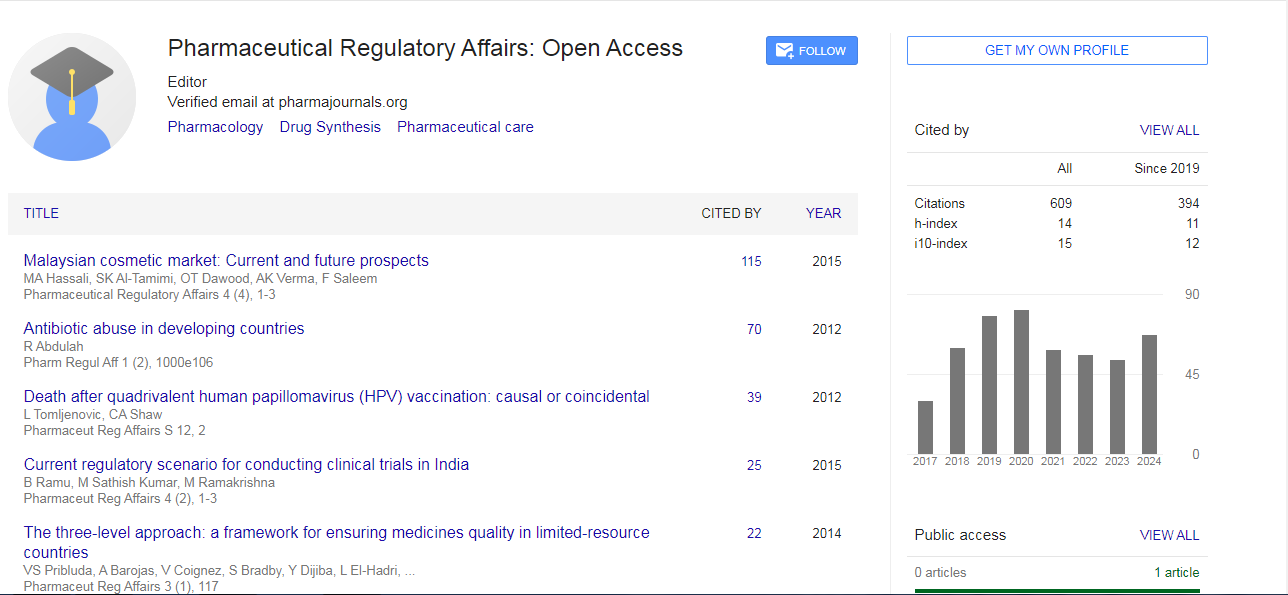
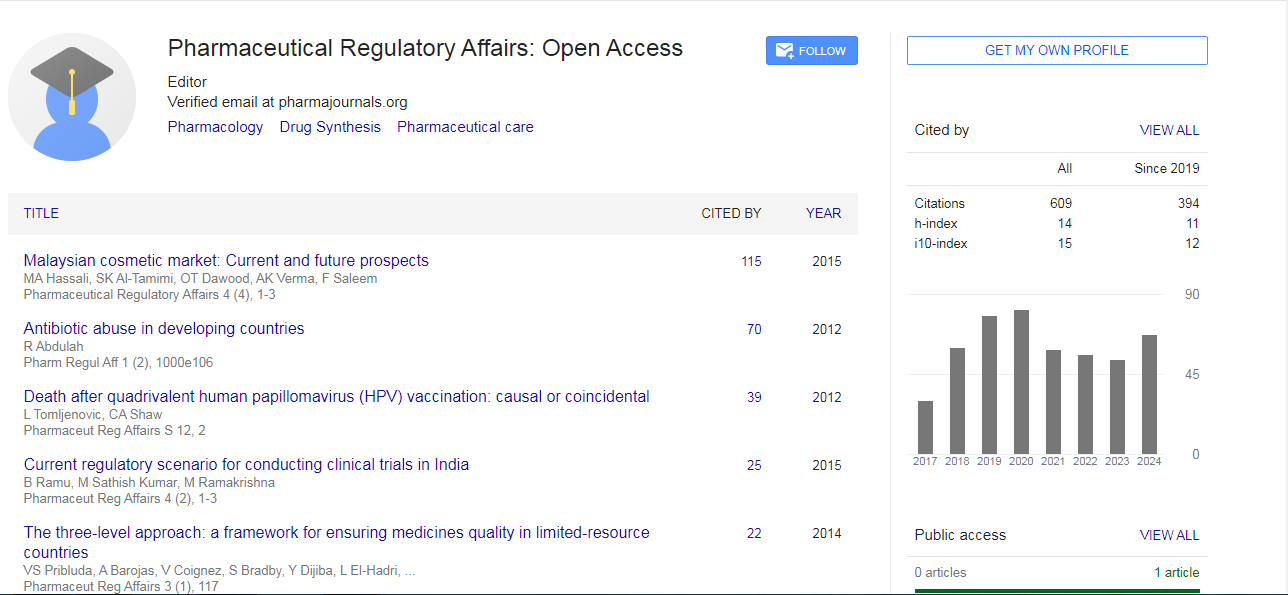
Pharmaceutical Regulatory Affairs: Open Access received 533 citations as per Google Scholar report