Brief Report - (2025) Volume 15, Issue 4
Received: 03-Aug-2025, Manuscript No. jprm-25-174457;
Editor assigned: 06-Aug-2025, Pre QC No. P-174457;
Reviewed: 19-Aug-2025, QC No. Q-174457;
Revised: 25-Aug-2025, Manuscript No. R-174457;
Published:
30-Aug-2025
, DOI: 10.37421/2161-105X.2025.15.750
Citation: Sharma, Priyanka. ”COVID-19: Lasting Pulmonary Complications and Care.” J Pulm Respir Med 15 (2025):750.
Copyright: © 2025 Sharma P. This is an open-access article distributed under the terms of the Creative Commons Attribution License, which permits unrestricted use, distribution and reproduction in any medium, provided the original author and source are credited.
The global pandemic has profoundly reshaped public health, drawing significant scientific scrutiny to the lasting pulmonary consequences of SARS-CoV-2 infection. A deeper understanding of these long-term lung complications is not just academic; itâ??s fundamental for enhancing patient recovery trajectories and for shaping effective post-infection management strategies. For instance, post-COVID-19 pulmonary fibrosis has emerged as a particularly concerning and serious long-term lung complication. Comprehensive research, including systematic reviews and meta-analyses, meticulously investigates its prevalence and the various risk factors associated with it. These studies consistently identify severe acute infection, advanced age, and male sex as prominent predictors for developing this specific condition. Such critical insights are invaluable for clinicians, helping them refine immediate clinical management protocols and establish robust, long-term follow-up care plans for individuals who have endured the acute phase of COVID-19 [1].
The intricate pathophysiology underpinning SARS-CoV-2 induced lung injury is a key area of ongoing investigation. At its core, the virus provokes an excessive and dysregulated inflammatory response within the body. This inflammatory cascade directly leads to widespread damage across the lung parenchyma, culminating in alveolar collapse and severe impairment of gas exchange capabilities, manifesting as Acute Respiratory Distress Syndrome (ARDS). A thorough understanding of these cellular and systemic mechanisms provides a crucial foundational framework for developing and refining targeted treatment strategies designed to mitigate the acute effects of the virus on the respiratory system [2].
What this really means is that a severe bout of COVID-19 often leaves enduring damage to the delicate lung tissues. Extensive systematic reviews meticulously explore the long-term impact on fundamental physiological metrics such as lung function, exercise capacity, and the observable changes in High-Resolution Computed Tomography (HRCT) scans. These investigations consistently reveal that a substantial proportion of patients continue to exhibit persistent pulmonary abnormalities, sometimes extending a year or even longer post-infection. This collective body of evidence powerfully underscores the chronic nature of these pulmonary complications for a significant subset of individuals recovering from severe COVID-19 [7].
Prospective cohort studies, which meticulously track patients in their recovery journey from severe COVID-19, bring to light a compelling and concerning trend: a notable number of these individuals continue to grapple with persistent pulmonary impairment many months after their initial hospital discharge. This observation critically emphasizes the profound and enduring impact that COVID-19 can have on lung function. It also highlights the urgent and ongoing requirement for vigilant monitoring and structured rehabilitation programs tailored specifically for these patients, ensuring they receive the comprehensive care needed for optimal recovery [3].
Complementing these clinical observations, systematic reviews and meta-analyses have synthesized a wealth of evidence pertaining to long-term chest CT findings in COVID-19 patients. These analyses demonstrably show the continued presence of characteristic abnormalities, including ground-glass opacities, reticulations, and areas of consolidation, long after the acute infection has subsided. This persistent radiological evidence underscores the undeniable utility and value of advanced imaging techniques in closely tracking the progression of the disease and, crucially, in identifying those patients who are at an elevated risk for developing chronic lung sequelae [4].
Beyond direct viral damage, the circulatory system within the lungs also faces significant challenges. Hereâ??s the thing: COVID-19 demonstrably and significantly escalates the risk of pulmonary embolism. Comprehensive systematic reviews and meta-analyses have rigorously quantified this increased risk, revealing a substantial incidence of dangerous blood clots forming within the lungs among COVID-19 patients. This elevated risk is observed even in individuals who may not have experienced the most severe forms of the illness. This reinforces the critical importance of implementing timely anticoagulant prophylaxis and maintaining vigilant surveillance strategies both during and well after the acute phase of the infection to prevent these potentially life-threatening vascular complications [5].
Furthermore, a concerning and often fatal complication in COVID-19 patients is the development of secondary bacterial pneumonia. Extensive systematic reviews and meta-analyses meticulously quantify both the incidence and the profound impact of these co-infections. These studies identify common bacterial pathogens responsible and underscore the significantly increased mortality rates directly associated with such co-infections, highlighting the formidable clinical challenges involved in effectively managing these complex cases [9].
To further break down the intricate pathology, comprehensive reviews have delved deeply into the specific alveolar damage inflicted by COVID-19. They meticulously outline how the combined assault of direct viral effects and dysregulated host immune responses wreaks havoc on the delicate structural integrity of the lungâ??s air sacs. This damage is directly correlated with the progression of the disease and significantly influences patient prognosis, thereby highlighting the critical imperative of preserving alveolar integrity as a key factor for achieving better clinical outcomes [8].
Supporting these findings at a microscopic level, systematic reviews that aggregate histopathological findings from the lungs of COVID-19 patients paint a stark and clear picture. They consistently reveal diffuse alveolar damage, the presence of microthrombi (tiny blood clots within the small vessels), and organizing pneumonia. These tissue-level findings are absolutely crucial for grasping the direct structural injury caused by the virus and offer significant implications for understanding long-term recovery patterns, including the potential for progressive fibrotic changes within the lung tissue itself [10].
In light of these widespread and persistent pulmonary challenges, respiratory rehabilitation programs have emerged as a critical and highly effective intervention. Systematic reviews evaluating these programs for individuals experiencing post-acute COVID-19 syndrome consistently conclude that thoughtfully designed, targeted exercises and specialized breathing techniques can substantially improve lung function, enhance exercise capacity, and significantly elevate the overall quality of life for these patients. This evidence emphatically underscores rehabilitationâ??s indispensable and central role in the comprehensive recovery process from COVID-19-related pulmonary complications [6].
The long-term pulmonary consequences of COVID-19 represent a significant area of concern, profoundly impacting a substantial number of survivors worldwide. What this really means is that persistent pulmonary impairment is a common reality, with various studies indicating that many patients, even those recovering from what was initially considered less severe illness, continue to experience lasting and often debilitating effects on their respiratory health. Post-COVID-19 pulmonary fibrosis, in particular, stands out as a severe and particularly concerning long-term complication, with its prevalence notably higher among individuals who experienced severe acute infection, are older in age, or identify as male [1]. These specific demographic factors and the initial severity of the disease act as crucial predictors, serving as invaluable guides for clinicians in accurately identifying at-risk populations and, consequently, tailoring appropriate and effective follow-up care strategies. Comprehensive tracking of patients recovering from severe COVID-19 consistently reveals that a significant proportion continue to battle persistent pulmonary impairment for many months following their initial hospital discharge, strongly underscoring the undeniable necessity for vigilant, ongoing monitoring and the implementation of targeted respiratory rehabilitation efforts [3]. Indeed, the long-term impact of the virus extends to compromised lung function, measurably diminished exercise capacity, and the presence of discernible changes on High-Resolution Computed Tomography (HRCT) scans, with numerous patients showing persistent radiological abnormalities even a year or more post-infection, highlighting the pervasive nature of these complications [7].
The fundamental pathology underpinning SARS-CoV-2 induced lung damage primarily revolves around the virus's inherent ability to trigger an excessive and often dysregulated inflammatory response within the host. This rampant, unchecked inflammation directly precipitates widespread damage within the delicate lung tissue, manifesting clinically as alveolar collapse and severe impairment of vital gas exchange processesâ??these are the defining hallmarks of Acute Respiratory Distress Syndrome (ARDS) [2]. The specific alveolar damage is further elucidated through detailed comprehensive reviews, which meticulously highlight how both direct viral assaults on lung cells and the subsequent dysregulated host immune system responses collaboratively wreak havoc on the intricate and delicate structural integrity of the lungâ??s air sacs. This specific type of damage plays a critically important role in the overall progression of the disease and significantly influences the patientâ??s ultimate prognosis, thereby profoundly emphasizing the importance of preserving alveolar integrity as a key factor for achieving better clinical outcomes and improved recovery [8]. At a microscopic level, consistent histopathological examinations performed on the lung tissues of COVID-19 patients consistently reveal characteristic patterns of diffuse alveolar damage, the frequent formation of microthrombi (tiny blood clots) within the small pulmonary blood vessels, and distinctive patterns indicative of organizing pneumonia. These detailed tissue-level findings are absolutely crucial for gaining a deep understanding of the direct structural injury the virus inflicts on the lungs and carry profound implications for comprehending long-term recovery trajectories, including the significant potential for progressive fibrotic changes within the lung tissue itself [10].
Beyond the direct cellular and tissue damage, advanced imaging studies provide crucial and non-invasive insights into the persistent morphological and functional lung abnormalities that manifest in COVID-19 survivors. Systematic reviews and meta-analyses that meticulously synthesize long-term chest CT findings in COVID-19 patients clearly and consistently demonstrate the enduring presence of characteristic radiological abnormalities. These include persistent ground-glass opacities, visible reticulations, and areas of consolidation, which can remain evident long after the acute infection has clinically subsided. These persistent radiological signs underscore the invaluable utility and diagnostic power of advanced imaging techniques in closely tracking the complex trajectory of the disease and, critically, in pinpointing individuals who are at a heightened and demonstrable risk for developing chronic lung sequelae [4]. Moreover, COVID-19 exerts a profound and often severe impact on the vascular system, significantly elevating the risk of life-threatening pulmonary embolism. Extensive research rigorously quantifies this risk, revealing a substantial and concerning incidence of dangerous blood clots forming within the lungs among COVID-19 patients, notably irrespective of their initial disease severity. This grave finding necessitates the implementation of robust anticoagulant prophylaxis strategies and ongoing vigilant surveillance during and well after the acute phase of infection to prevent these potentially fatal vascular complications [5]. Compounding these medical challenges, secondary bacterial pneumonia emerges as a significant and often fatal complication in vulnerable COVID-19 patients. Detailed studies systematically outline its incidence, accurately identify the most common bacterial pathogens responsible, and emphatically underscore the significantly increased mortality associated with these severe co-infections, frequently presenting complex and critical management dilemmas for treating clinicians [9].
Addressing these multifaceted and often debilitating pulmonary challenges necessitates a comprehensive and strategic approach to patient recovery that extends beyond acute care. Respiratory rehabilitation programs are increasingly proving to be a critical and indispensable component in the recovery journey for individuals grappling with post-acute COVID-19 syndrome. Systematic reviews meticulously evaluating the effectiveness of these targeted interventions consistently demonstrate that thoughtfully designed and professionally guided exercises, coupled with specific breathing techniques, can lead to significant and measurable improvements in lung function, substantially enhance exercise capacity, and notably elevate the overall quality of life for these patients. This robust evidence emphatically reinforces the indispensable and central role that structured rehabilitation plays in facilitating a comprehensive, durable, and sustained recovery from the complex and enduring COVID-19-related pulmonary complications [6].
Therefore, achieving optimal patient outcomes in the aftermath of COVID-19 requires a deeply integrated and holistic approach. This strategy must seamlessly combine expert acute medical management during the initial illness, vigilant and proactive long-term monitoring of pulmonary health, and the active, tailored implementation of rehabilitation strategies. Such a comprehensive framework is absolutely paramount for effectively mitigating the severe and often enduring pulmonary impact of COVID-19, ultimately aiming to restore function and improve the lives of countless survivors.
The collected research highlights the significant and diverse long-term pulmonary complications associated with COVID-19. Studies consistently show that severe COVID-19 leads to persistent lung impairment, with many patients experiencing reduced lung function and exercise capacity months after recovery. A serious concern is post-COVID-19 pulmonary fibrosis, with severe acute infection, older age, and male sex identified as key risk factors. Imaging techniques, specifically chest CTs, reveal lasting abnormalities like ground-glass opacities and consolidations, proving crucial for tracking disease progression. Beyond direct viral damage, the virus's impact extends to inducing severe alveolar damage and an excessive inflammatory response, contributing to ARDS. Vascular complications are also prominent, with COVID-19 significantly increasing the risk of pulmonary embolism, necessitating anticoagulant strategies. Secondary bacterial pneumonia presents another serious, often fatal co-infection that increases mortality. Despite these challenges, respiratory rehabilitation programs offer a beacon of hope, demonstrating their effectiveness in improving lung function, exercise capacity, and overall quality of life for individuals with post-acute COVID-19 syndrome. This body of work underscores the critical need for comprehensive long-term care and rehabilitation for COVID-19 survivors.
None
None
1. Lei L, Yanan L, Xinyi Y. "Post-COVID-19 pulmonary fibrosis: a systematic review and meta-analysis".Front Med 10 (2023):1118174.
Indexed at, Google Scholar, Crossref
2. Akriti G, Pratik BD, Shruti S. "Pathophysiology of SARS-CoV-2 Induced Acute Respiratory Distress Syndrome".Curr Pulm Rep 12 (2023):171-182.
Indexed at, Google Scholar, Crossref
3. Gwo-Shu L, Chih-Bin L, Hsiu-Min L. "Persistent pulmonary impairment following severe COVID-19: a prospective cohort study".Sci Rep 13 (2023):14757.
Indexed at, Google Scholar, Crossref
4. Xiaohui W, Ying Z, Yiqing Z. "Long-Term Chest CT Findings in Patients with COVID-19: A Systematic Review and Meta-Analysis".AJR Am J Roentgenol 221 (2023):442-452.
Indexed at, Google Scholar, Crossref
5. Shimin Y, Xuehan R, Yanmei L. "Incidence of Pulmonary Embolism in Patients with COVID-19: A Systematic Review and Meta-Analysis".J Healthc Eng 2022 (2022):9440612.
Indexed at, Google Scholar, Crossref
6. Federica D, Maria CZ, Marika V. "Respiratory rehabilitation in patients with post-acute COVID-19 syndrome: a systematic review".Eur J Phys Rehabil Med 58 (2022):541-552.
Indexed at, Google Scholar, Crossref
7. David ML, Jelle MG, Jasper MSvdH. "Long-Term Lung Function, Exercise Capacity, and HRCT Findings After Severe COVID-19: A Systematic Review".J Clin Med 12 (2023):1530.
Indexed at, Google Scholar, Crossref
8. Xiaojian W, Li W, Jinli D. "COVID-19-induced alveolar damage and its role in disease progression and prognosis: a comprehensive review".Respir Res 23 (2022):348.
Indexed at, Google Scholar, Crossref
9. Ruixiang Y, Yan Y, Yujie L. "Secondary bacterial pneumonia in patients with COVID-19: a systematic review and meta-analysis".J Infect 85 (2022):1-13.
Indexed at, Google Scholar, Crossref
10. Mariia S, Natalia S, Daria R. "Histopathological findings in the lungs of patients with COVID-19: a systematic review".Front Med 8 (2021):733519.
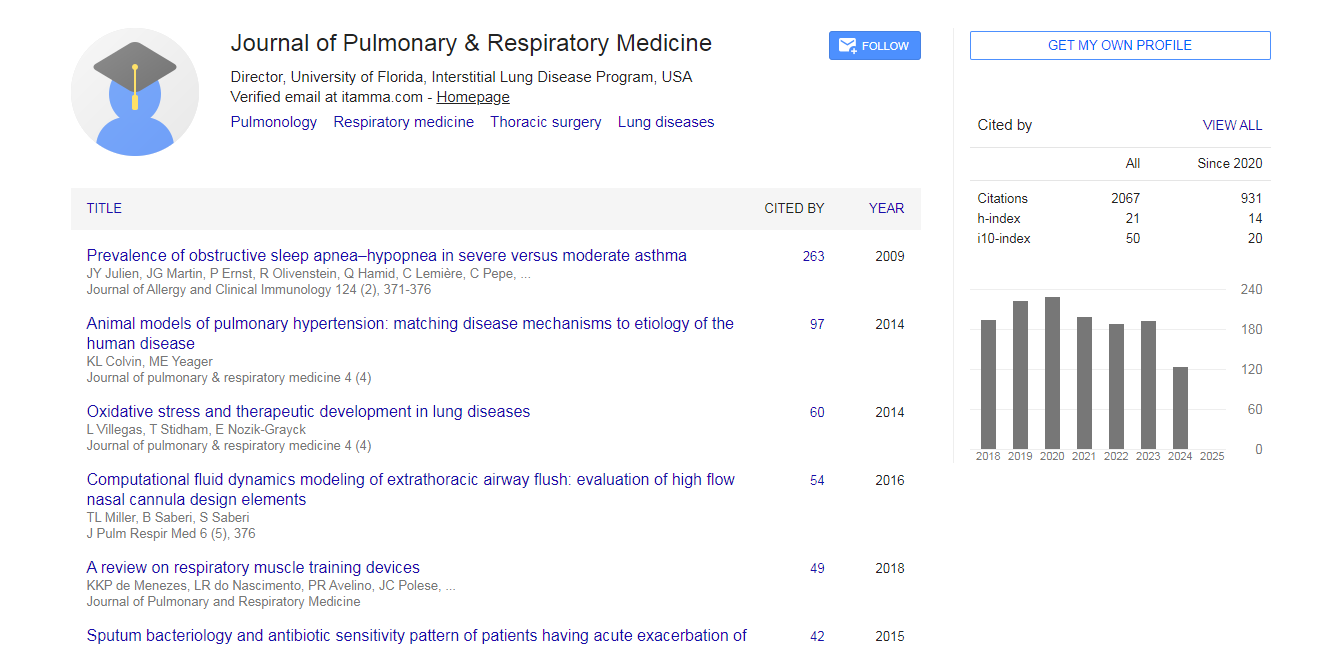
Pulmonary & Respiratory Medicine received 1690 citations as per Google Scholar report