Opinion - (2025) Volume 10, Issue 5
Received: 01-Sep-2025, Manuscript No. PE-26-179304;
Editor assigned: 03-Sep-2025, Pre QC No. P-179304;
Reviewed: 17-Sep-2025, QC No. Q-179304;
Revised: 22-Sep-2025, Manuscript No. R-179304;
Published:
29-Sep-2025
, DOI: 10.37421/2472-1042.2025.10.304
Citation: Kostić, Ivana. ”Cancer Immunotherapy Costs: Real- World Economic Considerations.” Pharmacoeconomics 10 (2025):304.
Copyright: © 2025 Kostić I. This is an open-access article distributed under the terms of the Creative Commons Attribution License, which permits unrestricted use, distribution and reproduction in any medium, provided the original author and source are credited.
The economic landscape of cancer immunotherapies is a subject of intense scrutiny and evolving understanding. Analyzing the real-world costs associated with these groundbreaking treatments reveals a complex interplay of factors. Drug acquisition, the intricacies of administration, rigorous monitoring protocols, and the management of potential adverse events all contribute to significant financial variations. These detailed cost analyses are therefore indispensable for both payers and healthcare providers, offering critical insights into the long-term economic implications of immunotherapy adoption and informing strategic decisions regarding resource allocation within healthcare systems. The profound impact of these therapies necessitates a thorough understanding of their financial footprint to ensure sustainable and equitable access. [1] As the field progresses, real-world evidence (RWE) is increasingly being gathered to assess the comparative effectiveness and cost-effectiveness of diverse immunotherapy regimens. This emerging body of evidence underscores the critical need to integrate comprehensive long-term survival data and quantifiable improvements in quality of life into economic models. Such integration is vital for a complete and accurate capture of the true value these advanced treatments offer to patients and the healthcare system alike. The focus is shifting towards a more holistic assessment of therapeutic benefits. [2] The burgeoning concern surrounding the financial toxicity experienced by cancer patients undergoing immunotherapy cannot be overstated. Patients frequently encounter substantial out-of-pocket expenses, encompassing co-pays, deductibles, and the costs associated with essential supportive care. This financial burden necessitates the urgent development and implementation of effective strategies aimed at mitigating its adverse impact on individuals and families. Addressing this issue is paramount to ensuring patient adherence and reducing treatment-related distress. [3] Health technology assessments (HTAs) serve a crucial function in the rigorous evaluation of novel cancer immunotherapies. These assessments extend beyond the mere consideration of direct medical costs, often encompassing a broader perspective that includes significant societal impacts. Factors such as lost productivity due to illness and the burden placed on caregivers are increasingly being factored into these comprehensive value assessments. This broader economic lens provides a more complete picture of the societal return on investment. [4] Accurate predictions of future healthcare costs are intrinsically linked to the ability to reliably forecast immunotherapy uptake and project long-term patient outcomes. The critical role of real-world data in refining these predictive models cannot be emphasized enough. By continuously analyzing real-world data, healthcare systems can gain a more nuanced understanding of the evolving economic landscape of cancer care and adapt their planning accordingly. The dynamic nature of treatment requires adaptable economic foresight. [5] The cost-effectiveness of immunotherapy interventions can exhibit considerable variability, contingent upon specific cancer types and the stage of therapy. Early indications suggest that, within certain therapeutic indications, immunotherapies demonstrate a favorable cost per quality-adjusted life year (QALY) when contrasted with conventional treatment modalities. This is particularly true when durable treatment responses are achieved and sustained over time. Such findings are pivotal for evidence-based clinical decision-making. [6] The implementation of immunotherapy within existing healthcare systems can impose significant strain on budgetary resources. This is primarily attributable to the high acquisition costs of these agents and the requisite development of specialized infrastructure for meticulous patient monitoring and the effective management of treatment-related toxicities. Consequently, innovative approaches such as value-based pricing and risk-sharing agreements are actively being explored and debated. The financial sustainability of widespread immunotherapy use is a key concern. [7] Comparative cost-effectiveness analyses are fundamental to guiding both clinical practice and formulary decisions concerning the adoption of new immunotherapies. These analytical studies frequently involve the construction of intricate models that judiciously incorporate a diverse array of data sources. This includes meticulously gathered clinical trial data, real-world patient outcomes, and detailed cost data to provide a comprehensive economic evaluation. The complexity of these analyses reflects the multifaceted nature of treatment value. [8] While immunotherapies may offer substantial long-term cost savings, such as a diminished need for subsequent treatment interventions and enhanced patient productivity, these benefits are often inadequately captured in short-term economic evaluations. A thorough comprehension of these enduring, long-term advantages is absolutely essential for conducting a truly comprehensive economic assessment that reflects the full impact of these innovative therapies. Maximizing the capture of long-term benefits is crucial for robust economic justification. [9] Real-world cost analyses of cancer immunotherapies underscore the imperative to consider all integral components of patient care. This holistic approach encompasses not only the direct costs of the drugs themselves but also the expenses related to administration, essential supportive therapies, and the often-complex management of treatment-induced toxicities. Such comprehensive analyses are instrumental in informing budget impact models and equipping health systems with the necessary insights to prepare effectively for the introduction of new therapeutic agents. A comprehensive view of costs is essential for sound financial planning. [10]
The initial analysis of real-world costs for cancer immunotherapies highlights a significant spectrum of expenditures, driven by factors such as the procurement price of the drugs, the logistics of their administration, the continuous need for patient monitoring, and the resources required for managing adverse events. These detailed cost examinations are crucial for healthcare payers and providers, enabling them to grasp the long-term economic consequences and make informed decisions regarding treatment selection and the allocation of financial resources within their respective healthcare systems. The multifaceted nature of these costs demands careful consideration. [1] Concurrent with the advancement of immunotherapeutic approaches, the generation of real-world evidence (RWE) concerning their comparative effectiveness and cost-effectiveness is steadily increasing. This growing body of RWE emphasizes the critical requirement to incorporate long-term survival metrics and tangible improvements in health-related quality of life into economic modeling frameworks. Such an integrated approach is essential to fully appraise the overall value proposition of these treatments. The shift towards evidence-based value assessment is evident. [2] A growing concern within the oncology community pertains to the phenomenon of financial toxicity experienced by patients undergoing immunotherapy. Patients frequently confront considerable financial obligations in the form of co-pays, deductibles, and outlays for necessary supportive care services. This economic strain necessitates the proactive development and implementation of targeted strategies designed to alleviate this patient-centric financial burden. Patient financial well-being is a critical aspect of care. [3] Health technology assessment (HTA) bodies play an instrumental role in the systematic evaluation of the value proposition of novel immunotherapies. These assessments typically broaden their scope beyond direct medical costs to encompass wider societal impacts. This expanded view frequently includes the economic consequences of lost productivity and the caregiving responsibilities shouldered by family members. A comprehensive societal perspective enhances the evaluation process. [4] Forecasting future healthcare expenditures necessitates the development of accurate predictive models that account for anticipated trends in immunotherapy uptake and the long-term clinical trajectories of patients. The continuous analysis of real-world data is therefore paramount for refining these forecasting models and for cultivating a deeper understanding of the evolving economic dynamics within the field of cancer care. Data-driven forecasting is key to proactive planning. [5] It is important to recognize that the cost-effectiveness of immunotherapy interventions can exhibit considerable variability, influenced by factors such as the specific type of cancer being treated and the line of therapy. Preliminary evidence suggests that in certain clinical scenarios, immunotherapies offer a cost-effectiveness profile that is favorable compared to traditional therapeutic options, particularly when durable responses are achieved. Context-specific evaluations are crucial for understanding value. [6] The successful implementation of immunotherapy within healthcare settings can exert considerable pressure on existing healthcare budgets. This is primarily due to the high upfront costs associated with these agents and the necessity of establishing specialized infrastructure for comprehensive patient monitoring and the expert management of treatment-induced toxicities. Consequently, innovative financial mechanisms, such as value-based pricing and risk-sharing arrangements, are under active investigation. Financial sustainability is a key consideration for widespread adoption. [7] Conducting comparative cost-effectiveness analyses is a fundamental step in guiding both clinical decision-making and formulary inclusion processes for immunotherapies. These analytical endeavors typically involve the utilization of sophisticated modeling techniques that meticulously integrate data derived from clinical trials, real-world patient outcomes, and comprehensive cost information. Rigorous economic modeling supports informed choices. [8] The potential for long-term economic advantages stemming from immunotherapy, such as a reduction in the need for subsequent treatments and an improvement in patient productivity, is frequently not fully accounted for in short-term economic evaluations. A comprehensive understanding of these protracted benefits is therefore essential for a complete and accurate economic assessment of these innovative therapies. Capturing the full duration of benefits is vital for a complete economic picture. [9] Real-world cost analyses focusing on cancer immunotherapies highlight the critical importance of a comprehensive evaluation that encompasses all aspects of patient care. This holistic approach includes the direct drug costs, the expenses associated with administration, the provision of supportive therapies, and the intricate management of treatment-related toxicities. These analyses provide essential data for budget impact models, aiding healthcare systems in their preparedness for the integration of new therapeutic options. A comprehensive cost perspective informs budgetary planning. [10]
Cancer immunotherapies present significant real-world cost variations due to drug acquisition, administration, monitoring, and adverse event management. These costs are crucial for payers and providers to understand long-term economic impacts and inform decisions. Emerging real-world evidence on comparative effectiveness and cost-effectiveness highlights the need to integrate long-term survival and quality-of-life data into economic models. Financial toxicity is a growing concern, with patients facing substantial out-of-pocket expenses. Health technology assessments evaluate novel immunotherapies, considering societal impacts beyond direct medical costs. Forecasting future healthcare costs relies on accurate predictions of immunotherapy uptake and long-term outcomes, with real-world data being essential for refining these models. Cost-effectiveness can vary by cancer type and therapy line, with some immunotherapies showing favorable cost-per-QALY ratios. Implementation strains budgets due to high costs and specialized infrastructure needs, prompting exploration of value-based pricing. Comparative cost-effectiveness analyses are vital for guiding clinical practice and formulary decisions, employing complex modeling. Long-term cost savings from immunotherapies are often not fully captured in short-term analyses. Real-world cost analyses emphasize considering all components of care for informed budget impact models.
None
None
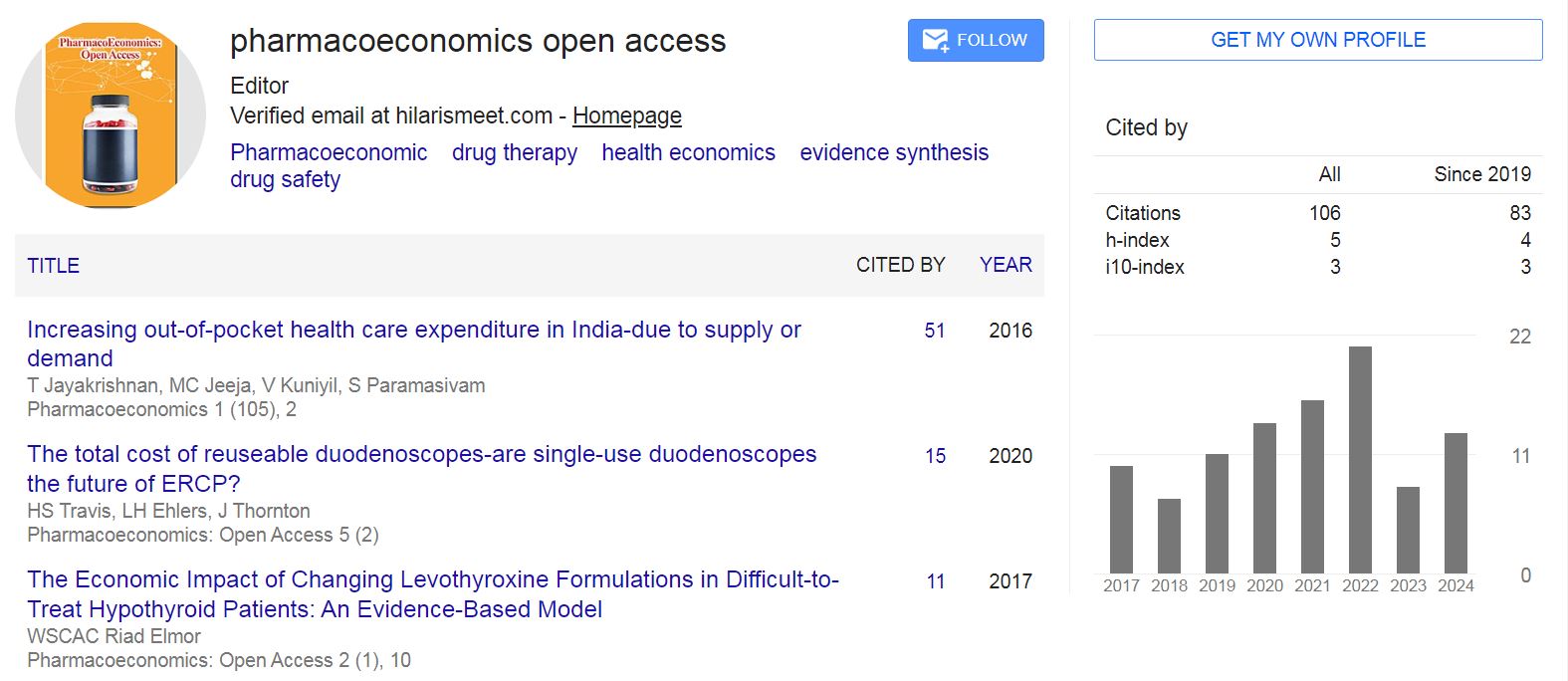
Pharmacoeconomics: Open Access received 106 citations as per Google Scholar report