Opinion - (2025) Volume 10, Issue 2
Received: 02-Mar-2025, Manuscript No. PE-26-179248;
Editor assigned: 04-Mar-2025, Pre QC No. P-179248;
Reviewed: 18-Mar-2025, QC No. Q-179248;
Revised: 24-Mar-2025, Manuscript No. R-179248;
Published:
31-Mar-2025
, DOI: 10.37421/2472-1042.2025.10.273
Citation: Nishimura, Haruto. ”Budget Impact Analysis: New Drug Adoption In Healthcare.” Pharmacoeconomics 10 (2025):273.
Copyright: © 2025 Nishimura H. This is an open-access article distributed under the terms of the Creative Commons Attribution License, which permits unrestricted use, distribution and reproduction in any medium, provided the original author and source are credited.
The integration of novel drug formulations into public healthcare systems necessitates a thorough budget impact analysis (BIA). These analyses are crucial for understanding the financial consequences of adopting new treatments, which often involve higher upfront costs but may yield long-term savings through improved efficacy, reduced hospitalizations, or enhanced patient quality of life. This review emphasizes the importance of robust methodologies in BIAs, considering factors such as patient population size, treatment duration, existing treatment costs, and potential indirect costs or savings. It highlights the need for transparent assumptions and sensitivity analyses to account for uncertainties in uptake, effectiveness, and resource utilization. Ultimately, effective BIAs empower policymakers to make informed decisions that balance clinical benefits with fiscal sustainability. Evaluating the budget impact of new pharmaceutical formulations requires a comprehensive understanding of how they fit within the existing treatment landscape. This analysis often compares the costs and consequences of adopting a new drug against the current standard of care. Key considerations include the incremental cost per patient, projected market share, and the timeframe for evaluating budget impact. The article stresses the importance of utilizing real-world data where possible to inform these projections and acknowledges the challenge of predicting long-term cost offsets, such as reduced need for concomitant medications or fewer adverse events. The advent of new drug formulations, particularly those offering improved delivery mechanisms or expanded therapeutic windows, presents unique challenges for budget impact analysis in public health settings. These innovations can alter treatment adherence, reduce administration-related costs (e.g., fewer clinic visits), and potentially improve patient outcomes, all of which have budget implications. This work delves into the specific methodologies for capturing these nuanced effects, emphasizing the need to move beyond simple per-unit drug cost comparisons. It advocates for detailed modeling of resource utilization changes and the inclusion of patient-reported outcomes when assessing budget impact. When public healthcare systems consider adopting new drug formulations, understanding the 'budget impact' versus 'cost-effectiveness' is critical. While cost-effectiveness focuses on the value for money, budget impact analysis deals with the actual financial outflow over a specific period. This article clarifies this distinction and explores how novel formulations, even if cost-effective, might strain immediate budgets due to large patient populations or high acquisition costs. It examines the role of negotiation, volume discounts, and phased implementation strategies in mitigating budget impact. The economic evaluation of new drug formulations in public healthcare is incomplete without a robust budget impact analysis. This study explores how different formulations of existing drugs can alter overall expenditure, considering factors like simplified dosing regimens, reduced need for specialized administration, and improved patient compliance. The analysis emphasizes the importance of detailed pharmacoeconomic modeling that captures these varied influences on direct and indirect healthcare costs, as well as potential impacts on workforce productivity. Public healthcare systems face increasing pressure to adopt innovative drug formulations that promise better patient outcomes, but the financial feasibility remains a key concern. This article examines the critical role of budget impact analysis in guiding these decisions, particularly for novel formulations that may target niche patient populations or offer significant improvements over existing therapies. It discusses the development of standardized frameworks for BIAs to ensure consistency and comparability across different drug assessments, focusing on the identification of all relevant cost drivers and potential savings. The introduction of new drug formulations, especially those designed for enhanced efficacy or patient convenience, requires careful budget impact assessment within public healthcare systems. This research explores the challenges and opportunities presented by these innovations, focusing on how to accurately forecast changes in healthcare resource utilization and patient expenditure. The authors advocate for dynamic modeling approaches that can adapt to evolving treatment paradigms and patient demographics, ensuring that budget impact analyses remain relevant and informative. Budget impact analysis is a cornerstone of pharmaceutical policy, and the introduction of new drug formulations adds layers of complexity. This paper provides a comprehensive overview of the considerations involved in evaluating the financial consequences of adopting these advanced therapies within public healthcare settings. It highlights the need to account for factors such as improved disease management, potential reduction in long-term complications, and the varying uptake rates across different patient cohorts. The authors also discuss the importance of transparency in reporting assumptions and the use of sensitivity analyses to address uncertainty. The successful integration of new drug formulations into public healthcare systems hinges on effective budget impact analyses that accurately reflect their financial implications. This study examines the specific methodologies used to assess the budgetary consequences of these innovative treatments, considering factors like mode of administration, patient adherence, and potential for reduced hospitalizations. It emphasizes the crucial role of stakeholder engagement and the use of evidence-based data to ensure the reliability of budget impact forecasts. Budget impact analysis is indispensable for public healthcare systems when considering new drug formulations. This research explores the critical elements of such analyses, including patient population segmentation, treatment pathway modeling, and the estimation of direct and indirect cost savings or increases. The authors highlight the importance of considering the long-term budget implications, not just the immediate financial impact, and advocate for the use of probabilistic sensitivity analyses to explore the impact of key uncertainties on the budget.
The integration of novel drug formulations into public healthcare systems mandates a thorough budget impact analysis (BIA). These analyses are vital for understanding the financial ramifications of adopting new treatments, which often entail higher initial expenditures but can lead to long-term savings through enhanced efficacy, reduced hospitalizations, or improved patient quality of life. This review underscores the significance of robust methodologies in BIAs, incorporating elements like patient population size, treatment duration, existing treatment costs, and potential indirect costs or savings. It emphasizes the necessity of transparent assumptions and sensitivity analyses to manage uncertainties in uptake, effectiveness, and resource utilization. Ultimately, effective BIAs equip policymakers to make judicious decisions that balance clinical advantages with fiscal sustainability. Evaluating the budget impact of new pharmaceutical formulations demands a comprehensive grasp of their positioning within the current treatment paradigm. This analysis typically contrasts the costs and outcomes of adopting a new drug with the established standard of care. Principal considerations involve the incremental cost per patient, anticipated market penetration, and the designated timeframe for budget impact assessment. The article stresses the utility of real-world data for informing these projections and acknowledges the inherent difficulty in forecasting long-term cost offsets, such as diminished reliance on concomitant medications or fewer adverse events. The emergence of new drug formulations, particularly those featuring advanced delivery mechanisms or extended therapeutic windows, introduces distinct challenges for budget impact analysis within public health contexts. These innovations can influence treatment adherence, decrease administration-related expenses (e.g., fewer clinic visits), and potentially elevate patient outcomes, all of which carry budget implications. This work scrutinizes the specific methodologies for quantifying these subtle effects, stressing the need to transcend simple comparisons of per-unit drug costs. It champions detailed modeling of alterations in resource utilization and the incorporation of patient-reported outcomes when assessing budget impact. When public healthcare systems contemplate the adoption of new drug formulations, discerning between 'budget impact' and 'cost-effectiveness' is paramount. While cost-effectiveness evaluates value for money, budget impact analysis addresses the actual financial expenditures over a defined period. This article elucidates this distinction and examines how novel formulations, even if cost-effective, might strain immediate budgets due to large patient cohorts or substantial acquisition costs. It explores the influence of negotiation, volume-based discounts, and staged implementation strategies in mitigating budget impact. The economic appraisal of new drug formulations within public healthcare remains incomplete without a rigorous budget impact analysis. This study investigates how distinct formulations of existing drugs can affect overall spending, accounting for factors such as simplified dosing schedules, reduced requirements for specialized administration, and improved patient compliance. The analysis highlights the importance of sophisticated pharmacoeconomic modeling that captures these diverse impacts on direct and indirect healthcare expenditures, as well as potential effects on workforce productivity. Public healthcare systems are under increasing pressure to embrace innovative drug formulations that promise superior patient outcomes, yet financial feasibility remains a central concern. This article dissects the critical function of budget impact analysis in guiding these decisions, especially for novel formulations targeting specific patient groups or offering substantial improvements over current therapies. It discusses the development of standardized frameworks for BIAs to ensure uniformity and comparability across diverse drug evaluations, focusing on the identification of all relevant cost drivers and potential savings. The introduction of new drug formulations, particularly those designed for enhanced efficacy or patient convenience, necessitates careful budget impact assessment within public healthcare systems. This research probes the challenges and opportunities presented by these innovations, concentrating on methods for accurately forecasting shifts in healthcare resource utilization and patient outlays. The authors endorse dynamic modeling approaches capable of adapting to evolving treatment paradigms and patient demographics, thereby ensuring the continued relevance and informativeness of budget impact analyses. Budget impact analysis serves as a fundamental tool in pharmaceutical policy, and the advent of new drug formulations introduces additional complexities. This paper offers a thorough review of the factors involved in assessing the financial consequences of adopting these advanced therapies in public healthcare settings. It underscores the necessity of considering aspects such as improved disease management, the potential for reduced long-term complications, and variability in uptake rates across patient cohorts. The authors also address the significance of transparency in reporting assumptions and the application of sensitivity analyses to address uncertainty. The effective integration of new drug formulations into public healthcare systems is contingent upon robust budget impact analyses that accurately represent their financial implications. This study scrutinizes the specific methodologies employed to evaluate the budgetary consequences of these innovative treatments, taking into account factors like administration method, patient adherence, and the potential for decreased hospitalizations. It underscores the vital role of stakeholder involvement and the utilization of evidence-based data to guarantee the dependability of budget impact projections. Budget impact analysis is an essential component for public healthcare systems contemplating new drug formulations. This research examines the critical elements of such analyses, encompassing patient population segmentation, treatment pathway modeling, and the estimation of direct and indirect cost savings or increases. The authors emphasize the importance of considering the long-term budget implications, beyond immediate financial impacts, and advocate for the use of probabilistic sensitivity analyses to explore the influence of key uncertainties on the budget.
This collection of research highlights the critical importance of budget impact analysis (BIA) for public healthcare systems when considering the adoption of new drug formulations. BIAs are essential for understanding the financial consequences of these innovations, which often involve higher upfront costs but can lead to long-term savings through improved efficacy and reduced resource utilization. Key factors in BIAs include patient population, treatment duration, existing costs, and potential indirect savings. The research emphasizes the need for robust methodologies, transparent assumptions, sensitivity analyses, and the use of real-world data. It also distinguishes BIA from cost-effectiveness analysis and discusses strategies for mitigating budget impact, such as negotiation and phased implementation. The importance of dynamic modeling and stakeholder engagement is also noted to ensure accurate and relevant financial assessments.
None
None
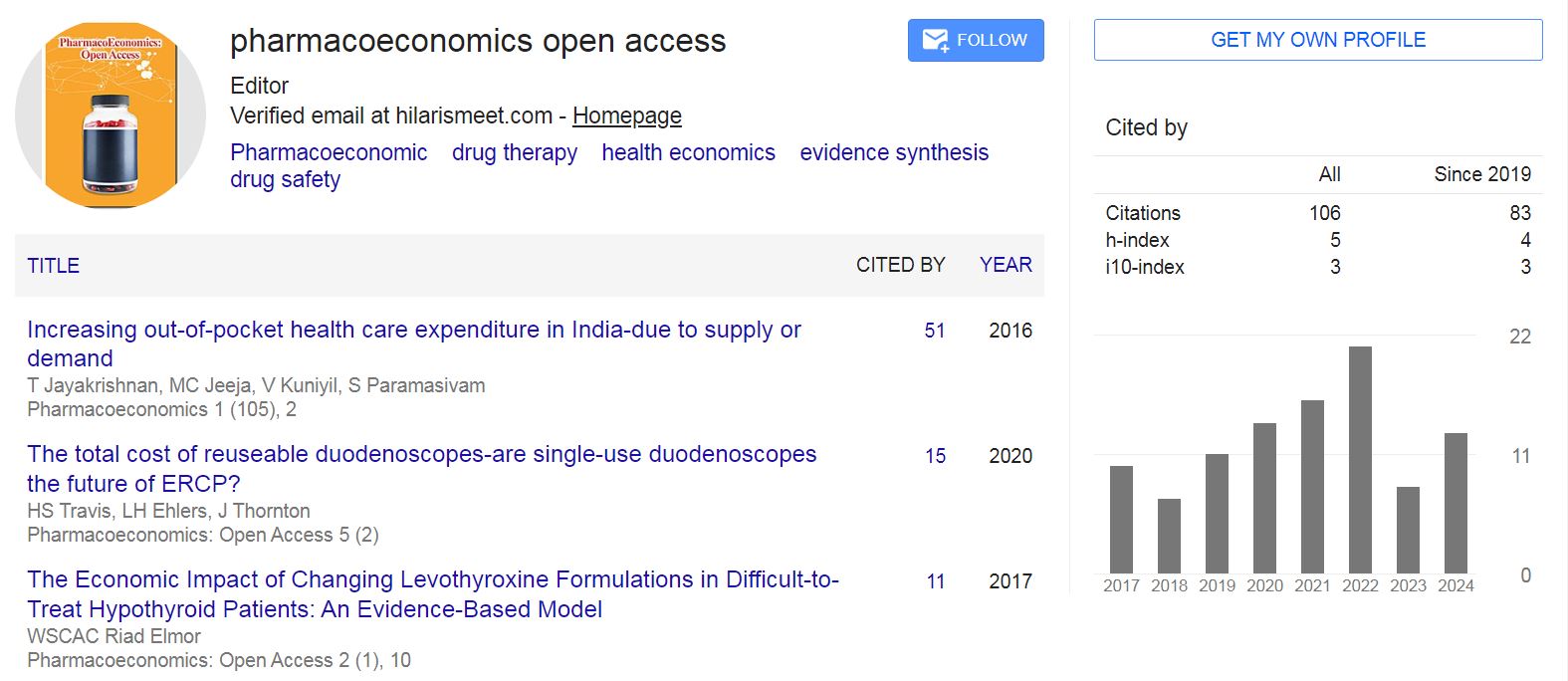
Pharmacoeconomics: Open Access received 106 citations as per Google Scholar report