Commentary - (2025) Volume 14, Issue 2
Received: 01-Jun-2025, Manuscript No. jms-25-172629;
Editor assigned: 03-Jun-2025, Pre QC No. P-172629;
Reviewed: 17-Jun-2025, QC No. Q-172629;
Revised: 23-Jun-2025, Manuscript No. R-172629;
Published:
30-Jun-2025
, DOI: 10.37421/2167-0943.2024.13.401
Citation: Finley, Cormac. ”Bariatric Surgery: Beyond Weight, Lifelong Health Gains.” J Metabolic Synd 14 (2025):401.
Copyright: © 2025 Finley C. This is an open-access article distributed under the terms of the Creative Commons Attribution License, which permits unrestricted use, distribution
and reproduction in any medium, provided the original author and source are credited.
Bariatric surgery has emerged as a crucial intervention for severe obesity, demonstrating diverse and profound benefits. Evidence clearly shows that this surgery achieves significant and sustained weight loss over many years, proving its durable impact even among older, often sicker populations like Medicare beneficiaries. This reinforces the medical necessity and considerable benefits of such interventions, suggesting a viable, long-term solution for severe obesity in groups with higher baseline health risks [1].
Beyond mere weight reduction, these procedures induce substantial and fundamental metabolic changes, leading to considerable improvements in chronic metabolic conditions such as Type 2 Diabetes, dyslipidemia, and hypertension [3].
What this really means is that bariatric surgery acts as a powerful metabolic intervention that effectively alters gut hormones, bile acid metabolism, and the gut microbiome. This drives lasting remission or significant improvement of various obesity-related comorbidities, moving beyond just cosmetic outcomes [3].
On a global scale, a powerful message from meta-analyses confirms the effectiveness of bariatric surgery in inducing remission of Type 2 Diabetes. This provides compelling evidence that surgical intervention frequently outperforms conventional medical therapy in achieving long-term diabetes remission or substantial improvement, reshaping the understanding of how to manage this chronic disease [5].
Furthermore, extensive studies provide critical data highlighting significantly lower all-cause mortality rates for patients undergoing bariatric surgery compared to control groups with severe obesity who did not receive surgical intervention. This compelling insight reveals that bariatric surgery is not merely about weight loss but also a life-extending intervention, reinforcing its profound impact on patient longevity and overall health outcomes [9].
The impact of bariatric surgery also extends to the health-related quality of life, particularly for adolescents and young adults. Beyond the immediate physical changes, surgery significantly improves their overall well-being, encompassing mental and social functioning. This is a crucial insight, showing that bariatric surgery offers a comprehensive benefit for younger patients, helping them lead more fulfilling lives, not just healthier ones, thereby underscoring the holistic advantages of early intervention [6].
Concurrently, a systematic review and meta-analysis synthesizes evidence on the psychological outcomes following these procedures, generally showing improvements in depression, anxiety, and overall psychological well-being [8].
However, it also flags the importance of pre-operative psychological screening and post-operative mental health support to optimize patient outcomes and address any potential challenges that may arise after surgery, ensuring a holistic approach to patient care [8].
However, the influence of bariatric surgery on gastroesophageal reflux disease (GERD) is nuanced and varies by procedure [2].
While some procedures, such as Roux-en-Y gastric bypass, often improve or resolve GERD symptoms, others, like sleeve gastrectomy, might sometimes exacerbate them or even induce new onset GERD. These findings underscore the critical importance of careful patient selection and procedural choice, ensuring the chosen surgery aligns with an individual's specific health profile, especially concerning pre-existing GERD [2].
A comparison of sleeve gastrectomy and Roux-en-Y gastric bypass for severe obesity is a significant area of research, with systematic reviews and meta-analyses shedding light on their long-term effectiveness [7].
The findings help clarify which procedure offers superior weight loss maintenance, resolution of comorbidities, and favorable complication profiles over extended periods. This comprehensive comparison empowers surgeons and patients to make more informed decisions, tailoring the surgical approach to individual patient needs and long-term health goals [7].
Identifying key predictors for long-term weight outcomes following bariatric surgery is crucial for optimizing patient pathways. This involves looking at both patient characteristics and specific surgical factors [4].
These insights help clinicians better counsel patients about realistic expectations and could refine patient selection criteria, ensuring that individuals undergoing surgery have the best chance for enduring success and beneficial results [4].
Finally, a deep dive into the nutritional landscape after bariatric surgery reveals the absolute necessity of lifelong nutritional supplementation and regular monitoring [10].
This review meticulously outlines common micronutrient and macronutrient deficiencies that can occur post-operatively, such as iron, Vitamin B12, folate, calcium, and Vitamin D. Preventing these deficiencies ensures patients maintain optimal health and avoid long-term complications following their surgery, highlighting a critical aspect of post-operative care [10].
Bariatric surgery has established itself as a remarkably effective and durable intervention for managing severe obesity. Studies consistently show that it leads to significant and sustained weight loss over many years, with a particularly durable impact even in older, often sicker populations such as Medicare beneficiaries [1]. This sustained weight loss is not just an aesthetic outcome; it translates into profound health benefits. One of the most compelling findings is that patients undergoing bariatric surgery experience significantly lower all-cause mortality rates compared to severely obese control groups who do not undergo surgery. This underscores that bariatric surgery is a life-extending intervention, fundamentally impacting patient longevity and overall health outcomes [9].
Beyond weight reduction, the procedures induce extensive metabolic changes. They lead to substantial improvements in critical metabolic conditions like Type 2 Diabetes, dyslipidemia, and hypertension [3]. What this really means is that bariatric surgery functions as a powerful metabolic intervention, reshaping gut hormones, bile acid metabolism, and the gut microbiome. This drives lasting remission or significant improvement in a wide range of obesity-related comorbidities, proving it is far more than just a weight loss tool. A global meta-analysis further emphasizes this by providing compelling evidence that surgical intervention often outperforms conventional medical therapy in achieving long-term remission or significant improvement of Type 2 Diabetes. This positions bariatric surgery as a highly effective, and often curative, treatment option for individuals battling obesity-related Type 2 Diabetes [5].
The benefits of bariatric surgery extend beyond physical health, significantly enhancing health-related quality of life. For adolescents and young adults, surgery improves not only physical aspects but also their overall well-being, encompassing mental and social functioning [6]. This is a crucial insight, showing that bariatric surgery offers a comprehensive benefit for younger patients, helping them lead more fulfilling, not just healthier, lives. Similarly, adults often experience improvements in depression, anxiety, and general psychological well-being following these procedures. However, the importance of pre-operative psychological screening and ongoing post-operative mental health support cannot be overstated. These measures are vital to optimize patient outcomes and address any potential psychological challenges that may emerge after surgery [8].
The choice of bariatric procedure requires careful consideration, as outcomes can vary, especially concerning Gastroesophageal Reflux Disease (GERD). While Roux-en-Y gastric bypass often improves or resolves GERD symptoms, other procedures like sleeve gastrectomy might sometimes exacerbate them or induce new onset GERD [2]. This highlights the importance of tailoring the surgical approach to an individual's specific health profile. Furthermore, a systematic review and meta-analysis comparing sleeve gastrectomy and Roux-en-Y gastric bypass provides valuable clarity on their long-term effectiveness, including weight loss maintenance, comorbidity resolution, and complication profiles. This comprehensive comparison empowers surgeons and patients to make more informed decisions aligned with long-term health goals [7].
Identifying key predictors for long-term weight loss outcomes following bariatric surgery is crucial for optimizing patient pathways and setting realistic expectations [4]. This research examines both patient characteristics and surgical factors to help clinicians counsel patients effectively and refine selection criteria for enduring success. Crucially, the post-operative period necessitates meticulous attention to nutritional needs. A comprehensive review outlines common micronutrient and macronutrient deficiencies that can occur, such as iron, Vitamin B12, folate, calcium, and Vitamin D. What this means is the absolute necessity of lifelong nutritional supplementation and regular monitoring to prevent these deficiencies, ensuring patients maintain optimal health and avoid long-term complications following their surgery [10].
Bariatric surgery is a potent intervention for severe obesity, delivering significant and sustained weight loss, even in older, higher-risk populations like Medicare beneficiaries. Beyond weight reduction, it profoundly impacts metabolic health, leading to substantial improvements in conditions such as Type 2 Diabetes, dyslipidemia, and hypertension. The surgery actively alters gut hormones, bile acid metabolism, and the gut microbiome, driving lasting remission or improvement of obesity-related comorbidities. Global meta-analyses confirm its superiority over conventional medical therapy for Type 2 Diabetes remission, positioning it as a highly effective, often curative, treatment. Crucially, bariatric surgery also extends life, with patients experiencing significantly lower all-cause mortality compared to non-surgical control groups with severe obesity. The benefits extend to health-related quality of life, improving mental and social functioning for adolescents and young adults, alongside general enhancements in psychological well-being, depression, and anxiety among adults. However, procedural choice is critical; while Roux-en-Y gastric bypass often improves Gastroesophageal Reflux Disease, sleeve gastrectomy can sometimes exacerbate it. Comparing procedures like sleeve gastrectomy and Roux-en-Y gastric bypass helps clarify long-term outcomes, while identifying predictors for sustained weight loss assists in patient counseling and selection. What this means for patient care is the absolute necessity of lifelong nutritional supplementation and regular monitoring to manage common post-operative deficiencies and ensure optimal long-term health.
None
None
Indexed at, Google Scholar, Crossref
Indexed at, Google Scholar, Crossref
Indexed at, Google Scholar, Crossref
Indexed at, Google Scholar, Crossref
Indexed at, Google Scholar, Crossref
Indexed at, Google Scholar, Crossref
Indexed at, Google Scholar, Crossref
Indexed at, Google Scholar, Crossref
Indexed at, Google Scholar, Crossref
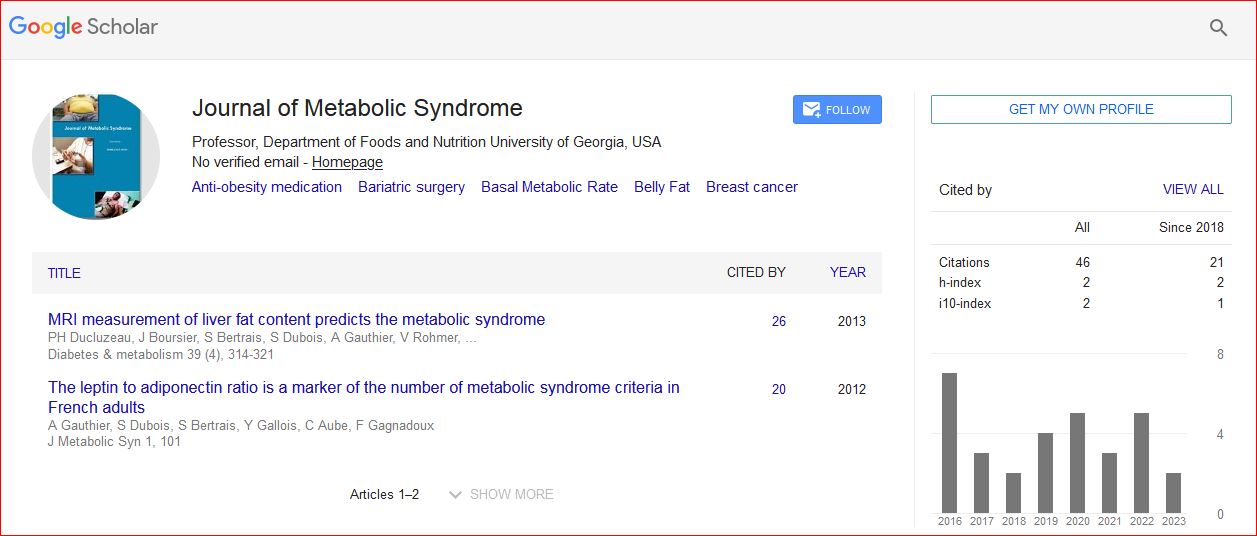
Journal of Metabolic Syndrome received 48 citations as per Google Scholar report