Commentary - (2025) Volume 10, Issue 4
Received: 01-Jul-2025, Manuscript No. PE-26-179296;
Editor assigned: 03-Jul-2025, Pre QC No. P-179296;
Reviewed: 17-Jul-2025, QC No. Q-179296;
Revised: 22-Jul-2025, Manuscript No. R-179296;
Published:
29-Jul-2025
, DOI: 10.37421/2472-1042.2025.10.298
Citation: Noor, Laila. ”Advanced Drug Delivery: Significant Economic Benefits Highlighted.” Pharmacoeconomics 10 (2025):298.
Copyright: © 2025 Noor L. This is an open-access article distributed under the terms of the Creative Commons Attribution License, which permits unrestricted use, distribution and reproduction in any medium, provided the original author and source are credited.
The burgeoning field of advanced drug delivery systems is fundamentally reshaping therapeutic paradigms, offering significant advantages over conventional administration routes. These innovative technologies are meticulously designed to optimize drug release, improve bioavailability, enhance patient adherence, and minimize adverse effects, ultimately leading to improved clinical outcomes. The economic implications of adopting these sophisticated systems are multifaceted, encompassing initial investment, long-term cost savings, and overall healthcare resource utilization. This paper explores the economic implications of adopting novel drug delivery systems, highlighting how improved patient adherence and efficacy can offset higher initial costs. It analyzes the potential for reduced healthcare resource utilization and long-term savings, emphasizing the need for comprehensive pharmacoeconomic evaluations to guide adoption strategies. [1] Focusing on subcutaneous injection technologies, this study quantifies the budget impact of transitioning from intravenous administration for biologics. The findings suggest significant savings in healthcare professional time, reduced infusion center utilization, and improved patient comfort, leading to a favorable overall economic profile for these innovative systems. [2] This article examines the cost-effectiveness of inhaled therapies for respiratory diseases, particularly focusing on the value proposition of advanced inhaler devices. It argues that better lung deposition and reduced medication wastage associated with these systems contribute to improved clinical outcomes and potential cost reductions through fewer exacerbations. [3] The budget impact of transdermal drug delivery systems for chronic pain management is assessed here. The analysis considers factors such as reduced pill burden, improved patient compliance, and decreased risk of gastrointestinal side effects, which can translate into lower overall healthcare expenditures. [4] This review discusses the economic advantages of implantable drug delivery devices for long-term conditions like epilepsy and Parkinson's disease. It emphasizes how these systems can optimize drug levels, minimize fluctuations, and reduce the need for frequent physician visits and hospitalizations, thereby impacting the healthcare budget positively. [5] The pharmacoeconomics of nanoparticle-based drug delivery for cancer treatment is explored. The potential for targeted delivery, reduced systemic toxicity, and improved therapeutic efficacy is evaluated in terms of its impact on treatment costs, hospital stays, and supportive care needs. [6] This study analyzes the budget impact of oral drug delivery systems designed for enhanced bioavailability of poorly soluble drugs. It considers potential savings from reduced dosing frequency and improved patient convenience, alongside the costs associated with formulation development and manufacturing. [7] The economic value of microneedle-based drug delivery for vaccines and therapeutics is investigated. This research assesses how these systems might reduce cold chain requirements, eliminate needle-stick injuries, and potentially allow for home-based administration, thereby influencing overall healthcare costs. [8] This paper focuses on the budget impact of smart drug delivery systems that incorporate sensors for real-time monitoring of adherence and physiological response. The potential for improved treatment outcomes and reduced emergency interventions due to proactive management is analyzed from an economic standpoint. [9] The integration of biodegradable polymers in drug delivery systems is examined for its economic implications. The article discusses how these materials can offer controlled release, reduce the need for repeat surgeries, and improve patient compliance, contributing to a more cost-effective therapeutic approach. [10]
Advanced drug delivery systems represent a significant leap forward in medical treatment, offering tailored and efficient ways to administer therapeutic agents. These systems are engineered to overcome the limitations of traditional drug delivery, such as poor bioavailability, rapid clearance, and non-specific targeting, thereby enhancing therapeutic efficacy and patient safety. This paper explores the economic implications of adopting novel drug delivery systems, highlighting how improved patient adherence and efficacy can offset higher initial costs. It analyzes the potential for reduced healthcare resource utilization and long-term savings, emphasizing the need for comprehensive pharmacoeconomic evaluations to guide adoption strategies. [1] Focusing on subcutaneous injection technologies, this study quantifies the budget impact of transitioning from intravenous administration for biologics. The findings suggest significant savings in healthcare professional time, reduced infusion center utilization, and improved patient comfort, leading to a favorable overall economic profile for these innovative systems. [2] This article examines the cost-effectiveness of inhaled therapies for respiratory diseases, particularly focusing on the value proposition of advanced inhaler devices. It argues that better lung deposition and reduced medication wastage associated with these systems contribute to improved clinical outcomes and potential cost reductions through fewer exacerbations. [3] The budget impact of transdermal drug delivery systems for chronic pain management is assessed here. The analysis considers factors such as reduced pill burden, improved patient compliance, and decreased risk of gastrointestinal side effects, which can translate into lower overall healthcare expenditures. [4] This review discusses the economic advantages of implantable drug delivery devices for long-term conditions like epilepsy and Parkinson's disease. It emphasizes how these systems can optimize drug levels, minimize fluctuations, and reduce the need for frequent physician visits and hospitalizations, thereby impacting the healthcare budget positively. [5] The pharmacoeconomics of nanoparticle-based drug delivery for cancer treatment is explored. The potential for targeted delivery, reduced systemic toxicity, and improved therapeutic efficacy is evaluated in terms of its impact on treatment costs, hospital stays, and supportive care needs. [6] This study analyzes the budget impact of oral drug delivery systems designed for enhanced bioavailability of poorly soluble drugs. It considers potential savings from reduced dosing frequency and improved patient convenience, alongside the costs associated with formulation development and manufacturing. [7] The economic value of microneedle-based drug delivery for vaccines and therapeutics is investigated. This research assesses how these systems might reduce cold chain requirements, eliminate needle-stick injuries, and potentially allow for home-based administration, thereby influencing overall healthcare costs. [8] This paper focuses on the budget impact of smart drug delivery systems that incorporate sensors for real-time monitoring of adherence and physiological response. The potential for improved treatment outcomes and reduced emergency interventions due to proactive management is analyzed from an economic standpoint. [9] The integration of biodegradable polymers in drug delivery systems is examined for its economic implications. The article discusses how these materials can offer controlled release, reduce the need for repeat surgeries, and improve patient compliance, contributing to a more cost-effective therapeutic approach. [10]
This collection of research highlights the significant economic benefits associated with the adoption of advanced drug delivery systems across various therapeutic areas. Studies demonstrate that improved patient adherence and treatment efficacy can often outweigh the initial investment in these novel technologies. Subcutaneous and transdermal systems, for instance, show potential for substantial savings by reducing healthcare professional time, infusion center use, and adverse events. In respiratory diseases, advanced inhalers lead to better outcomes and fewer exacerbations. Implantable devices offer long-term cost-effectiveness for chronic neurological conditions, while nanoparticle-based systems in oncology aim to reduce systemic toxicity and associated costs. Even oral and microneedle-based systems present economic advantages through enhanced bioavailability and simplified administration. Smart delivery systems further contribute by enabling proactive management and reducing emergency interventions. Overall, these innovations promise a more cost-effective and efficient healthcare landscape.
None
None
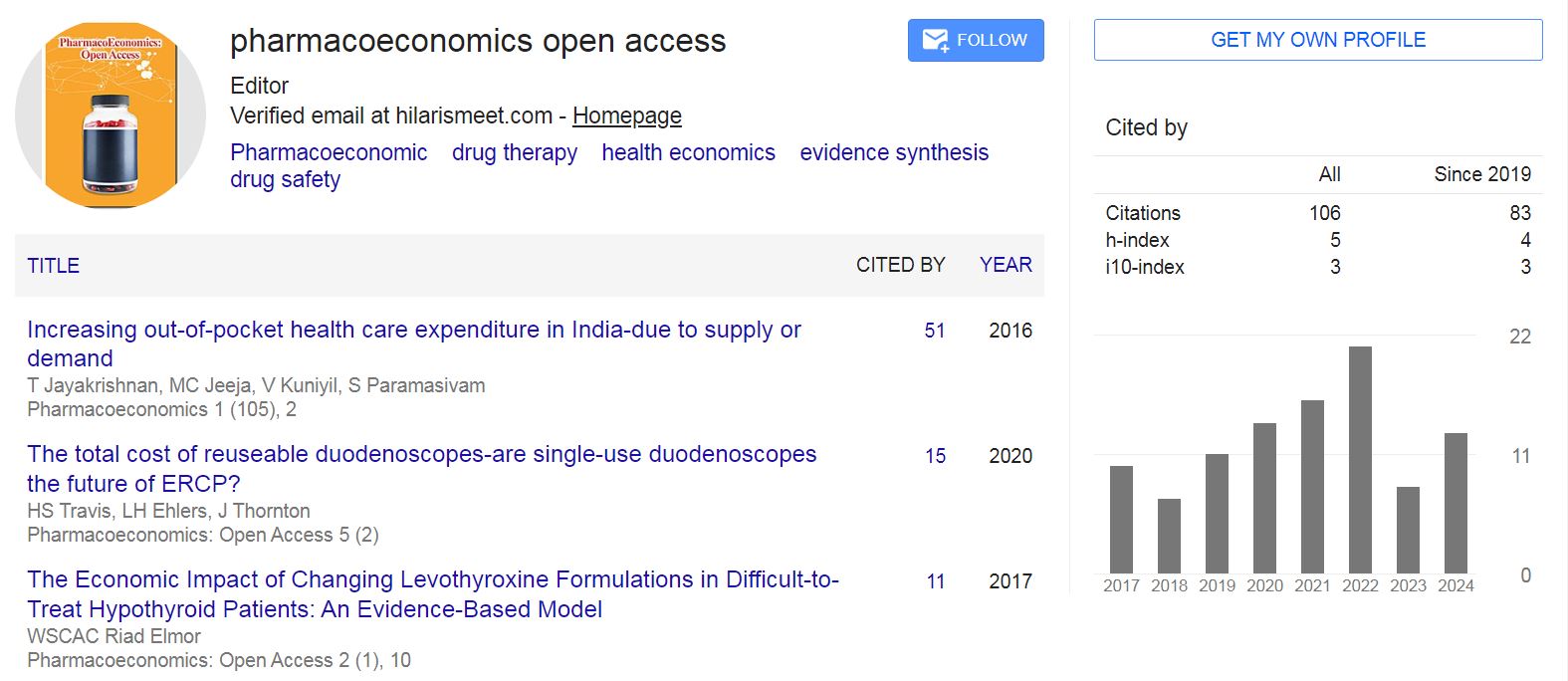
Pharmacoeconomics: Open Access received 106 citations as per Google Scholar report