Qatar Biomedical Research Institute Qatar
Dr Mohammed Dehbi obtained his M.Sc. degree in molecular and cellular biology from Université Louis Pasteur, France in 1988. In 1995, he obtained his Ph.D. in biochemistry from l’Université de Montreal, Canada and conducted postdoctoral training at McGill University, Canada. In 1997, he joined Targanta Therapeutics, which is a Montreal-based bio-pharmaceutical company focusing on developing new classes of antibiotics based on phage genomics. He was later promoted in recognition of his major achievements.
Dr Dehbi’s research focusses on the integration of chronic inflammation and various forms of intracellular stress which are critical to the pathogenesis of a group of obesity-related disorders. The myriad of these disorders includes insulin resistance, diabetes and cardiovascular complications. The goal of his research activity is to determine the physiological and pathophysiological consequences of the connection between inflammatory and stress responses on obesity, insulin resistance and diabetes. He has a particular emphasis on the role of lifestyle interventions, such as physical exercise and healthy diet. Over the last 3 years, his efforts have been devoted to understanding the role and mechanisms by which physical exercise modulates the inflammatory and metabolic stresses in obese/diabetic subjects. Accordingly, his group identified for the first time two protein candidates namely DNAJB3; a member of the heat shock protein-40 (HSP-40) and the histone deacetylase-4 (HDAC4) which were significantly downregulated in obese/diabetic patients and up-regulated by physical exercise. At QBRI, Dr Dehbi is vigorously expanding his research to understand the role of DNAJB3 and HDAC4 on glucose homeostasis and insulin signaling using animal models. He hopes to provide new therapeutic and preventative strategies for these metabolic diseases.
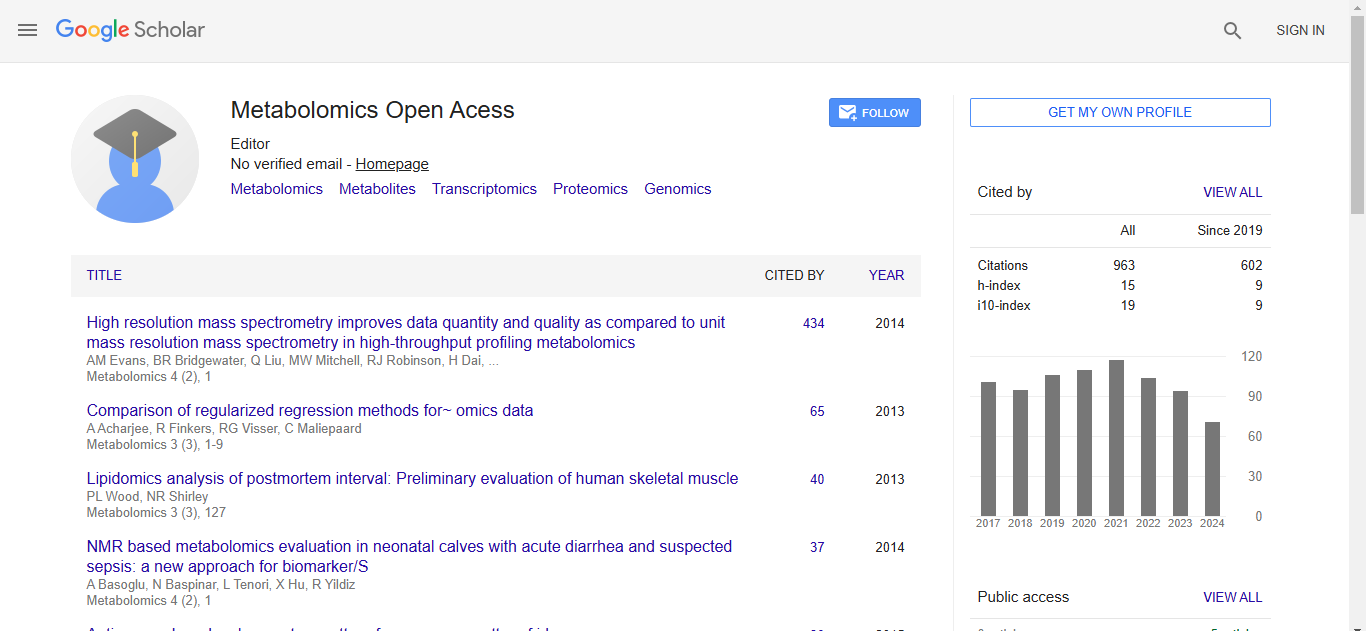
Metabolomics:Open Access received 895 citations as per Google Scholar report
 Spanish
  Chinese
  Russian
  German
  French
  Japanese
  Portuguese
  Hindi
Hindi 