Ahmed Al-Samari
United Arab Emirates University, UAE
Posters & Accepted Abstracts: J Diabetic Complications Med
Obesity-induced insulin resistance remains a major contributor to the global burden of Type 2 diabetes and metabolic syndrome. Emerging evidence highlights the gut microbiota as a crucial regulator of host metabolism, influencing inflammatory processes, energy balance, and insulin signaling pathways. This presentation explores the mechanistic links between dysbiosis and metabolic dysfunction, with emphasis on microbial metabolites such as short-chain fatty acids (SCFAs), lipopolysaccharides (LPS), and bile acid derivatives. Recent studies demonstrate that gut microbial diversity and the relative abundance of beneficial taxa such as Akkermansia muciniphila and Bifidobacterium are significantly reduced in individuals with obesity and insulin resistance. Dysbiosis contributes to impaired intestinal barrier integrity, resulting in metabolic endotoxemia and chronic low-grade inflammation, which disrupt insulin receptor signaling in peripheral tissues. This session will analyze findings from clinical interventions including prebiotic and probiotic supplementation, dietary fiber enrichment, fecal microbiota transplantation (FMT), and personalized nutrition guided by microbiome profiles. Results indicate that targeted modulation of gut microbiota can enhance insulin sensitivity, reduce systemic inflammation, and improve glucose metabolism. The abstract also discusses future directions in microbiome-based therapeutics, including postbiotics, engineered microbial strains, and AI-supported microbiome metabolic modeling. These innovations promise a new era of microbiome-guided endocrinology, with the potential to transform the prevention and management of metabolic disorders.
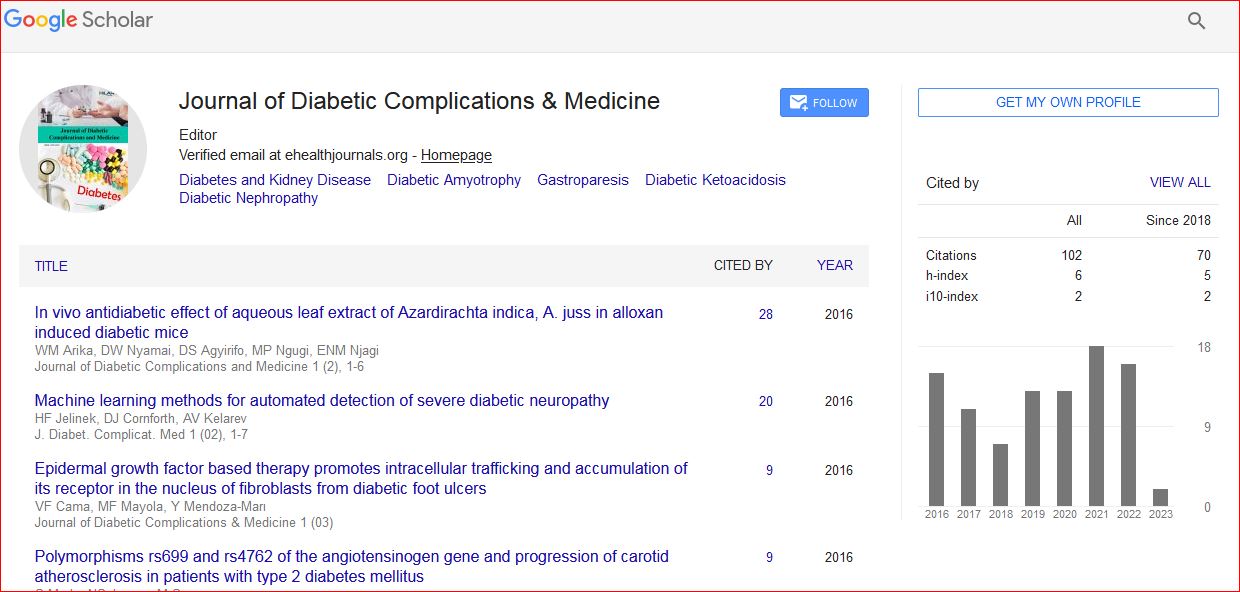
Journal of Diabetic Complications & Medicine received 102 citations as per Google Scholar report
 Spanish
  Chinese
  Russian
  German
  French
  Japanese
  Portuguese
  Hindi
Hindi 