Opinion - (2025) Volume 19, Issue 2
Received: 01-Apr-2025, Manuscript No. jmgm-26-185638;
Editor assigned: 03-Apr-2025, Pre QC No. P-185638;
Reviewed: 17-Apr-2025, QC No. Q-185638;
Revised: 22-Apr-2025, Manuscript No. R-185638;
Published:
29-Apr-2025
, DOI: 10.37421/1747-0862.2025.19.720
Citation: Khalid, Omar. ”Protein Misfolding: Genetic Causes, Cellular Defense, and Therapies.” J Mol Genet Med 19 (2025):720.
Copyright: © 2025 Khalid O. This is an open-access article distributed under the terms of the Creative Commons Attribution License, which permits unrestricted use, distribution and reproduction in any medium, provided the original author and source are credited.
Protein misfolding stands as a fundamental mechanism underlying a wide array of genetic disorders, inevitably leading to cellular dysfunction and the onset of disease. This pervasive issue often stems from errors in protein folding, frequently triggered by genetic mutations, which can precipitate the accumulation of toxic aggregates within cells. The cellular quality control pathways are designed to manage these misfolded proteins, but their eventual failure significantly contributes to disease pathogenesis. Consequently, therapeutic strategies are being developed to target these pathways, aiming to bolster protein folding, facilitate aggregate clearance, or restore compromised cellular functions. The focus remains on elucidating the intricate molecular underpinnings of these disorders and pioneering novel therapeutic interventions [1].
Genetic mutations possess the profound capability to alter protein structure and stability, thereby instigating misfolding and subsequent aggregation. A comprehensive examination of the impact of specific mutations within genes associated with lysosomal storage disorders reveals how these genetic defects compromise the functionality of essential enzymes and transporters, ultimately culminating in disease. This perspective emphasizes the critical role of protein homeostasis and the detrimental consequences arising from its dysregulation in these inherited conditions. Emerging therapeutic modalities, including enzyme replacement therapy and gene therapy, are being explored as potential solutions for effectively managing these complex genetic disorders [2].
Chaperone proteins are indispensable for guiding the intricate process of protein folding and are crucial in preventing the detrimental formation of misfolded structures. Current research is investigating how genetic variations can compromise the efficacy of these chaperones or their downstream targets, leading to a diverse spectrum of genetic disorders. The cellular mechanisms responsible for detecting and responding to protein misfolding, notably the unfolded protein response (UPR), are under close scrutiny. Furthermore, pharmacological strategies designed to augment chaperone activity or modulate the UPR are being explored as ways to mitigate the pathological consequences of misfolded proteins in various genetic conditions [3].
The accumulation of misfolded protein aggregates is a salient characteristic of numerous inherited neurological diseases, including well-known conditions such as Huntington's disease and amyotrophic lateral sclerosis. This line of inquiry focuses on the specific molecular mechanisms that drive the formation and propagation of these inherently toxic protein species. It delves into how particular genetic mutations predispose individuals to these debilitating conditions by destabilizing critical proteins. The therapeutic potential of interventions designed to target protein aggregation, encompassing approaches like small molecule inhibitors and immunotherapy, is being rigorously reviewed within the context of these severe genetic disorders [4].
Cystic fibrosis serves as a quintessential example of a genetic disorder directly caused by mutations in the CFTR gene, which results in the misfolding and impaired trafficking of the CFTR protein. This particular genetic alteration disrupts the protein's structural integrity and functional capacity, leading to severe multi-organ pathology. Consequently, therapeutic strategies are being developed to correct CFTR function, including the use of potentiators and correctors that directly address the molecular defects induced by protein misfolding [5].
This research specifically explores the complex and intertwined relationship between protein misfolding, an individual's genetic predisposition, and the subsequent development of familial amyloid polyneuropathies. It underscores how specific mutations affecting the transthyretin protein lead to the formation of amyloid fibrils, a process that ultimately causes severe and progressive nerve damage. The article provides a detailed examination of the pathophysiology of these disorders and critically reviews both current and nascent therapeutic interventions, such as gene silencing and small molecule stabilizers, which are designed to prevent transthyretin misfolding and the subsequent deposition of amyloid [6].
The ubiquitin-proteasome system (UPS) and autophagy represent critical cellular machinery dedicated to the degradation of misfolded proteins. This article critically examines how deficiencies within these essential degradation pathways, often exacerbated by the presence of genetic mutations, contribute significantly to the accumulation of toxic protein species observed in a variety of genetic disorders. Insights are provided into how enhancing the functionality of either the UPS or autophagy could potentially serve as effective therapeutic strategies for diseases characterized by the pathological misfolding and aggregation of proteins [7].
Prion diseases, a group of fatal neurodegenerative conditions exemplified by Creutzfeldt-Jakob disease, are fundamentally characterized by the misfolding and aggregation of the prion protein (PrP). This review delves into the intricate molecular mechanisms that underpin PrP misfolding and its subsequent conversion into infectious prions, a process heavily influenced by genetic factors and specific post-translational modifications. The article further discusses the considerable challenges encountered in the development of effective therapeutics for these devastating neurodegenerative conditions and highlights the most promising current research directions, which are primarily focused on preventing PrP conversion and facilitating the clearance of existing prions [8].
The progression of genetic therapies tailored for diseases stemming from protein misfolding represents a dynamic and rapidly advancing area of scientific investigation. This article undertakes an evaluation of the considerable potential offered by gene editing technologies, such as the revolutionary CRISPR-Cas9 system, to precisely correct the underlying genetic mutations responsible for protein misfolding and aggregation. It thoroughly discusses both the inherent challenges and the significant opportunities associated with the effective delivery of gene editing tools to affected tissues, alongside crucial efforts to enhance the overall safety and efficacy of these novel therapeutic approaches for various inherited disorders [9].
This review offers a comprehensive examination of the multifaceted role that protein aggregation plays in a diverse range of genetic disorders that extend beyond neurodegeneration, encompassing certain metabolic and musculoskeletal conditions. It prominently highlights how the cellular stress response mechanisms activated by misfolded proteins can significantly contribute to the exacerbation of disease progression. The article concludes by discussing various strategies aimed at modulating protein aggregation and bolstering cellular resilience, presenting these as promising therapeutic avenues for addressing a broad spectrum of genetic conditions, thereby emphasizing the wide-ranging applicability of targeting protein homeostasis [10].
Protein misfolding is a central mechanism in numerous genetic disorders, leading to cellular dysfunction and disease. This article explores how errors in protein folding, often due to genetic mutations, can trigger the accumulation of toxic aggregates. It further delves into the cellular quality control pathways that attempt to manage misfolded proteins, and how their failure contributes to disease pathogenesis. Therapeutic strategies targeting these pathways, aimed at enhancing protein folding, clearing aggregates, or restoring cellular function, are also discussed. The focus is on the molecular basis of these disorders and the development of novel therapeutic interventions [1].
Genetic mutations can profoundly alter protein structure and stability, leading to misfolding and aggregation. This review examines the impact of specific mutations in genes associated with lysosomal storage disorders, highlighting how these genetic defects compromise the function of enzymes and transporters, ultimately causing disease. The article emphasizes the role of protein homeostasis and the consequences of its dysregulation in these inherited conditions. Emerging therapeutic approaches, including enzyme replacement therapy and gene therapy, are presented as potential solutions for managing these genetic disorders [2].
Chaperone proteins play a critical role in guiding protein folding and preventing misfolding. This research investigates how genetic variations can impair the function of these chaperones or their downstream targets, leading to a spectrum of genetic disorders. The article discusses the cellular mechanisms that detect and respond to protein misfolding, including the unfolded protein response (UPR). It also explores pharmacological strategies designed to enhance chaperone activity or modulate the UPR to alleviate the pathological consequences of misfolded proteins in genetic conditions [3].
The accumulation of misfolded protein aggregates is a hallmark of many inherited neurological diseases, such as Huntington's disease and amyotrophic lateral sclerosis. This study focuses on the molecular mechanisms driving the formation and propagation of these toxic species. It examines how specific genetic mutations predispose individuals to these conditions by destabilizing key proteins. The therapeutic potential of targeting protein aggregation, including approaches like small molecule inhibitors and immunotherapy, is reviewed in the context of these debilitating genetic disorders [4].
Cystic fibrosis is a prime example of a genetic disorder caused by mutations in the CFTR gene, leading to misfolding and impaired trafficking of the CFTR protein. This article delves into how these specific genetic alterations disrupt the protein's structure and function, resulting in severe multi-organ pathology. It discusses therapeutic strategies aimed at correcting CFTR function, including potentiators and correctors, which target the molecular defects caused by protein misfolding [5].
This research explores the intricate relationship between protein misfolding, genetic predisposition, and the development of familial amyloid polyneuropathies. It highlights how specific mutations in transthyretin lead to the formation of amyloid fibrils, causing severe nerve damage. The article discusses the pathophysiology of these disorders and reviews current and emerging therapeutic interventions, including gene silencing and small molecule stabilizers, aimed at preventing transthyretin misfolding and subsequent amyloid deposition [6].
The ubiquitin-proteasome system (UPS) and autophagy are crucial cellular machinery for degrading misfolded proteins. This article examines how defects in these degradation pathways, often exacerbated by genetic mutations, contribute to the accumulation of toxic protein species in various genetic disorders. It provides insights into how enhancing UPS or autophagy function could serve as therapeutic strategies for diseases characterized by protein misfolding and aggregation [7].
Prion diseases, such as Creutzfeldt-Jakob disease, are characterized by the misfolding and aggregation of the prion protein (PrP). This review explores the molecular mechanisms underlying PrP misfolding and its conversion into infectious prions, a process driven by genetic factors and post-translational modifications. The article discusses the challenges in developing therapeutics for these fatal neurodegenerative conditions and highlights current research directions focused on preventing PrP conversion and clearing existing prions [8].
The development of genetic therapies for diseases caused by protein misfolding is an active area of research. This article evaluates the potential of gene editing technologies, such as CRISPR-Cas9, to correct the underlying genetic mutations that lead to protein misfolding and aggregation. It discusses the challenges and opportunities associated with delivering gene editing tools to affected tissues and improving the safety and efficacy of these novel therapeutic approaches for inherited disorders [9].
This review examines the role of protein aggregation in a variety of genetic disorders beyond neurodegeneration, including certain metabolic and musculoskeletal conditions. It highlights how the cellular stress response to misfolded proteins can contribute to disease progression. The article discusses strategies to modulate protein aggregation and enhance cellular resilience as therapeutic avenues for these diverse genetic conditions, emphasizing the broad applicability of targeting protein homeostasis [10].
Genetic mutations are a primary driver of protein misfolding, leading to the formation of toxic aggregates and subsequent cellular dysfunction and disease. This issue affects a wide range of conditions, including neurodegenerative disorders, lysosomal storage diseases, cystic fibrosis, and amyloid polyneuropathies. Cellular quality control mechanisms, such as chaperone proteins and protein degradation pathways (ubiquitin-proteasome system and autophagy), attempt to mitigate these problems, but their failure exacerbates disease progression. Therapeutic strategies are being developed to target these pathways, aiming to enhance protein folding, clear aggregates, restore cellular function, and even correct the underlying genetic defects through gene editing. These approaches hold promise for treating a broad spectrum of genetic disorders by restoring protein homeostasis.
None
None
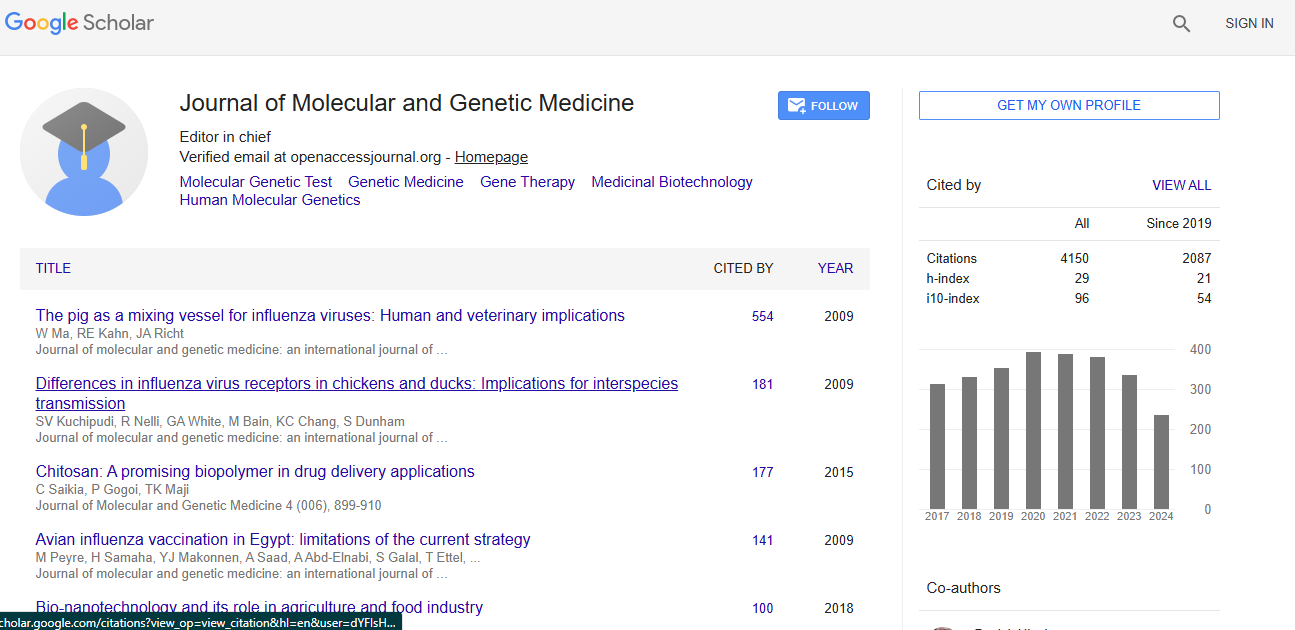
Molecular and Genetic Medicine received 3919 citations as per Google Scholar report