Brief Report - (2025) Volume 10, Issue 6
Received: 03-Nov-2025, Manuscript No. JPNM-26-185752;
Editor assigned: 05-Nov-2025, Pre QC No. P-185752;
Reviewed: 17-Nov-2025, QC No. Q-185752;
Revised: 24-Nov-2025, Manuscript No. R-185752;
Published:
29-Nov-2025
, DOI: 10.37421/2472-100X.2025.10.372
Citation: Petrova, Ana. ”Pediatric Neurobehavioral Disorders: Assessment, Intervention, and Future.” J Pediatr Neurol Med 10 (2025):372.
Copyright: © 2025 Petrova A. This is an open-access article distributed under the terms of the Creative Commons Attribution License, which permits unrestricted use, distribution and reproduction in any medium, provided the original author and source are credited.
The field of pediatric neurobehavioral disorders is characterized by a complex interplay of diagnostic challenges and therapeutic interventions, necessitating a comprehensive and multidisciplinary approach. Current understanding underscores the critical importance of early identification and timely intervention to optimize developmental trajectories and long-term outcomes for affected children. This review aims to consolidate current knowledge and practical strategies for assessing and intervening in these conditions within pediatric populations, emphasizing the evolving landscape of research and its translation into clinical practice. The identification of conditions such as Attention-Deficit/Hyperactivity Disorder (ADHD), Autism Spectrum Disorder (ASD), and learning disabilities demands meticulous evaluation processes to ensure accurate diagnoses and tailored treatment plans. Early and accurate diagnosis is paramount, as it directly influences the effectiveness of subsequent interventions and the potential for positive developmental outcomes. This article examines the diagnostic challenges and the utility of various assessment tools, including standardized questionnaires, direct observation, and neuroimaging, in identifying these conditions in young children, stressing the need for a comprehensive approach that integrates information from multiple sources. Specific behavioral interventions have demonstrated significant efficacy in managing conditions like ADHD, with multifaceted approaches yielding the most pronounced improvements in core symptoms and social functioning. The crucial role of parent training in empowering caregivers to implement evidence-based strategies at home cannot be overstated. Autism spectrum disorder (ASD) presents a unique set of challenges for assessment and intervention, necessitating a review of the latest advancements in understanding its heterogeneity and the development of tailored interventions. Personalized approaches that address individual strengths and challenges across various developmental domains are highlighted as essential for effective support. Learning disabilities, such as dyslexia and dyscalculia, significantly impact academic achievement and self-esteem in children, underscoring the need for evidence-based assessment methods and targeted intervention strategies. Early identification and specialized support, including instructional accommodations, are crucial for fostering academic success and well-being. The review also explores the role of pharmacotherapy in managing neurobehavioral disorders in children, focusing on conditions like ADHD and Tourette syndrome. It discusses the efficacy and safety profiles of commonly prescribed medications, advocating for a balanced approach that integrates medication with other therapeutic modalities. The impact of neurobehavioral disorders extends to family systems, posing unique challenges for parents and siblings. Examining these familial dynamics and proposing family-centered interventions is vital for enhancing coping mechanisms, improving communication, and strengthening family resilience. The frequent co-occurrence of neurodevelopmental disorders complicates diagnosis and treatment, necessitating a focus on the assessment and management of comorbid conditions. Integrated treatment plans that address the interplay between disorders are essential for comprehensive care. The transition from pediatric to adult care presents unique challenges for individuals with neurobehavioral disorders, highlighting the importance of early transition planning and the empowerment of adolescents with self-advocacy skills. A structured and individualized approach is crucial for facilitating successful transitions to adulthood. Finally, the growing integration of technology in pediatric neurology and medicine offers new avenues for the assessment and intervention of neurobehavioral disorders. Exploring the potential of digital tools to improve diagnostic accuracy, deliver personalized interventions, and enhance engagement is becoming increasingly important for future practice. [1] The field of pediatric neurobehavioral disorders is rapidly evolving, with ongoing research continually refining our understanding of their complex etiology, presentation, and impact across the lifespan. Central to effective management is a robust framework for assessment that integrates a variety of tools and perspectives to accurately identify conditions such as ADHD, ASD, and learning disabilities. This consolidation of current understanding and practical approaches highlights the critical need for early identification and intervention to optimize developmental trajectories and long-term outcomes for affected children. The emphasis on multidisciplinary assessment underscores the collaborative nature of care, bringing together specialists from various fields to create a holistic picture of a child's needs. Key intervention strategies, including behavioral therapies, pharmacotherapy, and educational support, are discussed with a focus on tailoring treatment plans to the individual child's specific needs and developmental stage. The article underscores the evolving landscape of neurobehavioral research and its crucial translation into clinical practice, ensuring that evidence-based approaches are consistently applied. [2] Early and accurate diagnosis of neurodevelopmental disorders is a cornerstone of effective intervention, directly influencing the trajectory of a child's development and well-being. This article specifically examines the diagnostic challenges inherent in identifying conditions like ADHD and ASD in young children, underscoring the utility of various assessment tools. These tools range from standardized questionnaires that capture parent and teacher perspectives to direct observation of behavior and advanced neuroimaging techniques that can provide objective biological data. The research stresses the imperative for a comprehensive approach, one that meticulously integrates information gathered from parents, educators, and clinicians. This integrated perspective is essential for forming a holistic understanding of a child's unique presentation and for developing targeted, effective interventions. The emphasis on a unified diagnostic process ensures that no critical aspect of the child's condition is overlooked, paving the way for more precise and beneficial treatment strategies. [3] The efficacy of specific behavioral interventions for children diagnosed with attention-deficit/hyperactivity disorder (ADHD) is a critical area of study, with research consistently demonstrating positive outcomes. This particular study evaluates the effectiveness of various approaches, including parent-mediated interventions, classroom management strategies, and combined therapeutic modalities. The findings indicate that multifaceted interventions, which often incorporate elements from different approaches, yield the most significant improvements. These improvements are observed across key areas such as attention span, impulse control, and social interaction skills, all of which are frequently impacted by ADHD. Furthermore, the research highlights the indispensable role of parent training programs. These programs are designed to empower caregivers with the knowledge and skills necessary to effectively implement evidence-based strategies within the home environment, thereby extending the benefits of therapeutic interventions beyond clinical settings. [4] Autism spectrum disorder (ASD) presents a unique and often complex set of challenges for both assessment and intervention, necessitating specialized approaches that acknowledge its inherent heterogeneity. This paper provides a thorough review of the most recent advancements in understanding the diverse presentations of ASD and the development of highly tailored interventions. These interventions encompass a range of evidence-based practices, including early intensive behavioral intervention, which aims to maximize developmental gains during critical early years, social skills training designed to enhance peer interactions and social cognition, and communication-focused therapies that address a core deficit in ASD. A central theme is the critical importance of personalized approaches, emphasizing that interventions must be adapted to address the individual strengths and specific challenges of each child across various developmental domains, ensuring a truly individualized care plan. [5] Learning disabilities, such as dyslexia and dyscalculia, exert a substantial impact on a child's academic achievement and can profoundly affect their self-esteem and overall sense of confidence. This article comprehensively discusses evidence-based assessment methods specifically designed for identifying these particular learning disabilities with precision. Furthermore, it outlines effective intervention strategies that are grounded in research and proven to support students in overcoming academic hurdles. A key emphasis is placed on the necessity of early identification and the provision of targeted support. This support includes specialized instruction tailored to individual learning styles, the integration of assistive technology to bridge learning gaps, and the implementation of appropriate accommodations within the educational setting. Such measures are vital for fostering academic success and promoting the emotional well-being of children facing learning challenges. [6] Pharmacotherapy plays a significant role in the management of neurobehavioral disorders in children, particularly for conditions such as ADHD and Tourette syndrome, where medication can offer substantial symptomatic relief. This review carefully explores the efficacy and safety profiles of commonly prescribed medications used in pediatric populations. It underscores the critical importance of meticulous patient selection, ensuring that medication is appropriate for the individual child's specific condition and needs. Furthermore, the article emphasizes the necessity of individualized dosing, where medication amounts are carefully adjusted to achieve optimal therapeutic effects with minimal side effects. Ongoing monitoring for adverse reactions is also highlighted as a crucial component of safe and effective pharmacotherapy, advocating for a balanced approach that integrates medication with behavioral and educational interventions for the best possible outcomes. [7] The impact of neurobehavioral disorders extends far beyond the individual child, significantly influencing the entire family system and creating unique sets of challenges. This article delves into the specific difficulties encountered by parents and siblings of children with these conditions, which can include heightened levels of stress, considerable emotional burden, and the pressing need for specialized support services. In response to these identified challenges, the paper proposes the implementation of family-centered interventions. These interventions are designed to proactively enhance the coping mechanisms of family members, foster more effective communication patterns within the household, and ultimately strengthen the overall resilience of the family unit, enabling them to better navigate the complexities associated with a child's neurobehavioral disorder. [8] Neurodevelopmental disorders frequently co-occur, a phenomenon known as comorbidity, which can substantially complicate both the diagnostic process and the subsequent treatment planning. This article directly addresses the assessment and management of these comorbid conditions, providing insights into common pairings such as ADHD co-occurring with anxiety disorders, or ASD presenting alongside intellectual disability. It strongly emphasizes the critical importance of a comprehensive diagnostic evaluation that meticulously identifies all presenting conditions, ensuring that no aspect of the child's complex presentation is overlooked. The development of integrated treatment plans that thoughtfully address the intricate interplay between these co-occurring disorders is highlighted as essential for achieving optimal therapeutic outcomes and improving the child's overall functioning. [9] The transition from pediatric care to adult healthcare services presents a unique and often formidable set of challenges for individuals with neurobehavioral disorders. This article specifically examines the profound importance of early and structured transition planning, focusing on key strategies that empower adolescents. These strategies include equipping them with essential self-advocacy skills, facilitating seamless coordination between pediatric and adult healthcare providers, and ensuring consistent access to appropriate support services throughout their adult lives. The discussion emphasizes the critical need for a well-defined and individualized approach to this transition, aiming to facilitate a smoother and more successful integration into adult life and healthcare systems. [10] Technology is increasingly playing a pivotal role in the assessment and intervention of neurobehavioral disorders in children, offering innovative solutions to long-standing challenges. This article explores the significant potential of various digital tools, including mobile applications designed for therapeutic support, immersive virtual reality environments for skill-building, and telehealth platforms for remote consultation and intervention delivery. These technologies hold the promise of improving diagnostic accuracy by providing novel data streams, enabling the delivery of highly personalized interventions tailored to individual needs, and enhancing patient engagement through interactive and novel delivery methods. The discussion highlights the accelerating integration of technology within the fields of pediatric neurology and medicine and thoughtfully considers its profound implications for the future of clinical practice and research.
The assessment and intervention of neurobehavioral disorders in pediatric populations are intricate processes that demand a multifaceted and individualized approach. Current understanding highlights the critical role of early identification and prompt intervention in optimizing developmental outcomes. This review consolidates current knowledge and practical strategies, emphasizing the importance of multidisciplinary assessment for conditions such as ADHD, ASD, and learning disabilities. Key intervention strategies discussed include behavioral therapies, pharmacotherapy, and educational support, all tailored to the child's specific needs and developmental stage, reflecting the evolving landscape of research and its translation into clinical practice. [1] The field of pediatric neurobehavioral disorders is characterized by its dynamic nature, with ongoing research continually enhancing our comprehension of these conditions. A robust framework for assessment is fundamental to effective management, integrating diverse tools and perspectives to accurately diagnose issues like ADHD, ASD, and learning disabilities. This consolidation of current knowledge and practical approaches underscores the vital necessity of early identification and intervention to foster optimal developmental trajectories and long-term well-being for affected children. The emphasis on multidisciplinary assessment highlights the collaborative essence of care, bringing together specialists from various disciplines to form a comprehensive understanding of a child's unique requirements. Essential intervention strategies, encompassing behavioral therapies, pharmacotherapy, and educational support, are detailed with a focus on customizing treatment plans to align with each child's specific needs and developmental phase, thereby bridging the gap between emerging research and its practical application in clinical settings. [2] Achieving an early and precise diagnosis of neurodevelopmental disorders is a crucial prerequisite for implementing effective interventions, directly influencing a child's developmental path and overall quality of life. This article specifically delves into the inherent diagnostic challenges associated with identifying conditions like ADHD and ASD in very young children, underscoring the significant value of a variety of assessment tools. These instruments encompass standardized questionnaires that gather insights from parents and educators, direct behavioral observations, and sophisticated neuroimaging techniques that can yield objective biological data. The research strongly advocates for a comprehensive diagnostic strategy that meticulously synthesizes information obtained from parents, educators, and clinicians. This integrated approach is indispensable for developing a holistic understanding of a child's specific presentation and for formulating targeted and effective interventions. The commitment to a unified diagnostic process ensures that no critical facet of the child's condition is overlooked, thereby paving the way for more accurate and beneficial treatment plans. [3] The effectiveness of specialized behavioral interventions for children diagnosed with attention-deficit/hyperactivity disorder (ADHD) is a subject of considerable research interest, with studies consistently reporting favorable results. This particular investigation evaluates the comparative efficacy of several therapeutic modalities, including interventions primarily delivered by parents, classroom-based management techniques, and integrated approaches that combine multiple strategies. The findings robustly suggest that multifaceted interventions, often incorporating elements from various therapeutic domains, lead to the most substantial improvements. These enhancements are particularly noticeable in core areas frequently affected by ADHD, such as attention, impulse control, and social interaction skills. Furthermore, the study underscores the critical importance of parent training programs. These programs are instrumental in equipping caregivers with the necessary knowledge and practical skills to effectively apply evidence-based strategies within the home environment, thereby extending the positive impact of therapeutic interventions beyond the clinical setting. [4] Autism spectrum disorder (ASD) poses a distinct and often complex set of challenges regarding both its assessment and the subsequent implementation of interventions, demanding highly specialized and individualized approaches that acknowledge the inherent heterogeneity of the condition. This paper offers a detailed examination of the most recent advancements in understanding the varied manifestations of ASD and the ongoing development of meticulously tailored interventions. These interventions include early intensive behavioral intervention, designed to maximize developmental gains during crucial early years; social skills training, aimed at enhancing peer interactions and social cognition; and communication-focused therapies, which directly address a primary deficit in individuals with ASD. A central tenet emphasized throughout is the critical importance of personalized approaches, recognizing that interventions must be precisely adapted to address the unique strengths and specific challenges of each child across a spectrum of developmental domains, thus ensuring a truly customized and effective care plan. [5] Learning disabilities, exemplified by conditions such as dyslexia and dyscalculia, exert a significant and often pervasive influence on a child's academic performance and can have a profound impact on their self-esteem and overall sense of self-worth. This article provides a comprehensive overview of evidence-based assessment methodologies that are specifically designed for the precise identification of these particular learning disabilities. Moreover, it outlines effective intervention strategies that are firmly grounded in scientific research and have demonstrated efficacy in assisting students to surmount academic obstacles. A paramount emphasis is placed on the critical need for early identification and the provision of highly targeted support. This support encompasses specialized instructional techniques adapted to individual learning styles, the strategic integration of assistive technology to help bridge learning gaps, and the implementation of appropriate accommodations within the educational framework. Such comprehensive measures are indispensable for fostering academic achievement and promoting the psychological well-being of children who encounter learning challenges. [6] Pharmacotherapy plays a substantial role in the comprehensive management of neurobehavioral disorders affecting children, particularly for conditions like ADHD and Tourette syndrome, where medication can provide significant symptomatic relief and improve daily functioning. This review meticulously examines the efficacy and safety profiles of medications that are commonly prescribed for pediatric populations. It strongly emphasizes the critical importance of careful patient selection, ensuring that the chosen medication is indeed appropriate for the individual child's specific condition and clinical presentation. Furthermore, the article highlights the necessity of individualized dosing strategies, where medication dosages are precisely adjusted to achieve optimal therapeutic benefits while minimizing the occurrence of side effects. The ongoing monitoring of patients for any adverse reactions is also underscored as an essential component of safe and effective pharmacotherapy, advocating for a balanced approach that judiciously integrates medication with behavioral and educational interventions to achieve the best possible overall outcomes. [7] The repercussions of neurobehavioral disorders extend significantly beyond the individual child, profoundly affecting the entire family unit and presenting a distinct set of challenges. This article thoroughly investigates the specific difficulties experienced by parents and siblings of children with these conditions, which frequently include elevated stress levels, a considerable emotional burden, and an acute need for specialized support services. In response to these identified challenges, the paper advocates for the implementation of family-centered interventions. These interventions are specifically designed to proactively enhance the coping capacities of family members, foster more effective and supportive communication dynamics within the household, and ultimately strengthen the overall resilience of the family system, thereby enabling them to better manage the complexities associated with a child's neurobehavioral disorder. [8] Neurodevelopmental disorders often manifest concurrently, a phenomenon termed comorbidity, which can introduce significant complexity into both the diagnostic process and subsequent treatment planning. This article directly addresses the assessment and management strategies pertinent to these comorbid conditions, offering insights into prevalent pairings such as ADHD co-occurring with anxiety disorders, or ASD presenting alongside intellectual disability. It strongly underscores the paramount importance of a comprehensive diagnostic evaluation that meticulously identifies all co-occurring conditions, ensuring that no aspect of the child's complex clinical picture is overlooked. The development and implementation of integrated treatment plans, which thoughtfully consider and address the intricate interplay between these co-occurring disorders, are highlighted as fundamental for achieving optimal therapeutic outcomes and enhancing the child's overall functioning and well-being. [9] The transition from the specialized care provided by pediatric services to the broader healthcare landscape of adult services presents a unique and often substantial set of challenges for individuals living with neurobehavioral disorders. This article critically examines the profound significance of initiating and executing early and structured transition planning. The focus is placed on empowering adolescents with essential self-advocacy skills, facilitating seamless and coordinated care transitions between pediatric and adult healthcare providers, and ensuring consistent access to appropriate and necessary support services throughout their adult lives. The discussion strongly emphasizes the critical need for a well-defined and highly individualized approach to this crucial transition period, with the overarching goal of facilitating a smoother and more successful integration into adult life and the adult healthcare system. [10] Technology is increasingly emerging as a transformative force in both the assessment and intervention phases for neurobehavioral disorders in children, offering innovative solutions to previously intractable challenges. This article comprehensively explores the substantial potential offered by a variety of digital tools. These include mobile applications specifically designed for therapeutic support and skill development, immersive virtual reality environments that facilitate engaging and effective training, and telehealth platforms that enable remote consultations and the delivery of interventions. These technological advancements hold considerable promise for enhancing diagnostic accuracy by providing novel data streams, facilitating the delivery of highly personalized interventions tailored to individual requirements, and improving overall patient engagement through interactive and novel delivery methods. The discussion highlights the accelerating rate at which technology is being integrated into the fields of pediatric neurology and medicine and thoughtfully considers its profound implications for the future of clinical practice and ongoing research.
This collection of research synthesizes current understanding and practical approaches to assessing and intervening in neurobehavioral disorders within pediatric populations. It emphasizes the critical importance of early identification through multidisciplinary assessments for conditions like ADHD, ASD, and learning disabilities. Key intervention strategies highlighted include behavioral therapies, pharmacotherapy, and educational support, with a strong focus on individualized treatment plans. The research also addresses the complexities of comorbidity, the impact on family systems, and the crucial transition to adult care. The growing role of technology in assessment and intervention is also explored, pointing towards a future of more integrated and personalized care for children with neurobehavioral disorders.
None
None
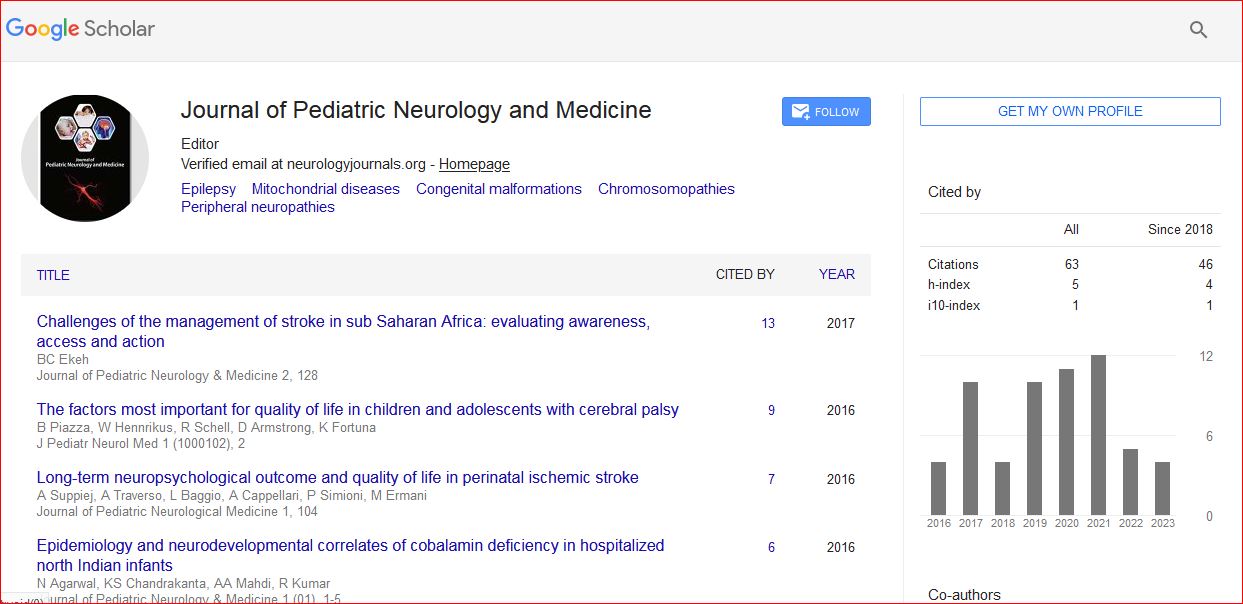
Journal of Pediatric Neurology and Medicine received 68 citations as per Google Scholar report