Commentary - (2025) Volume 12, Issue 6
Received: 02-Dec-2025, Manuscript No. fmoa-26-187976;
Editor assigned: 04-Dec-2025, Pre QC No. P-187976;
Reviewed: 18-Dec-2025, QC No. Q-187976;
Revised: 23-Dec-2025, Manuscript No. R-187976;
Published:
30-Dec-2025
, DOI: 10.37421/2476-2296.2025.12.372
Citation: Rojas, Camila. ”Optimizing Pump Systems For Maximum Energy Efficiency.” Fluid Mech Open Acc 12 (2025):372.
Copyright: © 2025 Rojas C. This is an open-access article distributed under the terms of the Creative Commons Attribution License, which permits unrestricted use, distribution and reproduction in any medium, provided the original author and source are credited.
The realm of industrial and municipal operations is significantly underpinned by pumping systems, making their energy efficiency a critical area for economic and environmental consideration. Significant potential for energy savings exists through targeted improvements in these systems, encompassing a multifaceted approach to equipment selection, operational strategies, and ongoing maintenance [1].
The application of advanced control strategies, particularly the widespread adoption of variable speed drives (VSDs), has been unequivocally demonstrated as a highly effective method for enhancing the energy efficiency of pumping systems across diverse sectors [2].
Furthermore, the foundational aspects of system design and hydraulic optimization play a pivotal role in dictating the energy performance of centrifugal pumping systems, with poor design choices leading to substantial inefficiencies [3].
The crucial role of predictive maintenance and diligent operational monitoring cannot be overstated when aiming to improve the energy efficiency of pumping systems, as well-maintained equipment operates closer to its optimal performance parameters [4].
Systematic pump audits serve as an invaluable diagnostic tool, effectively identifying opportunities for energy savings by thoroughly analyzing existing system performance and operational procedures [5].
The specific optimization of impeller design, through modifications such as blade trimming or adjustments to vane angles, offers a direct pathway to significantly improving a pump's performance characteristics and its energy efficiency [6].
Modernizing aging pumping infrastructure, often characterized by outdated designs and less efficient control mechanisms, presents a substantial opportunity for enhanced energy efficiency, particularly in essential services like municipal water supply [7].
The integration of cutting-edge smart technologies, including the Internet of Things (IoT), provides a robust framework for optimizing pumping system operation and achieving greater energy efficiency through real-time data analysis and dynamic adjustments [8].
A holistic approach to energy management, extending beyond individual component efficiency to encompass the entire fluid handling network, is essential for reducing the overall energy footprint of industrial pumping operations [9].
Finally, the often-overlooked influence of mechanical seals on pumping system energy efficiency, particularly in their capacity to minimize leakage and friction, warrants careful consideration in the pursuit of optimal performance and reliability [10].
The inherent potential for substantial energy savings within pumping systems is largely contingent upon the implementation of strategic efficiency improvements. Key strategies involve meticulously optimizing pump selection to align with actual system demand, a critical first step in avoiding oversizing and associated inefficiencies [1].
Variable speed drives (VSDs) emerge as a cornerstone technology for improving pumping system energy efficiency. Their capability to adapt pump speed dynamically to fluctuating system demands circumvents the energy waste typically associated with throttling valves or bypass lines [2].
Fundamental to energy-efficient operation is a well-conceived system design and effective hydraulic optimization. Methodologies for hydraulic analysis, including precise pipe sizing and component selection, are essential for minimizing head losses and the resultant increase in energy consumption [3].
Proactive measures in predictive maintenance and continuous operational monitoring are instrumental in achieving and sustaining high energy efficiency in pumping systems. Early detection of wear or malfunctions through these methods ensures pumps operate closer to their best efficiency points [4].
Conducting comprehensive pump system audits provides a structured and practical approach to identifying energy-saving opportunities. These audits systematically review performance data, operational procedures, and equipment condition to pinpoint common inefficiencies [5].
Investigating the optimization of impeller design offers a direct and often cost-effective method for enhancing pump efficiency. Modifications such as impeller trimming can significantly improve a pump's performance characteristics and align its best efficiency point with system requirements [6].
The modernization of existing pumping infrastructure represents a significant opportunity to improve energy efficiency, especially in older systems burdened by outdated technology and suboptimal designs. Upgrading to modern, high-efficiency pumps and advanced control systems yields tangible benefits [7].
The integration of smart technologies, particularly the Internet of Things (IoT), is revolutionizing pumping system management for optimal energy efficiency. Real-time data collection allows for dynamic adjustments and early fault detection [8].
A system-wide energy management strategy is paramount for industrial pumping operations. This holistic approach considers the entire fluid handling network, advocating for integrated energy efficiency goals throughout all project phases [9].
The critical role of mechanical seals in maintaining pumping system energy efficiency and reliability is evident in their impact on leakage and friction losses. Careful selection and maintenance of seals are vital for preventing energy waste and ensuring consistent performance [10].
Pumping systems offer substantial energy-saving opportunities through a combination of optimized equipment selection, advanced control technologies like variable speed drives (VSDs), and effective hydraulic system design. Regular maintenance and predictive monitoring are crucial for sustaining efficiency by ensuring pumps operate at their best performance points. Pump system audits provide a structured method for identifying inefficiencies, while specific design optimizations, such as impeller modifications, can directly boost performance. Modernizing aging infrastructure and integrating smart technologies like IoT further enhance energy efficiency and operational reliability. A holistic, system-wide energy management approach, considering the entire fluid handling network, is essential for maximizing cumulative energy reductions. The proper selection and maintenance of mechanical seals also play a key role in minimizing leakage and friction, contributing to overall energy efficiency.
None
None
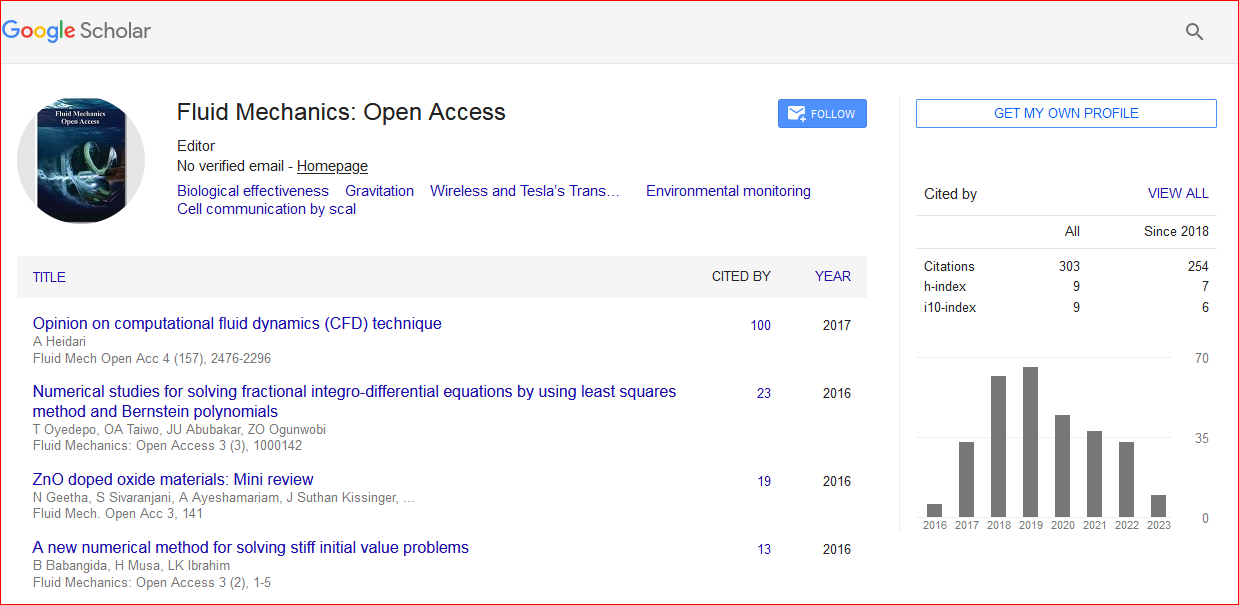
Fluid Mechanics: Open Access received 291 citations as per Google Scholar report