Research Article - (2026) Volume 16, Issue 1
Received: 20-Nov-2024, Manuscript No. JCDE-24-152984;
Editor assigned: 25-Nov-2024, Pre QC No. JCDE-24-152984 (PQ);
Reviewed: 10-Dec-2024, QC No. JCDE-24-152984;
Revised: 05-Feb-2026, Manuscript No. JCDE-24-152984 (R);
Published:
12-Feb-2026
, DOI: 10.37421/2165-784X.2026.16.603
Citation: Tsega, Ashenafi, Tibebu Birega, and Robeam Solomon. "Enhancing Asphalt Concrete Performance with Scoria as Fine Aggregate and
Recycled Waste Hollow Concrete Block as Fillers." J Civil Environ Eng 16 (2026): 603.
Copyright: © 2026 Tsega A, et al. This is an open-access article distributed under the terms of the creative commons attribution license which permits unrestricted use, distribution and reproduction in any medium, provided the original author and source are credited.
Asphalt concrete mix, comprising 4-6% asphalt bitumen and 90-96% aggregate, requires significant quantities of crushed aggregate, leading to material shortages and high costs. This study aims to enhance asphalt concrete performance by using scoria as fine aggregate and recycled Waste Hollow Concrete Block (WHCB) as fillers. Incremental scoria levels ranging from 10% to 40% were tested in the marshal mix, with 20% replacement meeting Ethiopian road authority specifications. Tests with 25%, 50%, and 75% waste hollow concrete block showed compliance up to 50%, with performance declining at 75%. The modified mix required slightly more bitumen than the control mix. Tensile Strength Ratio (TSR) and indirect tensile strength tests revealed that the unmodified hot mix asphalt outperformed the modified mix by 14.27% in wet and 7.87% in dry conditions. The TSR of the unmodified mix was 81.96%, while the modified mix achieved 76.34%, exceeding the 75% minimum requirement set by the Ethiopian Road Authority. The study concludes that using 25% waste hollow concrete block filler and 20% scoria fine aggregate in asphalt concrete production yields positive outcomes and meets specification requirements.
Fine aggregate • Filler • Scoria • Recycled waste hollow concrete block • Marshal test • Hot mix asphalt • Tensile strength ratio
Roadways constitute a fundamental component of the infrastructure essential for the socio-economic advancement of a nation. The expansion of the transportation sector propels countries worldwide to prioritize the development and maintenance of an enduring transportation framework. Scholars are progressively investigating eco-friendly and resource-efficient materials within the construction sector, driven by an increasing focus on sustainability. The incorporation of alternative and recycled materials in Hot-Mix Asphalt concrete (HMA) exemplifies one such innovative strategy. Sustainable transportation enhances the mobility of individuals and goods; it plays a pivotal role in alleviating poverty and mitigating inequality by generating employment opportunities, improving access to jobs, and sustaining livelihoods [1]. It provides both direct and indirect benefits that can help a nation's way of life and progress. Roads were originally made with locally available gravel and stones, but these were gradually replaced by high-quality materials such as asphalt binder and concrete. The globe has evolved advanced pavement design as a result of information, technology, and the demand for asphalt roadways [2]. Highway road connections were growing all across the world. As a result, building and maintaining such networked pavements requires a significant amount of material. Particularly when considering the use of various natural aggregates [3]. The idea of employing some waste materials as pavement alternatives has prompted researchers to look into locally available low-cost and waste resources [4].
Natural resources are extracted and processed in the construction industry, which poses significant environmental challenges. So in this study alternatives to conventional materials in Hot Mix Asphalt (HMA), scoria, and recycled Waste Hollow Concrete Blocks (WHCB) were offered in the study as promising potential.
Hot Mix Asphalt (HMA) is a popular road-building material because of its durability, cost-effectiveness, and performance. HMA is traditionally made up of natural aggregates, binders, and fillers. The mining and processing of these natural aggregates has a major environmental impact, including resource depletion and habitat damage [5]. Scoria, a lightweight volcanic rock, and WHCB, a byproduct of demolished concrete structures, provide feasible alternatives to conventional fine aggregates and fillers, potentially boosting the sustainability and performance of HMA.
The uppermost layer of a highway plays a crucial role in establishing an efficient transportation system. Various critical parameters are essential for mitigating issues related to pavement deformation and cracking. The progressive deterioration of asphalt concrete roads is attributed to the materials used in pavement construction and the flow of traffic, which may involve individual wheel loads or the cumulative effects of repeated loads applied to the surface [6].
The increasing population and diverse industries are generating a significant amount of waste. Numerous studies have been conducted to explore the potential for utilizing different waste materials, including limestone, aggregates derived from crushed granite, plastics, crumb rubber, and Reclaimed Asphalt Pavement (RAP) aggregate. These materials may help reduce the degradation of asphalt pavements in hot-mix asphalt applications [7]. However, the combined usage of scoria and WHCB in HMA is still unexplored. This work seeks to bridge this gap by assessing the performance of these materials in HMA.
Asphalt concrete is among the most frequently utilized paving materials within the construction sector. This material tends to be costly, necessitating a substantial quantity for projects. Furthermore, its production of Hot Mix Asphalt (HMA) can lead to environmental pollution [8]. The absence of virgin or crushed aggregate significantly impairs the quality and effectiveness of asphalt pavement construction, leading to potential structural deficiencies and compromised long-term performance of the paved surface [9]. If there is a heightened demand for virgin aggregate, which is essential for the development and provision of construction infrastructure in developing nations such as Ethiopia, it becomes crucial to assess and respond accordingly to this emerging need.
Construction materials need to focus on being sustainable by placing importance on the economy, efficient energy usage, and environmental protection. It is anticipated that the global aggregate output will amount to around 16.5 billion tons annually, with a value of about 70 billion US dollars. Consequently, aggregate production stands as a crucial mining sector on a global scale. Using construction materials that are easily found in the local area is a method to lower the expenses and environmental impact of asphalt concrete mix production. Introducing alternative materials that are widely available could reduce the environmental impact of using less natural aggregate and the associated transportation costs. Scoria rock is one of the readily available materials, and Ethiopia is a major producer of pumice and scoria aggregate, particularly in the regions near the Rift Valley and the country's main towns where extensive development projects are underway. The surfaces of rural roads with low traffic, as well as unbound granular layers such as the base course, sub-base, and sub-grade, have previously been coated with volcanic scoria.
Noted that scoria, for its porous structure and lightweight, has been investigated for potential construction benefits. When volcanic scoria is used as a fine aggregate in the production of Portland cement mortar, an improvement in the mechanical property of the mortar is seen. Similarly, WHCB created from construction waste encourages recycling and minimizes landfill burden, in line with circular economy concepts.
Asphalt concrete pavement is constructed of mineral aggregates, asphalt binder, and filler. In this investigation, scoria was employed to partially substitute fine aggregate and determine the amount of naturally broken fine aggregate. Fine aggregate requires a large volume of mineral aggregate in HMA concrete components. In another instance, WHCB was employed to replace filler minerals. The Ethiopian building sector has expanded dramatically as a result of the country's growing urbanization and the demand for low-cost houses, residential structures, offices, and other uses. This study aims to enhance asphalt concrete performance with scoria as fine aggregate and recycled Waste Hollow Concrete Block (WHCB) as Fillers, providing a potential solution to modern construction challenges. Hollow Concrete Block (HCB) is a popular material, but it generates a substantial amount of trash, which is mainly disposed of in landfills and can have a severe environmental and financial impact. Recycling WHCB can reduce environmental waste and increase the sustainability of materials used in road building by reducing reliance on natural and non-renewable resources.
This study helps to promote sustainable construction techniques by lowering dependency on natural resources and encouraging recycling. The goal of this research is to evaluate the mechanical performance of HMA with scoria and WHCB and compare it to standard HMA.
This study takes a thorough experimental method that includes measurements for stability, flow, density, and tensile strength. The findings will be useful to the construction sector as they promote the use of alternative materials in sustainable practices.
Statement of the problem
Flexible pavements are the most often used pavement structure today. Asphalt concrete is the most common material used to construct this type of pavement, and it requires a significant amount of aggregate. The construction industry faces significant challenges in the use of aggregates for pavement construction due to their critical role in providing strength and stability. However, the availability and cost of high-quality aggregates vary greatly by region, leading to potential shortages and increased expenses. In some areas, natural aggregates are scarce, necessitating the importation of materials from distant locations, which further escalates costs. For example, construction and asphalt roads require a considerable number of aggregates. For asphalt roads, 90-96 percent of the total mix will be used.
To address these issues, there is a need to explore alternative materials such as recycled aggregates, scoria, and Hollow Concrete Block (HCB) waste. These alternatives may offer more readily available and cost-effective solutions, though their performance characteristics require thorough evaluation. Additionally, the use of recycled materials can enhance sustainability by reducing waste and minimizing the environmental impact of construction projects. Fine aggregate is used in huge quantities in the manufacturing of HMA concrete, which raises costs and causes material shortages. For these reasons, scoria was used to replace the amount of aggregate that met acceptable specifications in the production of hot mix asphalt. On the other hand, HCB would break and its trash would be scattered everywhere during the construction of various building infrastructures and transportation. This garbage has an impact on the environment and pollutes the land. The cement was utilized in the manufacture of HCB and serves as a binding ingredient; when broken, it is simply wasted or discarded. Reusing waste material in the asphalt mixture would minimize the expense of natural mineral fillers and create a strong binding to overcome barriers in the pavement.
Natural resources are rapidly depleting and cannot be replenished, necessitating their preservation through the maintenance of sufficient reserves to satisfy current and future aggregate demands. Previous research has largely overlooked the potential of scoria as a complete or partial substitute for crushed aggregate in hot-mix asphalt. Furthermore, there is a significant gap in understanding the application of recycled waste hollow concrete blocks in hot mix asphalt, along with their environmental benefits and potential for reducing costs associated with natural crushed stone fillers. Consequently, this study aims to elucidate the properties of scoria and recycled waste hollow concrete blocks, examining their impact on mix characteristics and the advantages of utilizing scoria as a partial replacement for natural fine aggregate, as well as employing waste hollow concrete blocks as filler minerals, thereby promoting sustainability within the asphalt concrete pavement sector.
The methodological aspects of this chapter discuss the Enhancing Asphalt Concrete Performance with Scoria as Fine Aggregate and Recycled Waste Hollow Concrete Block (WHCB) as Fillers. The techniques and approaches for collecting information and conducting investigations were utilized to tackle the research question and achieve both the overarching and specific goals of the study.
Materials
Materials utilized as components in HMA concrete, including coarse and fine aggregates, scoria, stone dust filler, waste HCB filler minerals, and asphalt binder, were examined for their physical properties. The laboratory study was conducted in two phases, with the initial phase concentrating on the standards set forth by ASTM, AASHTO, ERA, and the Asphalt Institute (MS-2) to ensure compliance with the criteria outlined in these standard manuals. The relevant test standards and requirements are detailed in Tables 1-4 below.
| Description | Tests | Test standards |
| Crushed aggregate | Gradation (sieve analysis) | ASTM C-136 |
| Specific gravity test | ASTM C-127 and 128 | |
| Aggregate impact value test | BS 812, part 112 | |
| Aggregate crushing value test | BS 812, part 110 | |
| Abrasion test | ASTM C-131 | |
| Soundness test | ASTM C-88 | |
| Shape test | ASTM D-3398 | |
| Testes on filler minerals | Specific gravity | ASTM C-188 |
| Plasticity index | ASTM D-4318 | |
| Graduation | ASTM D-242 |
Table 1. Quality of aggregate tests and standards.
| Description | Tests | Test method |
| The tests on fine scoria | Bulk specific gravity (g/cm3) | ASTM C-128 |
| Water absorption (%) | ASTM C-128 | |
| Unit weight (Compacted) kg/m3 | ASTM C-29 | |
| Unit weight (Loose) kg/m3 | ASTM C-29 | |
| Soundness test by (NaSO4) (%) | ASTM C-88 |
Table 2. Physical properties of scoria and methods.
| Description | Tests conducted | Tests method |
| Tests performed on Bitumen/binder/ | Specific gravity | ASTM D-70 |
| Penetration test (mm) | ASTM D-5 | |
| Ductility test (cm) | ASTM D-113 | |
| Flashpoint (°C) | ASTM D-92 | |
| Softening point (°C) | ASTM D-36 | |
| Water content (°C) | ASTM D-244 |
Table 3. Bitumen tests and methods.
| Test performed | Test Standards/Methods/ |
| Marshal stability (N) | ASTM D-1559/AASHTO T245 |
| Indirect Tensile Strength (ITS) (N/m2 ) | ASTM D-6931/AASHTO T283 |
| Tensile Strength Ration (TSR) (%) | AASHTO T283 |
Table 4. Tests conducted for performance evaluation on control and modified mix asphalt.
Study design
This research constituted a quantitative experimental investigation conducted in a laboratory setting, utilizing samples sourced from the study area. The investigation incorporated both quantitative (numerical) and qualitative assessments, including evaluations of material performance and quality. Quantitative data served to represent the numerical aspects of the study and its outcomes, whereas qualitative data provided a comprehensive overview of the findings. The design of the laboratory work is summarized in the following flow chart (Figure 1).
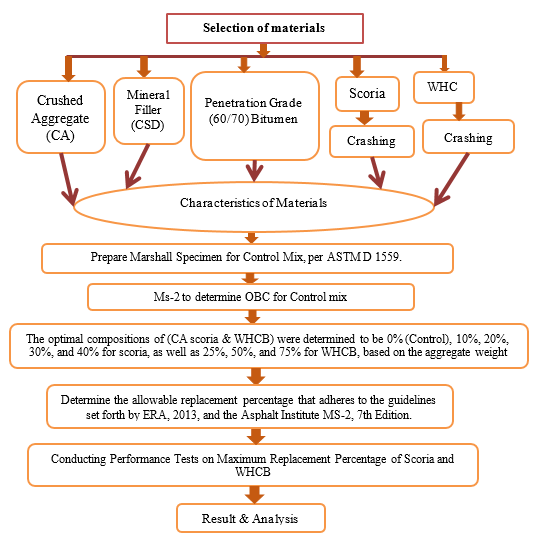
Figure 1. Experimental design diagrams.
Indirect tensile strength test and tensile strength ratio
This testing method demonstrates the procedure for preparing and assessing the Indirect Tensile Strength (ITS) of bituminous mixtures and cores, whether they are laboratory-fabricated or field-recovered, by ASTM D-6931. This assessment is closely related to the cracking characteristics of the completed pavement. Conversely, the Tensile Strength Ratio (TSR) indicates the moisture sensitivity of the samples.
The tensile strength ratio test (AASHTO T283), which incorporates a freeze-thaw cycle, is a procedure utilized to assess the reduction in strength resulting from stripping, defined as the detachment of asphalt from the aggregate, within a laboratory-controlled environment that simulates accelerated water conditioning. In this study, tests were conducted utilizing both control and experimental materials. A total of six compacted control specimens were created, with three designated for dry conditions and the remaining three for wet conditions. The wet conditioning samples successfully underwent a freeze-thaw cycle and were subsequently placed in a vacuum container immersed in water. Finally, the maximum load at failure for each specimen was measured using a tensile strength testing machine.
This chapter provides an analysis and discussion of the test results derived from various laboratory tests conducted. It presents the physical and mechanical properties of materials including coarse and fine aggregates, scoria rock, waste hollow concrete blocks, and asphalt cement or bitumen binder. The following sections will outline the methodology of the study per the specific research objectives.
Aggregate tests
The evaluations performed on crushed aggregate, which is essential for the production of hot mix asphalt, are vital in uncovering the physical characteristics of these aggregates. These characteristics are critical as they have a direct impact on the overall quality of the materials employed.
It is essential to carry out experimental assessments to comprehend the physical traits of the aggregate, given its substantial volume in the asphalt concrete mixture. The strength and fundamental properties of the mix are influenced by the quality and characteristics of the aggregate utilized.
It is important to emphasize that the aggregate's adherence to the ERA specification, illustrated in the graph below, is crucial for fulfilling the required standard sieve size criteria, especially with a specified nominal sieve size of 12.5 mm. Compliance with these standards guarantees the integrity and effectiveness of the hot mix asphalt across various applications (Figure 2).
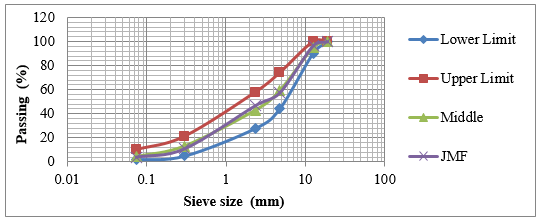
Figure 2. Aggregate gradations graph.
The results obtained from conducting numerous aggregate tests, which were carried out across a variety of parameters and conditions, have been effectively consolidated into a comprehensive format. These findings are meticulously presented in a detailed manner in Table 5, where the outcomes of the several aggregate tests are summarized for clarity and ease of understanding.
| No | Test descriptions | Test Method | Test result | ERA specification Limit | |
| 1 | Bulk specific gravity | Coarse aggregate | ASTM C 127 | 2.87 | >2.3 |
| Fine aggregate | ASTM C 128 | 2.6 | _ | ||
| Filler minerals | ASTM C 188 | 2.56 | _ | ||
| 2 | Impact value (AIV) | BS 812-110 | 10.8 | <25 | |
| 3 | Crushing value (ACV) | BS 812-112 | 15.52 | <30 | |
| 4 | Los angles abrasion value | ASTM C 131 | 12.4 | <30 | |
| 5 | Soundness | Sodium sulphate | ASTM C 88 | 3.54 | <12 |
| Magnesium sulphate | 5.21 | <18 | |||
| 6 | Unit weight | Coarse aggregate | ASTTM C 29 | 1420 kg/m3 | |
| Fine aggregate | 1360 kg/m3 | ||||
| 7 | Shape | Flakiness | ASTM D 3398 | 18.36 | <35 |
| Elongation | ASTM D 4791 | 15.82 | <30 | ||
| 8 | Water absorption | Coarse aggregate | ASTM C 127 | 0.99 | <2 |
| Fine aggregate | ASTM C 128 | 2.29 | _ | ||
Table 5. Summary of aggregate tests.
In this study, a comprehensive analysis was carried out on the physical properties of the scoria fine aggregate. The main objective was to evaluate the engineering characteristics of this material and to gain insights into how it influences the Hot Mix Asphalt (HMA) parameters. The bulk specific gravity of 2.15 is below the specification limit of 2.3, indicating less dense aggregate, potentially affecting the strength and stability of the High-Movement Aggregate (HMA). This could lead to higher void content in the mix, potentially reducing pavement durability and load-bearing capacity. However, the combination test of fine aggregate and scoria satisfied the minimum specification requirement and the specific gravity 2.63 was obtained. The water absorption value of 6.70% is significantly higher than the specification limit of 3%, indicating the aggregate's porous nature, potentially compromising pavement durability. Similarly, when 20% scoria was combined with fine aggregate test result was 2.95% which is in the specification limit. The compacted unit weight, which indicates the density of the compacted aggregate, correlates with better compaction and stability. The loose unit weight provides insight into the aggregate's density in its loose state. The soundness test results of 4.76% are within the specification limit of 12%, indicating good resistance to weathering and degradation. Addressing these issues is crucial for ensuring the performance and longevity of the HMA, which might involve selecting higher-quality aggregates or improving processing methods to meet the required specifications. The following Table 6 shows the results of the scoria test and the combination of fine aggregate and scoria.
| No. | Test description | Test method | The result of scoria only | Scoria with fine aggregate | Spec. limit |
| 1 | Bulk specific gravity | ASTM C 128 | 2.15 | 2.63 | ≥ 2.3% |
| 2 | Water absorption | ASTM C 128 | 6.7 | 2.95 | ≤ 3% |
| Unit weight (Compacted) | ASTM C 29 | 860 kg/m3 | 1127 kg/m3 | - | |
| 3 | Unit weight (Loose) | ASTM C 29 | 784 kg/m3 | 1067 kg/m3 | - |
| 4 | Soundness test by (NaSO4) | ASTM C 88 | 4.76% | 4.20% | <12% |
Table 6. Tests on scoria fine aggregate.
Waste Hollow Concrete Block (WHCB)
Before using waste HCB as filler replacement laboratory investigations were conducted. These test standards addressed several important parameters, including Specific Gravity, gradation using Sieve Analysis, and Plasticity Index. Upon the completion of these rigorous tests, findings indicated that the Specific gravity of the waste HCB sample measured was 2.37. The specification limit of aggregate ranges from 2.5 to 3 but it became below the range and the value indicates that WHCB has less strength than crushed fine aggregate. The obtained specific gravity value of the material ware leads to the decrement of stability of mixed specimen. However, the materials can satisfy the specification limit when used in Hot Mix Asphalt (HMA). The other test was conducted concerning the Plasticity Index (PI) categorized the material as Non-plastic, highlighting its behavior under various environmental conditions. Furthermore, detailed results from the Sieve Analysis are illustrated in Figure 3 below. The sieve analysis data for Hot Mix Asphalt (HMA) reveals the percentage of material passing through different sieve sizes, crucial for determining aggregate gradation. Standard values for HMA gradation are typically specified by agencies like AASHTO or local standards. Proper gradation enhances pavement durability, stability, and ride quality. In other words, the provided gradation data suggests a well-graded HMA mix, which should perform well in terms of durability, stability, and workability. However, it’s essential to compare these values with ERA standards to ensure compliance and optimal performance. There are no significant deviations from standard values, and no need for adjustments in the mix design it achieves the desired properties.
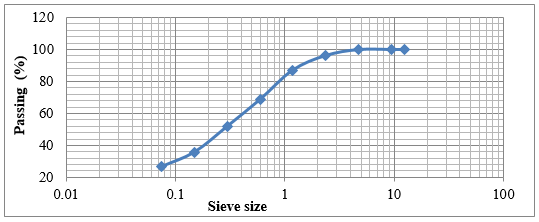
Figure 3. Gradation of WHCB.
Bitumen tests
Bitumen serves as the primary material for the manufacture of hotmix asphalt concrete. In this research, the binder utilized was of the 60/70 bitumen grade, which is typically employed in the production of hot mix asphalt concrete pavements, particularly in warmer climates. This grade is the most prevalent among bitumen types and acts as the basis for various other bituminous products. The quality and characteristics of this material significantly influence the performance and strength of the asphalt mix; thus, it is essential to thoroughly assess the quality and consistency of the bituminous material through rigorous testing. The specifications for these tests are detailed in the subsequent Table 7 below.
| No | Test description | Tests method | Obtained results | ERA specification limit |
| 1 | Specific gravity test | ASTM D-70 | 1.018 | 0.97-1.06 |
| 2 | Penetration test | ASTM D-5 | 66 | 60-70 |
| 3 | Ductility test | ASTM D-113 | 100+ | Min 50 |
| 4 | Flash point | ASTM D-92 | 304 | Min 232 |
| 5 | Softening point | ASTM D-36 | 48 | 46-56 |
| 6 | Water Content | ASTM D-244 | Nil | Free of water |
Table 7. Summary of bitumen tests.
Marshal mix characteristics
The laboratory experiment commenced with the determination of the optimal asphalt content utilizing the Marshall mix design methodology. In this study, the ideal bitumen composition for the control mix, or conventional mix design, was established at an optimum binder content of 4.85%. This design was intended for heavy traffic conditions (ESAL> 1M) and necessitated 75 blows on each side of the specimen. According to the Marshall criteria for Hot Mix Asphalt (HMA) concrete designed by ERA 2013, a compaction effort of 75 blows on both sides of the specimen is recommended for high traffic flow. The overall characteristics of the control mix, which incorporated crushed aggregate and stone dust filler, are detailed in Table 8 below.
| S. no | Mix property | Obtained result | Specification limit ERA |
| 1 | Bulk density (g/cm3) | 2.49 | ≥ 2.3 |
| 2 | Air voids (VIM) (%) | 3.46 | 3-5 |
| 3 | Void in Mineral Aggregate (VMA) (%) | 14.97 | Min 13 |
| 4 | Void Filled with Bitumen (VFB) (%) | 74.1 | 65-75 |
| 5 | Marshal stability (N) | 11,230 | ≥ 8000 |
| 6 | Flow (mm) | 2.8 | 2-3.5 |
Table 8. HMA properties of control (unmodified) HMA.
Effect of scoria on HMA properties
The application of scoria was conducted by different researchers in various phases of road construction, including subgrade soil stabilization, sub-base, road base layers, and gravel-wearing surfaces, and meets the minimum specification requirement. In this study, scoria was utilized as a fine aggregate, partially combined with crushed stone fine aggregate. The results indicated negligible differences in characteristics when compared to a conventional or control mix. Parameters of Hot Mix Asphalt (HMA), such as unit weight (bulk density), volumetric properties, stability, and flow values, were assessed. In the next session, scoria replacement of fine aggregate resulted in different properties on mixed asphalt were discussed. As effects of scoria, the numerical values obtained during the experimental test conducted were summarized in Table 9 from the analysis of incremental replacement of scoria on hot mix asphalt concrete.
| S. no | Mix properly | Modified mix type | Specification limit | ||||||
| Unit | C-M | M-1 | M-2 | M-3 | M-4 | ||||
| 1 | Gmb | g/cm3 | 2.49 | 2.425 | 2.357 | 2.316 | 2.297 | ||
| 2 | VIM | % | 3.46 | 4.84 | 4.93 | 6.57 | 7.48 | 3 | 5 |
| 3 | VMA | % | 14.97 | 13.53 | 15.86 | 16.81 | 16.15 | Min 13 | |
| 4 | VFB | % | 74.1 | 61.52 | 66.21 | 61.57 | 58.13 | 65 | 75 |
| 5 | Stability | N | 11,230 | 8,840 | 8,230 | 7,740 | 6,970 | 8000 | |
| 6 | Flow | mm | 2.88 | 2.58 | 2.64 | 2.62 | 2.49 | 2 | 3.5 |
| 7 | OBC | % | 4.85 | 4.95 | 5.1 | 5.17 | 5.2 | ||
Table 9. Effects of scoria-modified mix on HMA parameters.
Effect of scoria on bulk density: The assessment of bulk density or unit weight of a mixture is a crucial aspect of asphalt mix design. Laboratory findings from this study indicate that the unit weight of the Control Mix (C-M) was measured at 2490 kg/m³ with an optimum bitumen content of 4.85%. In comparison, the modified mixtures ten percent scoria-modified mix (M-1), twenty percent scoria-modified mix (M-2), thirty percent scoria-modified mix (M-3), and forty percent scoria-modified mix (M-4) exhibited bulk densities of 2425 kg/m3, 2357 kg/m3, 2316 kg/m3, and 2297 kg/m3, corresponding to their respective optimum bitumen contents of 4.95%, 5.1%, 5.17%, and 5.2%. This reduction in density suggests that the lightweight characteristics of the material and the mixture result in less integration compared to conventional mixes, leading to an increase in air voids that may necessitate additional filler. In compacted hot mix asphalt, bulk density typically increases up to a certain threshold, after which it tends to decline as bitumen content rises. However, this study did not reveal a similar pattern, although it did meet the required specifications. As illustrated in Figure 4 below, an increase in the amount of scoria resulted in a decrease in bulk density or unit weight.
Whereas: C-M represented the Control mix (unmodified mixture) 0% scoria used
M-1=Modified mix by 10% scoria and 90% fine aggregate
M-2=>>by 20% scoria and 80%>>
M-3=>>by 30% scoria and 70%>>
M-4=>>by 40% scoria and 60%>>
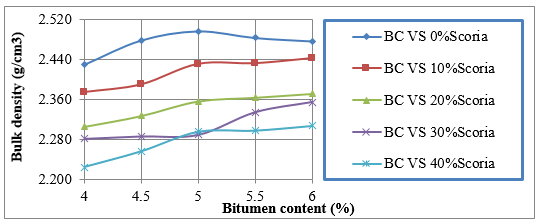
Figure 4. Effect of scoria on bulk density.
Effect of scoria on air void (VIM): Figure 5 illustrates that an increase in the percentage of scoria correlates with a rise in air voids as the replacement level in the mixture escalates. The addition of scoria may necessitate a higher bitumen content to achieve the required film thickness of the asphalt mixture, thereby meeting the air void specifications. It is established that an increase in bitumen content leads to a reduction in air voids, as it fills the voids and enhances the binding among aggregates. This observation is corroborated by the findings of this study. The air voids in the unmodified mixture are recorded at 3.46% with a 4.85% Optimum Binder Content (OBC), which falls within the minimum requirement set by ERA specifications, ranging from 3% to 5%. When scoria is incorporated up to 20% of the fine aggregates, the air voids increase to 4.93% with a bitumen concentration of 5.1% OBC. Conversely, as the scoria content rises to 30% and beyond, the air voids exceed the acceptable range, necessitating additional asphalt content, which is not cost-effective. Consequently, it is feasible to meet the air void requirements with up to 20% replacement, making it suitable for the production of Hot Mix Asphalt (HMA) within specified limits.
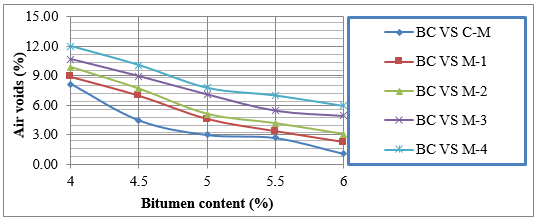
Figure 5. Effect of scoria content on air voids (VIM).
Effect of scoria on Voids in Mineral Aggregate (VMA): The Void in Mineral Aggregate (VMA) refers to the interstitial space among aggregate particles, which must be sufficiently large to accommodate the necessary air voids and asphalt binder. This aspect is crucial for the performance and longevity of hot-mix asphalt concrete. Specifically, the aggregate particles within the compacted pavement must maintain adequate spacing to ensure a sufficiently thick coating. As illustrated in Figure 6 below, an increase in the proportion of fine scoria replacement correlates with a rise in VMA. Due to its lightweight nature and extensive surface area, scoria facilitates better contact and simplifies the integration of aggregates compared to crushed fine aggregate. Nonetheless, the VMA values must meet the specified requirements. For a nominal maximum aggregate size of 12.5 mm, the minimum VMA values at 4% and 5% of voids in mineral aggregate (VIM) are set at 14% and 15%, respectively. In this investigation, the results ranged from 13.43% to 17.75%. Lower VMA values could lead to thinner asphalt films and a reduction in the durability of Hot-Mix Asphalt (HMA) pavements. Consequently, attempts to decrease VMA to minimize asphalt content are counterproductive and adversely affect pavement quality.
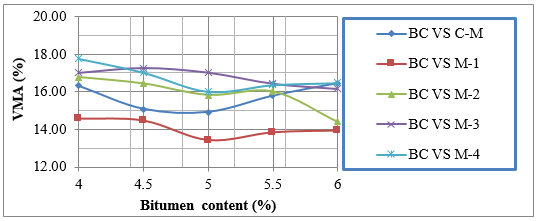
Figure 6. Effect of scoria on VMA.
Scoria effect on Voids Field with Bitumen (VFB): As the quantity of scoria replacement increases, the Void Filled with Binder (VFB) decreases. Conversely, when the binder content rises from 4% to 6%, VFB also increases, mirroring the trend observed in the control mix. The unmodified mix achieved a VFB value of 74.1% at an optimal binder content of 4.85%, while the modified mix M-2 yielded a VFB of 66.21% at an optimal binder content of 5.1%, which adheres to the recommended specifications. The graph below illustrates that as the percentage of scoria increases, the VFB declines, suggesting that scoria retains more asphalt cement compared to crushed fine aggregate.
Moreover, an increase in bitumen concentration correlates with a rise in VFB. In this study, scoria content up to 20%complied with the required specification limits, while exceeding this threshold resulted in non-compliance. The durability of Hot Mix Asphalt (HMA) is influenced by the amount of effective asphalt present; a lower proportion of voids filled with asphalt than the specified limit leads to insufficient asphalt coverage on aggregate particles. The presence of voids filled with bitumen or asphalt cement enhances the thickness of the asphalt film within the mix. If VFB is excessively low, the mixtures exhibit reduced durability, whereas an excessively high VFB can lead to instability in the mixtures (Figure 7).
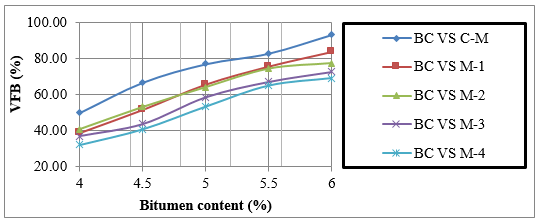
Figure 7. Effect of scoria on Voids Field with Bitumen (VFB).
Effects of scoria on marshal stability values: The outcomes of the marshall stability test for different proportions of scoria are illustrated in Figure 8. The data indicates that as the proportion of scoria in the mixtures increases, the stability rises to a threshold of 20%, after which it begins to decline with further increases in scoria content. This phenomenon can be attributed to the fact that the strength of Marshall Stability is primarily influenced by the quality of the materials utilized in the production of Hot Mix Asphalt (HMA) concrete. Scoria, when used as a substitute for fine aggregate, possesses lower strength compared to crushed aggregate materials. Additionally, due to its high absorption characteristics, the stability achieved by incorporating larger amounts of scoria into the mix diminishes. The introduction of a specific quantity of scoria also leads to a reduction in the asphalt cement required for adequate binding of the mixture, resulting in insufficient cohesion.
Furthermore, the gradation characteristics of scoria adversely affect Marshall Stability. Scoria inherently lacks fine particles, which hampers its ability to effectively fill the voids present in coarse aggregate particles when incorporated into a hot mix asphalt mixture.
In this investigation, the replacement of fine aggregate with scoria yielded favorable results at M-2 and met the minimum stability requirements up to M-3. The subsequent Figure 8 illustrates the incremental impact of scoria on Marshall stability.
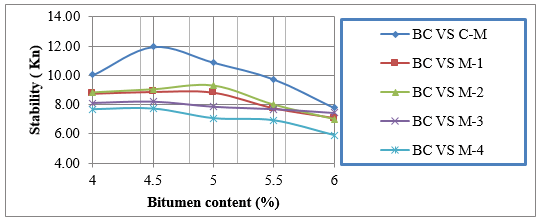
Figure 8. Effect of scoria on marshal stability value.
Effects of scoria on marshal flow value: The Marshal flow value represents the total deformation of the compacted test specimen under maximum load, measured in millimeters. Laboratory testing results indicate that the Marshall flow values decrease when scoria is partially substituted for fine aggregate, as shown in the graph below. This reduction is likely attributed to an increase in air voids, which can provide extra air void space without causing deformation of the mixture. Nevertheless, the findings demonstrate that a scoria replacement exceeding 20% still satisfies the flow level requirements outlined in the ERA Specification. The effects of scoria on the Marshal Flow value are illustrated in Figure 9 below.
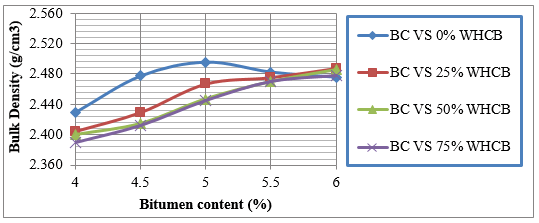
Figure 9. Effects of scoria on marshal flow value.
Effects of WHCB filler on HMA properties
This study investigates the use of hollow concrete block waste in the manufacture of hot mix asphalt concrete and looks at its different characteristics over some parts of it critically. The issue of limited natural resources is the basis for studying the development of highquality and durable composite materials that are environmentally friendly, cost-effective, and efficient. Due to the fast insult engineering, and distress of the environment, recycling used materials is of great importance for environmental protection and sustained development.
Effects of WHCB filler on bulk density: The waste HCB utilized as a substitute for mineral fillers exhibited certain density characteristics. The findings indicate that the bulk specific gravity decreased with an increase in the percentage of waste HCB. The recorded values of bulk specific gravity were 2457 kg/m3, 2438 kg/m3, and 2406 kg/m3 for the usage of 25%, 50%, and 75% waste HCB, respectively. This suggests that the material possesses a lower weight compared to stone dust filler, as evidenced by their specific gravities of 2.371 for waste HCB and 2.561 for crushed stone dust. The following Figure 10 illustrates this property.
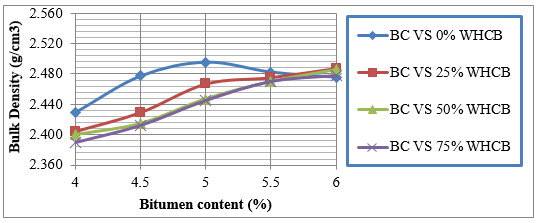
Figure 10. Effect of WHCB on bulk density.
Effects of WHCB filler on air voids: Air voids in a mixture, referred to as voids in a mixture (VIM), exhibit a slight increase with a higher percentage of WHCB filler replacement. However, at the maximum replacement level of 75% filler, a decrease in air voids is observed. As the replacement levels increased with WC-1, WC-2, and WC-3, the corresponding air voids measured were 4.36, 4.72, and 4.05, respectively. This characteristic is illustrated in Figure 11 below.
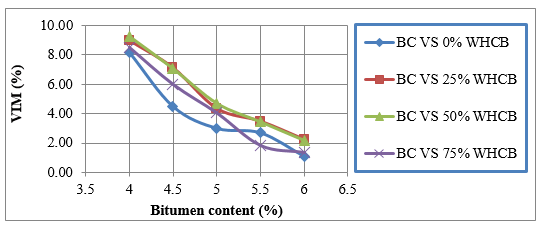
Figure 11. Effect of WHCB on air voids.
Effects of WHCB filler on the void in mineral aggregate: Hot mix asphalt concrete is largely governed by certain conditions that are very much dependent on the materials used and their qualities. In this regard, through this study, the article focuses on the impact of discarded concrete blocks also known as waste hollow concrete blocks on aggregate voids performance in asphalt. The study showed that waste material(s) like WHCB which contain a lot of voids, affects the level of Voids in Mineral Aggregate (VMA) in asphalt concrete pavement negatively or positively. The results of the investigation indicated that along with increasing amounts of WHCB, the percentage of VMA increased (Figure 12).
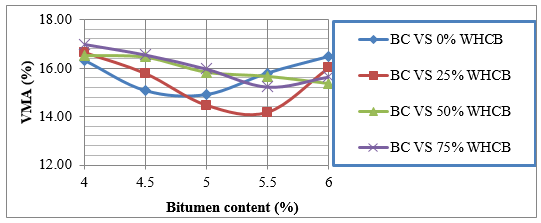
Figure 12. Effect of WHCB on Voids in Minerals Aggregate (VMA).
Effects of WHCB filler on voids filled with bitumen: As the proportion of Waste Hollow Concrete Block (WHCB) increases while maintaining the same bitumen concentration as the control mix, the volume of Voids Filled with Bitumen (VFB) diminishes. This suggests that WHCB has a lower bitumen absorption capacity compared to stone dust.
As the percentage of Waste Hollow Concrete Block (WHCB) increases while keeping the bitumen concentration consistent with the control mix, the volume of Voids Filled with Bitumen (VFB) decreases. This indicates that WHCB exhibits a lower capacity for bitumen absorption in comparison to stone dust. The results show that the bitumen content versus 0% mix was higher than 25% WHCB, BC versus 50% WHCB, and BC versus 75% WHCB mixes, ranging from 4% to 5.3%. Conversely, the BC versus 75% WHCB mix increased from 5.3% to 5.7%, demonstrating a continuous increment. The BC versus 25% WHCB mix was lower than the others but higher than the BC versus 50%WHCB mix, with values ranging from 4% to 4.5%, remaining constant from 4.5% to 5%, and then increasing from 5% to 6%. This trend is illustrated in below Figure 13, which depicts the effect of WHCB on the volume of Voids Filled with Bitumen (VFB).
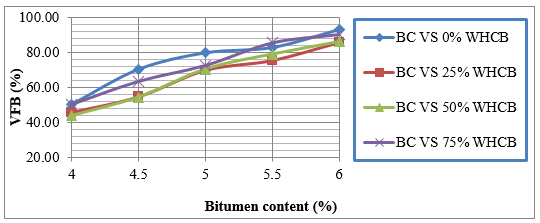
Figure 13. Effect of WHCB on Voids Field with Bitumen (VFB).
Effects of WHCB on marshal stability: The properties of Waste Hollow Concrete Block (WHCB) also affect the Marshall Stability value. Specifically, as the percentage of waste HCB replacement increases, the stability tends to decrease. This indicates that the quality of waste hollow concrete blocks is inferior to that of stone dust filler. Figure 14 illustrates the impact of varying percentages of WHCB filler on the Marshall stability of the hot mix.
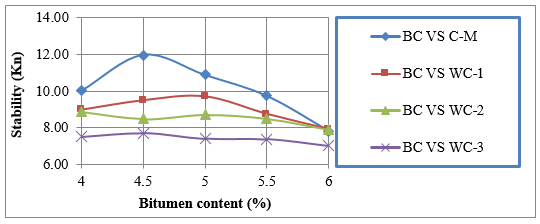
Figure 14. Effect of WHCB on marshal stability.
The stability of the C-M value concerning BC is more favorable than that of the other values, increasing from 4% to 4.5% with a rise in bituminous content, ultimately reaching a maximum of 12 kN. Following this peak, it decreases from 4.5% to 6%, resulting in a value of 8 kN, which corresponds with the comparisons made between Bitumen content (BC) and modified mix by 25% waste HCB (WC-1), as well as BC and modified mix by 50% waste HCB (WC-2). In contrast, the value of BC compared to the modified mix by 75% waste HCB (WC-3) is the lowest among all and does not meet the standard requirements, as illustrated in Figure 14 above.
Effects of WHCB on flow value: The flow value gradually rises per the incremental quantities of waste utilized, indicating that the inclusion of waste HCB in HMA concrete has a minimal impact on deformation. The influence of WHCB on HMA parameters is summarized in Table 10 below, in comparison to both the control mix and the modified trial mix:
C-M=Control mix (0% of WHCB)
WC-1=Modified mix by 25% WHCB and 75% stone dust filler
WC-2=Modified mix by 50% WHCB50%>>
WC-3=Modified mix by 75% WHCB25%>>
Figure 15 illustrates the impact of WHCB on the marshal flow value. It demonstrates that the comparison between BC and C-M values is higher than the others at bitumen contents ranging from 4% to 4.5%. This trend remains consistent with BC versus WC-3 at 4.5%, followed by an increase as the bitumen content rises from 4% to 5.5%. Subsequently, a decrease occurs, resulting in values lower than those of BC versus WC-3 at bitumen contents between 5.8% and 6%. Additionally, the comparison of BC versus WC-1 also shows an increase, albeit at lower values than the others, across the range of 4% to 6% bitumen content. The effects of WHCB on hot mix properties were conducted and the results obtained were consolidated by numerical value in Table 10 below.
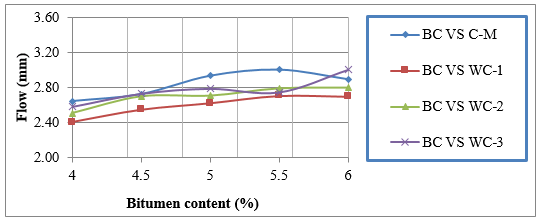
Figure 15. Effect of WHCB on marshal flow value.
| Mix properly | Modified mix type | Specification limit | |||||
| Unit | C-M | WC-1 | WC-2 | WC-3 | |||
| Density (Gmb) | g/cm3 | 2.49 | 2.457 | 2.438 | 2.406 | - | - |
| Air voids (VIM) | % | 3.46 | 4.55 | 4.84 | 5.33 | 3 | 5 |
| Voids in Mineral Aggregate (VMA) | % | 14.97 | 14.81 | 15.99 | 16.12 | Min 13 | |
| Voids Field with Bitumen (VFB) | % | 74.1 | 70.22 | 66.47 | 65.9 | 65 | 75 |
| Stability | N | 11,230 | 9,650 | 8,650 | 7,500 | 8,000 | - |
| Flow | mm | 2.8 | 2.6 | 2.7 | 2.7 | 2 | 3.5 |
| Optimum Bitumen Content (OBC) | % | 4.85 | 4.87 | - | - | ||
Table 10. Effects of the modified mix by WHCB on HMA parameters.
Combination effects of scoria and WHCB on HMA properties
The impact of these two material combinations on void parameters, Marshall Stability, flow value, Indirect Tensile Strength (ITS), and Tensile Strength Ratio (TSR) was examined. The materials met the minimum requirements for both void analysis and strength. Various trial-modified mixes were conducted, yielding favorable results when tested individually before the combination mix, as outlined in the preceding sections. At an optimum bitumen content of 5.1%, the summary of the combinations of different trial mixes is presented in the Table 11 below.
| Mix properly | Modified mix type | Specification limit | |||||
| Unit | M-1+WC-1 | M-1+WC-2 | M-2+WC-1 | M-2+WC-2 | Min | Max | |
| Density (Gmb) | g/cm3 | 2.437 | 2.404 | 2.368 | 2.357 | - | - |
| VIM | % | 4.45 | 4.12 | 4.92 | 5.24 | 3 | 5 |
| VMA | % | 14.71 | 15.19 | 18.64 | 17.71 | 14 | |
| VFB | % | 65.4 | 64.82 | 73.59 | 70.8 | 65 | 75 |
| Stability | N | 7,930 | 8,150 | 8,690 | 8,130 | 8,000 | |
| Flow | mm | 3.17 | 2.96 | 3.08 | 3.21 | 2 | 3.5 |
Table 11. Combination properties of scoria and recycled WHCB on HMA.
The data presented in the table indicates that the combination of scoria and waste HCB at M-2+WC-1 exhibited superior stability compared to other combinations. Stability is a critical characteristic of the mixture's properties and significantly influences overall pavement performance. As illustrated in the table, this specific mixture achieved a bulk density of 2.368 g/cm3, marshal stability of 8.69 kN, and a flow value of 3.08 mm. Additionally, the void parameters, including air voids (VIM), Voids in Mineral Aggregate (VMA), and Voids Filled with Bitumen (VFB), were recorded at 4.92, 18.64, and 73.59, respectively. Consequently, the M-2 and WC-1 combination demonstrated excellent performance in HMA concrete, while other combinations yielded lower values.
Indirect tensile strength and tensile strength ratio
The moisture sensitivity of hot-mix asphalt concrete can be assessed through various methods. One of the most commonly employed techniques is the Indirect Tensile Test (ITS), which necessitates a minimum of six compacted specimens. Of these, three specimens are designated as dry or unconditioned, while the remaining three are classified as wet or conditioned. These samples are utilized to evaluate the indirect tensile strength and the tensile strength ratio. The accompanying figure illustrates a sample prepared for the ITS test.
The mode of failure varies between the two specimen types; unconditioned specimens typically exhibit minimal cracking, while conditioned samples tend to display more extensive cracking. This indicates a higher sensitivity to moisture, leading to increased susceptibility to failure under traffic loads, particularly when subjected to temperature fluctuations during their service life.
Indirect Tensile Strength (ITS): The Indirect Tensile Strength (ITS), also referred to as the Indirect Diametrical Test (IDT), assesses the capacity of materials to withstand cracking induced by environmental factors and traffic loads. The average ITS values obtained from tests on both the control specimen and the combination of scoria and waste hollow concrete block specimens under wet and dry conditions are displayed in Table 12 below.
| Mix type | Un conditioned (Dry) | Conditioned (Wet) | ||
| Load at failure (N) | ITS (kpa) | Load at failure (N) | ITS (kpa) | |
| Control mix | 11,167 | 10.68 | 9,133 | 8.76 |
| Modified mix | 10,333 | 9.84 | 7,967 | 7.51 |
Table 12. Load at failure and ITS for a mixed type with test conditions.
The table shows that the Indirect Tensile Strength (IDT) of the controlled (unmodified) asphalt concrete mix is 7.87% higher than that of the changed mix in the unconditioned subset. In contrast, the adjusted mixture demonstrates a 14.27% reduction in the conditioned subset. This suggests that the scoria and Waste Hot Mix Asphalt (WHCB) combination performs less well in resisting cracking of asphalt concrete pavement than the conventional asphalt mix under wet conditions.
Tensile Strength Ratio (TSR): The ratio of the tensile strength of three conditioned (wet) subsets to that of three unconditioned (dry) subsets is referred to as the Tensile Strength Ratio (TSR). The results obtained from these two subsets, with a degree of saturation exceeding 70%, are presented in Table 13 below.
| Mix type | Degree of saturation in (%) | TSR (%) |
| Control mix | 77.3 | 81.96 |
| Modified mix | 75.4 | 76.34 |
Table 13. TSR for control and modified mix at its degree of saturation.
As indicated in Table 13, the Tensile Strength Ratio (TSR) for the control or unmodified combination is 81.96%, falling within the acceptable standard range. The modified specimen exhibited a TSR of 76.34%, which satisfies the minimum requirement of 75%. These results reveal that the modified mix has a resistance that is 5.62% lower than that of the control asphalt concrete mix. Consequently, it can be inferred that the incorporation of scoria and waste hollow concrete blocks in Hot Mix Asphalt (HMA) would provide adequate resistance to moisture-related damage.
This research focuses on the potential use of scoria and Waste Hollow Concrete Block (WHCB) as partial substitutes for fine aggregate and mineral filler, respectively. Laboratory test results indicate that the physical properties of scoria generally meet the minimum standards, except water absorption. This material is characterized by its non-plastic nature, lightweight composition, and higher water absorption compared to traditional aggregates; however, when combined with fine aggregate, it fulfills the minimum requirements. Likewise, WHCB filler exhibits non-plastic and binding characteristics, attributed to the cement involved in the prior production of hollow concrete blocks.
In marshal mix design, the characteristics of Hot Mix Asphalt (HMA) parameters, including bulk density, Voids in Mineral Aggregate (VMA), Voids Filled with Bitumen (VFB), stability, and flow, were influenced by the results of experiments conducted on modified mixtures utilizing scoria and Waste Hot Mix Asphalt (WHCB) both separately and in combination. The substitution of fine aggregate with scoria demonstrated a notable impact on HMA properties. Specifically, as the percentage of scoria replacement increased, the Bulk Specific Gravity (BSG) and VFB decreased due to the lightweight nature of the material and its absorption characteristics. Conversely, the air voids (VIM) increased slightly, necessitating additional bitumen, while VMA also experienced a gradual increase attributed to the material's coarseness and insufficient integration with coarse aggregates, leading to higher voids in the mineral aggregate. The marshal stability exhibited a slight increase from M-1 to M-2 with scoria replacement; however, it decreased at M-3 and fell below the specification limit at M-4, a trend attributed to the lower strength of scoria compared to crush fine aggregate. The results indicated that the partial replacement of WHCB as a filler mineral met the volumetric requirements. At a 25% WHCB replacement, stability was recorded at 9.65 kN, which decreased to 8.65 kN at 50% and further to 7.5 kN at 75%. Thus, this waste filler yielded acceptable marshal stability results up to a 50%replacement in HMA production. Tests on mixtures combining scoria and WHCB yielded satisfactory results that met specification requirements. A combination of 20% scoria and 25% WHCB resulted in a stability of 8.69 kN and a flow value of 3.08 mm. The Indirect Tensile Strength (ITS) tests for both modified and unmodified mixes met the necessary criteria; however, the unmodified (control) mixture exhibited a 7.87% higher strength than the modified asphalt mix in dry conditions and a 14.27%higher strength in wet conditions. The adjusted mixture comprising M-2 and WC-1 demonstrates a 5.62% decrease in Tensile Strength Ratio (TSR) compared to the control mixture. Nevertheless, the findings indicate that the combination of scoria and WHCB exhibits resilience against moisture-induced damage.
This research aimed to provide valuable insights regarding the substitution of scoria as a fine aggregate and WHCB dust as a filler in Asphalt Concrete (AC) mixtures. It is intended for engineers and researchers who seek to advance their studies in this area. The findings suggest practical applications and further investigations
The results indicate that scoria can effectively replace fine aggregate, potentially alleviating economic pressures caused by the limited availability of crushed fine aggregate. It is advisable to utilize this material in regions with low rainfall, as scoria's high water absorption and percolation properties may adversely affect the bond between bitumen and aggregate, leading to asphalt pavement deterioration. The recycling of WHCB presents significant environmental benefits and can serve as a filler in Hot Mix Asphalt (HMA) concrete production when applied appropriately.
Further research is recommended to explore the chemical composition of scoria and WHCB and their impacts on asphalt concrete mixtures. This study was conducted with limited resources. Future assessments should include experimental tests not covered in this thesis. Additionally, it is important to consider and compare the cost differences associated with fuel or electric power consumption during the crushing of aggregates and scoria for enhanced economic benefits.
Journal of Civil and Environmental Engineering received 1798 citations as per Google Scholar report