Opinion - (2025) Volume 14, Issue 3
Received: 02-Jun-2025, Manuscript No. jhoa-26-187800;
Editor assigned: 04-Jun-2025, Pre QC No. P-187800;
Reviewed: 18-Jun-2025, QC No. Q-187800;
Revised: 23-Jun-2025, Manuscript No. R-187800;
Published:
30-Jun-2025
, DOI: 10.37421/2167-1095.2025.14.524
Citation: Novak, Peter. ”Diabetes and Hypertension: Shared Paths to Complications.” J Hypertens 14 (2025):524.
Copyright: © 2025 Novak P. This is an open-access article distributed under the terms of the Creative Commons Attribution License, which permits unrestricted use, distribution and reproduction in any medium, provided the original author and source are credited.
Diabetes mellitus and hypertension represent a significant and challenging comorbidity that profoundly impacts global health, necessitating a comprehensive understanding of their intricate relationship and management strategies. The dual pathology arising from these conditions significantly elevates the risk of developing severe cardiovascular complications, renal dysfunction, and microvascular damage, underscoring the urgent need for integrated therapeutic approaches. Understanding the shared pathophysiological mechanisms, such as insulin resistance, endothelial dysfunction, and systemic inflammation, is absolutely crucial for effectively managing patients presenting with both diabetes and hypertension. This knowledge forms the bedrock for developing early diagnostic tools and integrated treatment strategies that comprehensively target both conditions, ultimately aiming to mitigate long-term morbidity and mortality. [1] Investigations into the prevalence and clinical characteristics of hypertension within populations diagnosed with type 2 diabetes have consistently revealed a high rate of co-occurrence, indicating a strong bidirectional link between these two chronic diseases. Specific patient profiles, including advanced age, the presence of obesity, and a longer duration of diabetes, have been identified as significant risk factors for the subsequent development of hypertension, highlighting the importance of personalized risk assessment. The research emphatically emphasizes the critical need for aggressive blood pressure control in diabetic patients as a cornerstone strategy to prevent the onset and reduce the severity of cardiovascular events. [2] Endothelial dysfunction has emerged as a pivotal and common pathway in the pathogenesis and progression of both diabetes and hypertension, acting as a unifying factor in vascular complications. This article meticulously details how chronic hyperglycemia and persistently elevated blood pressure contribute to impaired nitric oxide bioavailability, heightened oxidative stress, and chronic inflammation, all of which collectively lead to progressive vascular damage. Consequently, therapeutic strategies specifically aimed at improving endothelial function are increasingly recognized as an indispensable component of comprehensive care for affected individuals. [3] Insulin resistance has been identified as a fundamental metabolic element that critically links the complex conditions of metabolic syndrome, type 2 diabetes, and hypertension, forming a vicious cycle of physiological dysfunction. This paper rigorously explores the intricate molecular mechanisms through which insulin resistance exerts its influence on vascular tone regulation, sodium handling by the kidneys, and sympathetic nervous system activity, all of which are integral to the pathogenesis of elevated blood pressure. Furthermore, the implications for developing targeted pharmacological interventions aimed at improving insulin sensitivity are thoroughly discussed. [4] The profound impact of the renin-angiotensin-aldosterone system (RAAS) on the complex comorbidity of diabetes and hypertension is a critical area of study, revealing its significant role in exacerbating both conditions. Dysregulation within the RAAS is known to contribute substantially to both hyperglycemia and elevated blood pressure through a variety of interconnected pathophysiological mechanisms. This review compellingly highlights the established efficacy of RAAS inhibitors as a vital therapeutic class in the comprehensive management of both diabetes and hypertension, as well as in the effective prevention of their associated debilitating complications. [5] The intricate role of inflammation in the development and relentless progression of diabetic nephropathy and hypertensive kidney disease has been a subject of intense research and clinical focus. Chronic low-grade systemic inflammation, frequently exacerbated by the sustained presence of hyperglycemia and high blood pressure, directly leads to progressive and often irreversible renal damage. Therefore, targeting inflammatory pathways concurrently with metabolic and hemodynamic control is increasingly proposed as a novel and promising therapeutic approach to preserve renal function. [6] The complex interplay among diabetes, hypertension, and the development of cardiovascular disease is further elucidated, revealing synergistic mechanisms that accelerate vascular damage. Hyperglycemia and hypertension, when coexisting, act synergistically to accelerate the atherosclerotic process, thereby significantly increasing the risk of myocardial infarction, stroke, and the development of heart failure. Consequently, the authors strongly advocate for the implementation of a multi-faceted, comprehensive approach to the management of all relevant risk factors. [7] This article provides an in-depth overview of the significant diagnostic challenges and diverse treatment strategies tailored for patients who are burdened with both diabetes and hypertension, two common yet complex chronic conditions. It places a strong emphasis on the paramount importance of developing individualized treatment plans that meticulously consider optimal glycemic control, specific blood pressure targets, and the presence of any coexisting comorbidities. Both pharmacological interventions and essential lifestyle modifications are discussed in comprehensive detail. [8] Oxidative stress has been identified as a critical common denominator that underlies the pathogenesis of both diabetes and hypertension, providing a unifying mechanistic link between these prevalent diseases. Both conditions are independently associated with an overproduction of reactive oxygen species, which leads to cellular damage and significantly contributes to the development of vascular dysfunction and widespread organ damage. Consequently, the potential role of antioxidant therapies as valuable adjuncts to conventional treatment regimens is actively discussed. [9] This comprehensive review meticulously examines the profound impact of various lifestyle modifications on individuals who are concurrently managing both diabetes and hypertension, two common chronic conditions. Key interventions such as specific dietary recommendations, consistent engagement in regular physical activity, effective weight management strategies, and prompt smoking cessation are presented as absolutely crucial components of a truly holistic and effective treatment strategy. The synergistic benefits derived from implementing these lifestyle changes in simultaneously improving both glycemic control and blood pressure regulation are strongly emphasized. [10]
Diabetes mellitus and hypertension are intricately linked conditions, where each disease significantly amplifies the risk of developing the other, creating a complex clinical scenario. This dual pathology has a profound impact, leading to exacerbated cardiovascular complications, progressive renal dysfunction, and widespread microvascular damage, necessitating a coordinated approach to patient care. A deep understanding of the shared pathophysiological mechanisms, including insulin resistance, endothelial dysfunction, and inflammatory processes, is absolutely essential for the effective and efficient management of patients with these coexisting conditions. Consequently, early diagnosis coupled with integrated treatment strategies that comprehensively target both diabetes and hypertension is paramount to reducing long-term morbidity and mortality rates. [1] Studies investigating the prevalence and specific clinical characteristics of hypertension among individuals diagnosed with type 2 diabetes have consistently demonstrated a high rate of co-occurrence, underscoring the significant overlap between these two prevalent chronic diseases. Certain patient profiles, notably those characterized by advanced age, the presence of obesity, and a longer established duration of diabetes, have been identified as being particularly susceptible to the subsequent development of hypertension. This research strongly reiterates the critical imperative for aggressive blood pressure control in all diabetic patients as a primary strategy to effectively prevent the occurrence of cardiovascular events. [2] Endothelial dysfunction has been identified as a central and unifying pathophysiological mechanism that plays a critical role in both the development and the progressive advancement of diabetes and hypertension. This detailed review elaborates on how the persistent effects of hyperglycemia and sustained elevated blood pressure contribute to a detrimental cascade of impaired nitric oxide bioavailability, increased oxidative stress, and chronic inflammation, ultimately leading to significant vascular damage. Therefore, the implementation of therapeutic strategies specifically designed to enhance and improve endothelial function is highlighted as a key and indispensable component of comprehensive patient management. [3] Insulin resistance stands as a foundational metabolic element that critically connects the constellation of metabolic syndrome, type 2 diabetes, and hypertension, forming a complex interplay of physiological dysregulation. This meticulously researched paper delves into the intricate molecular mechanisms by which insulin resistance exerts its influence on crucial physiological processes, including vascular tone regulation, renal sodium handling, and sympathetic nervous system activity, all of which are directly implicated in the pathogenesis of elevated blood pressure. Furthermore, the significant implications for the development of targeted pharmacological interventions designed to enhance insulin sensitivity are thoroughly explored. [4] The significant impact of the renin-angiotensin-aldosterone system (RAAS) on the complex comorbidity of diabetes and hypertension is a subject of ongoing investigation, revealing its multifaceted role in exacerbating both conditions. Dysregulation within the RAAS is recognized as a key contributor to both hyperglycemia and elevated blood pressure through a variety of interconnected pathophysiological pathways. This comprehensive review compellingly underscores the proven efficacy of RAAS inhibitors as a vital therapeutic class in the effective management of both diabetes and hypertension, as well as in the crucial prevention of their associated debilitating long-term complications. [5] The crucial role of inflammation in the pathogenesis and relentless progression of diabetic nephropathy and hypertensive kidney disease has been a focal point of extensive research. Chronic, low-grade systemic inflammation, which is frequently intensified by the presence of hyperglycemia and high blood pressure, directly precipitates progressive and often irreversible damage to the renal tissues. Consequently, targeting these inflammatory pathways concurrently with the control of metabolic and hemodynamic factors is increasingly being proposed as a novel and potentially highly effective therapeutic strategy to preserve kidney function. [6] The intricate and often synergistic interplay among diabetes, hypertension, and the development of overt cardiovascular disease is further illuminated in this important paper, highlighting mechanisms of mutual exacerbation. Coexisting hyperglycemia and hypertension synergistically accelerate the atherosclerotic process, thereby significantly increasing an individual's risk of experiencing a myocardial infarction, stroke, or developing overt heart failure. In light of these profound risks, the authors strongly advocate for the adoption of a comprehensive, multi-faceted approach to the meticulous management of all identifiable risk factors. [7] This article offers a detailed overview of the substantial diagnostic challenges and the diverse array of treatment strategies that are specifically designed for patients who are managing the dual burden of both diabetes and hypertension. It places a considerable emphasis on the paramount importance of developing highly individualized treatment plans that meticulously consider optimal glycemic control targets, precise blood pressure goals, and the presence of any other significant comorbidities. Both essential pharmacological interventions and critical lifestyle modifications are discussed in comprehensive detail. [8] Oxidative stress has emerged as a critical unifying mechanism that significantly contributes to the shared pathogenesis of both diabetes and hypertension, providing a common molecular denominator for these prevalent conditions. Both diabetes and hypertension are independently associated with an excessive production of harmful reactive oxygen species, which directly leads to cellular damage and significantly contributes to the development of vascular dysfunction and subsequent organ damage. Therefore, the potential utility of antioxidant therapies as valuable adjuncts to established conventional treatment regimens is actively discussed. [9] This extensive review carefully examines the significant impact of various essential lifestyle modifications on individuals who are simultaneously managing the complexities of both diabetes and hypertension. Key interventions such as specific dietary adjustments, consistent engagement in regular physical activity, effective weight management practices, and timely smoking cessation are presented as absolutely vital components of a truly holistic and effective treatment strategy. The synergistic benefits derived from implementing these comprehensive lifestyle changes in simultaneously improving both glycemic control and blood pressure regulation are strongly emphasized. [10]
Diabetes and hypertension are closely linked, with each condition increasing the risk of the other, leading to exacerbated cardiovascular, renal, and microvascular complications. Shared pathophysiological mechanisms like insulin resistance, endothelial dysfunction, and inflammation are crucial for effective management. Early diagnosis and integrated treatment strategies targeting both conditions are essential to reduce long-term morbidity and mortality. Studies highlight a high co-occurrence of hypertension in type 2 diabetes, with factors like age and obesity increasing susceptibility, emphasizing aggressive blood pressure control. Endothelial dysfunction is a common pathway, with hyperglycemia and high blood pressure impairing vascular health. Insulin resistance links metabolic syndrome, diabetes, and hypertension by affecting vascular tone and kidney function. The renin-angiotensin-aldosterone system plays a significant role, and RAAS inhibitors are effective. Inflammation contributes to kidney disease in both conditions, suggesting targeted therapies. Cardiovascular complications arise from the synergistic effects of hyperglycemia and hypertension. Managing dual conditions requires individualized treatment plans, considering glycemic control, blood pressure targets, and comorbidities. Oxidative stress is a common factor, leading to vascular and organ damage. Lifestyle modifications, including diet, exercise, and weight management, are crucial for holistic care. Comprehensive approaches integrating pharmacological, lifestyle, and mechanistic interventions are key to improving outcomes for patients with coexisting diabetes and hypertension.
None
None
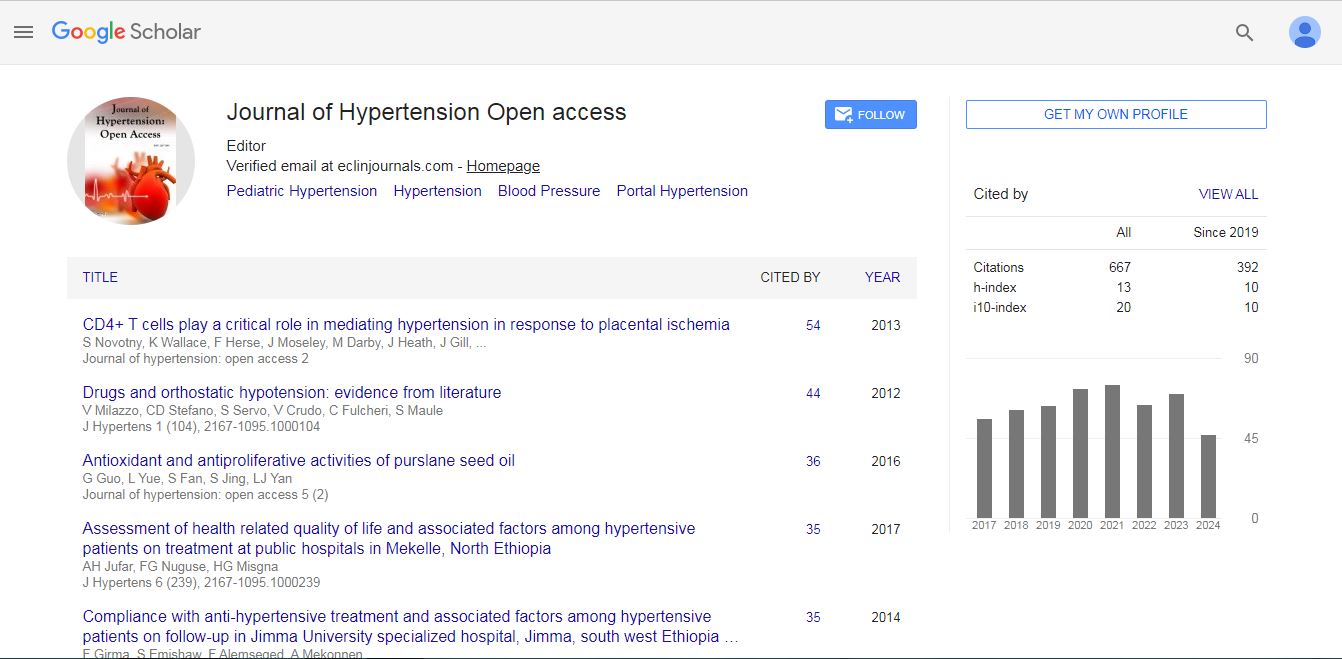
Journal of Hypertension: Open Access received 614 citations as per Google Scholar report