Perspective - (2025) Volume 10, Issue 2
Received: 01-Apr-2025, Manuscript No. jomp-26-185082;
Editor assigned: 03-Apr-2025, Pre QC No. P-185082;
Reviewed: 17-Apr-2025, QC No. Q-185082;
Revised: 22-Apr-2025, Manuscript No. R-185082;
Published:
29-Apr-2025
, DOI: 10.37421/2576-3857.2025.10.300
Citation: Petrova, Sofia. ”CRISPR-Cas9: Revolutionizing Hematologic Cancer Therapies.” J Oncol Med and Pract 10 (2025):300.
Copyright: © 2025 Petrova S. This is an open-access article distributed under the terms of the Creative Commons Attribution License, which permits unrestricted use, distribution and reproduction in any medium, provided the original author and source are credited.
CRISPR-Cas9 gene editing technology has emerged as a transformative tool with profound implications for the treatment of hematologic malignancies, offering unprecedented precision in genetic modification. Its capacity to target and alter specific DNA sequences holds immense potential for correcting disease-causing mutations that underlie various blood cancers. By enabling precise genetic interventions, CRISPR-Cas9 opens avenues for developing novel therapeutic strategies aimed at eradicating malignant cells and restoring healthy hematopoiesis. The technology can be harnessed to engineer immune cells, such as T-cells, to enhance their anti-tumor immune responses, a development that has significantly impacted the treatment landscape of certain hematologic cancers. Furthermore, its application extends to addressing inherited blood disorders, which can sometimes predispose individuals to or coexist with hematologic malignancies, by correcting the underlying genetic defects in hematopoietic stem cells. The pursuit of precision medicine in oncology has found a powerful ally in CRISPR-Cas9, allowing for the targeting of specific molecular vulnerabilities within hematologic cancers, thereby paving the way for personalized treatment regimens. A critical aspect of advancing CRISPR-Cas9 therapies for hematologic malignancies involves overcoming challenges related to the efficient and safe delivery of its components to target cells within the bone marrow. Concurrently, the potential for off-target edits necessitates rigorous research to enhance the specificity of the CRISPR-Cas9 system and minimize unintended genetic modifications. Beyond direct therapeutic interventions, CRISPR-Cas9 plays a crucial role in functional genomics, aiding in the identification of novel therapeutic targets and the elucidation of complex disease mechanisms in hematologic malignancies. The rapid advancement of CRISPR-Cas9 applications in engineering immune cells, including but not limited to CAR-T cells, for the treatment of relapsed or refractory hematologic malignancies is a testament to its growing clinical relevance. However, the widespread adoption of CRISPR-Cas9 technology is intrinsically linked to navigating a complex ethical landscape, which includes considerations around germline modifications and ensuring equitable access to these cutting-edge therapies for all patients with hematologic malignancies. CRISPR-Cas9 gene editing is significantly advancing the treatment of hematologic malignancies by enabling precise genetic modifications. This technology can be used to correct disease-causing mutations and develop novel therapeutic strategies. It also enhances anti-tumor immune responses through CAR-T cell engineering, revolutionizing the treatment of certain B-cell malignancies by precisely editing T-cells to express chimeric antigen receptors, thereby targeting malignant cells more effectively. Research is focused on expanding its utility to other hematologic cancers and improving safety profiles. Furthermore, CRISPR-Cas9 offers a precise method to correct genetic defects in hematopoietic stem cells for treating inherited blood disorders, which can be precursors to or coexist with hematologic malignancies, holding promise for durable, curative therapies by restoring normal gene function. Precision medicine approaches, including CRISPR-Cas9, are being explored to target specific molecular vulnerabilities in various hematologic cancers, with the ability to edit genes involved in drug resistance or aberrant signaling pathways opening new avenues for personalized treatment regimens. A critical hurdle in the application of CRISPR-Cas9 for hematologic malignancies is the delivery of its components to target cells within the bone marrow, with viral vectors and lipid nanoparticles being leading strategies, though optimizing their efficiency and safety for in vivo editing remains an active area of research. Off-target edits represent a major safety concern, prompting researchers to develop improved Cas9 variants and guide RNA designs to enhance specificity and minimize unintended genetic modifications in the context of treating hematologic cancers. The application of CRISPR-Cas9 to engineer immune cells for treating relapsed or refractory hematologic malignancies is rapidly advancing, with strategies extending beyond CAR-T cells to include enhancing NK cell cytotoxicity and developing multi-specific immune cell therapies. Additionally, CRISPR-Cas9 can be utilized to disrupt genes that confer resistance to standard chemotherapies or targeted agents in hematologic cancers, aiming to re-sensitize cancer cells and improve outcomes in combination therapies. The ethical landscape surrounding CRISPR-Cas9 gene editing, particularly concerning germline modifications and equitable access to novel therapies for hematologic malignancies, requires careful consideration and public discourse. Finally, CRISPR-Cas9 serves as a powerful tool for functional genomics studies in hematologic malignancies, aiding in the identification of novel therapeutic targets and the elucidation of disease mechanisms, including screening for essential genes and understanding oncogenic pathways. CRISPR-Cas9 gene editing demonstrates significant promise in treating hematologic malignancies through precise genetic modifications. It facilitates the correction of disease-causing mutations and the development of innovative therapeutic strategies. This technology also enhances anti-tumor immune responses via CAR-T cell engineering, revolutionizing the treatment of specific B-cell malignancies by enabling targeted expression of chimeric antigen receptors on T-cells. Ongoing research aims to broaden its application to other hematologic cancers and improve safety. Moreover, CRISPR-Cas9 provides a precise method for correcting genetic defects in hematopoietic stem cells, offering potential curative therapies for inherited blood disorders that may coexist with or lead to hematologic malignancies by restoring normal gene function. In line with precision medicine, CRISPR-Cas9 is being employed to target specific molecular vulnerabilities in hematologic cancers, enabling the development of personalized treatment plans by editing genes related to drug resistance or abnormal signaling. A significant challenge in applying CRISPR-Cas9 to hematologic malignancies is the effective delivery of its components to bone marrow cells, with viral vectors and lipid nanoparticles being primary approaches, though their efficiency and safety for in vivo editing are subjects of intensive research. The risk of off-target edits is a primary safety concern, driving efforts to develop more specific Cas9 variants and guide RNA designs to reduce unintended genetic alterations in hematologic cancer treatment. The use of CRISPR-Cas9 to engineer immune cells for treating relapsed or refractory hematologic malignancies is rapidly progressing, with advancements including enhanced NK cell activity and multi-specific immune cell therapies beyond CAR-T cells. It can also be used to disrupt genes conferring resistance to chemotherapy or targeted agents, aiming to re-sensitize cancer cells and improve combination therapy outcomes. The ethical implications of CRISPR-Cas9, especially regarding germline modifications and access to therapies for hematologic malignancies, necessitate thorough discussion and consideration. Critically, CRISPR-Cas9 serves as an invaluable tool for functional genomics in hematologic malignancies, assisting in the discovery of new therapeutic targets and understanding disease pathways, including screening essential genes and oncogenic mechanisms. CRISPR-Cas9 gene editing shows considerable promise in the treatment of hematologic malignancies by enabling highly precise genetic modifications. This technology can be employed to correct mutations that cause disease and to devise novel therapeutic strategies. It also plays a role in enhancing anti-tumor immune responses through the engineering of CAR-T cells, which has profoundly changed the treatment of certain B-cell malignancies by precisely altering T-cells to express chimeric antigen receptors that target cancer cells more effectively. Current research efforts are focused on extending its therapeutic utility to other forms of hematologic cancer and on enhancing its safety profile. Additionally, CRISPR-Cas9 offers a precise means to correct genetic defects within hematopoietic stem cells, thereby holding promise for the curative treatment of inherited blood disorders that may precede or co-exist with hematologic malignancies, by restoring the normal function of genes within the patient's own stem cells. The advancement of precision medicine in the context of hematologic cancers is significantly aided by CRISPR-Cas9, which allows for the targeting of unique molecular vulnerabilities and opens new avenues for tailored treatment regimens through gene editing. A key challenge that requires ongoing research and development pertains to the efficient and safe delivery of CRISPR-Cas9 components to the intended target cells within the bone marrow, with viral vectors and lipid nanoparticles being prominent delivery strategies currently under investigation. A significant safety concern associated with CRISPR-Cas9 technology is the occurrence of off-target edits, which has spurred intensive research into the development of improved Cas9 variants and refined guide RNA designs to increase specificity and minimize unintended genetic alterations when used for hematologic cancer treatment. The application of CRISPR-Cas9 in engineering immune cells for the treatment of patients with relapsed or refractory hematologic malignancies is progressing at a rapid pace, with ongoing research exploring strategies beyond CAR-T cells, such as boosting NK cell cytotoxicity and developing multi-functional immune cell therapies. Furthermore, CRISPR-Cas9 can be utilized to inactivate genes that confer resistance to conventional chemotherapies or targeted therapies in hematologic cancers, with the objective of restoring sensitivity to these treatments and improving outcomes when used in combination. The ethical considerations surrounding the use of CRISPR-Cas9 gene editing technologies, particularly concerning potential germline modifications and ensuring equitable access to advanced therapies for individuals with hematologic malignancies, necessitate careful deliberation and open societal dialogue. Finally, CRISPR-Cas9 serves as an indispensable tool for functional genomics research within the field of hematologic malignancies, greatly assisting in the identification of previously unknown therapeutic targets and the deeper understanding of disease pathogenesis, including facilitating screens for essential genes and clarifying the roles of oncogenic pathways. CRISPR-Cas9 gene editing represents a significant advancement in the therapeutic landscape for hematologic malignancies, offering precise genetic modifications. Its utility extends to correcting disease-causing mutations and pioneering novel treatment strategies. The technology enhances anti-tumor immunity through CAR-T cell engineering, a breakthrough that has revolutionized the management of certain B-cell leukemias and lymphomas by creating T-cells that specifically target malignant cells. Current research aims to broaden this approach to other hematologic cancers and improve patient safety. Furthermore, CRISPR-Cas9 provides a precise method for correcting genetic defects in hematopoietic stem cells, offering potential cures for inherited blood disorders that can lead to or accompany hematologic malignancies by restoring normal gene function. In the realm of precision oncology, CRISPR-Cas9 is employed to target specific molecular weaknesses in hematologic cancers, paving the way for personalized therapies through gene editing. A primary challenge involves the effective and safe delivery of CRISPR-Cas9 components to bone marrow cells, with viral vectors and lipid nanoparticles being key areas of ongoing research to optimize in vivo editing. Off-target edits remain a critical safety concern, driving the development of more specific Cas9 variants and guide RNA designs to minimize unintended genetic alterations in hematologic cancer treatments. The use of CRISPR-Cas9 to engineer immune cells for treating refractory hematologic malignancies is rapidly advancing, with strategies expanding beyond CAR-T cells to include enhanced NK cell activity and multi-specific immune cell therapies. It can also be used to disable genes that confer resistance to existing therapies, potentially re-sensitizing cancer cells and improving combination treatment efficacy. The ethical dimensions of CRISPR-Cas9, particularly germline editing and fair access to therapies for hematologic malignancies, require careful societal consideration and public engagement. Moreover, CRISPR-Cas9 serves as a powerful tool for functional genomics studies in hematologic malignancies, aiding in the discovery of new therapeutic targets and the unraveling of disease mechanisms. CRISPR-Cas9 gene editing is making substantial contributions to the treatment of hematologic malignancies through precise genetic interventions. This technology is instrumental in correcting disease-causing mutations and developing innovative therapeutic approaches. It also serves to augment anti-tumor immune responses by engineering CAR-T cells, a strategy that has transformed the treatment of specific B-cell hematologic malignancies through targeted genetic modification of T-cells to express chimeric antigen receptors. Active research is focused on extending its applicability to a wider range of hematologic cancers and enhancing its safety profile. Furthermore, CRISPR-Cas9 presents a precise method for rectifying genetic defects in hematopoietic stem cells, offering the prospect of curative treatments for inherited blood disorders that may precede or coexist with hematologic malignancies by restoring normal gene function. In the context of precision medicine, CRISPR-Cas9 is being utilized to target specific molecular vulnerabilities inherent in hematologic cancers, thereby opening new avenues for highly personalized treatment regimens. A key obstacle in the clinical application of CRISPR-Cas9 for hematologic malignancies is the efficient and safe delivery of its components to target cells within the bone marrow, with viral vectors and lipid nanoparticles being leading candidates in ongoing research. The potential for unintended off-target edits constitutes a significant safety concern, motivating extensive research into developing more specific Cas9 variants and guide RNA designs to mitigate unintended genetic modifications in the treatment of hematologic cancers. The application of CRISPR-Cas9 in the engineering of immune cells for the treatment of relapsed or refractory hematologic malignancies is rapidly progressing, with ongoing exploration of strategies beyond CAR-T cells, including enhancement of NK cell cytotoxicity and development of multi-specific immune cell therapies. Additionally, CRISPR-Cas9 can be employed to disrupt genes that confer resistance to standard chemotherapies or targeted agents in hematologic cancers, aiming to improve treatment outcomes through re-sensitization of cancer cells in combination therapies. The ethical implications surrounding CRISPR-Cas9 gene editing, particularly concerning germline modifications and ensuring equitable access to advanced therapies for hematologic malignancies, necessitate careful consideration and broad public discourse. Lastly, CRISPR-Cas9 serves as a powerful tool for functional genomics studies in hematologic malignancies, facilitating the identification of novel therapeutic targets and the elucidation of disease mechanisms, including screens for essential genes and understanding oncogenic pathways. CRISPR-Cas9 gene editing offers significant promise in treating hematologic malignancies by enabling precise genetic modifications. Its applications include correcting disease-causing mutations and developing novel therapeutic strategies. The technology enhances anti-tumor immune responses through CAR-T cell engineering, revolutionizing the treatment of certain B-cell malignancies by specifically targeting malignant cells. Research is expanding its use to other hematologic cancers and improving safety. CRISPR-Cas9 also precisely corrects genetic defects in hematopoietic stem cells, offering potential cures for inherited blood disorders that can lead to or coexist with hematologic malignancies by restoring normal gene function. Precision medicine approaches utilize CRISPR-Cas9 to target specific molecular vulnerabilities in hematologic cancers, leading to personalized treatment plans. A critical challenge is the efficient and safe delivery of CRISPR-Cas9 components to bone marrow cells, with ongoing research focusing on viral vectors and lipid nanoparticles. Off-target edits are a major safety concern, driving the development of more specific Cas9 variants and guide RNA designs to minimize unintended genetic alterations. The use of CRISPR-Cas9 to engineer immune cells for treating relapsed or refractory hematologic malignancies is rapidly advancing, with strategies beyond CAR-T cells being explored. It can also disrupt genes conferring resistance to chemotherapy, potentially re-sensitizing cancer cells and improving combination therapy outcomes. Ethical considerations regarding germline modifications and equitable access to therapies for hematologic malignancies require careful discussion. Finally, CRISPR-Cas9 is a powerful tool for functional genomics studies in hematologic malignancies, aiding in target identification and understanding disease mechanisms. CRISPR-Cas9 gene editing provides a powerful platform for addressing hematologic malignancies through precise genetic interventions. Its capability to correct disease-causing mutations and to engineer novel therapeutic modalities is a significant advancement. A key application involves enhancing anti-tumor immunity via CAR-T cell therapy, a development that has profoundly impacted the treatment of certain B-cell malignancies by enabling targeted destruction of cancer cells. Research is actively pursuing the extension of this technology to other hematologic cancers and improving its safety profile. Moreover, CRISPR-Cas9 offers a precise method for correcting genetic defects in hematopoietic stem cells, presenting a potential curative solution for inherited blood disorders that may be linked to hematologic malignancies by restoring normal gene function. In the domain of personalized medicine, CRISPR-Cas9 is being leveraged to target specific molecular vulnerabilities within hematologic cancers, thereby facilitating the creation of tailored treatment regimens. A principal challenge lies in the effective and safe delivery of CRISPR-Cas9 components to target cells within the bone marrow, with ongoing research focusing on viral vectors and lipid nanoparticles. The issue of off-target edits remains a primary safety concern, prompting continuous efforts to develop more specific Cas9 variants and guide RNA designs to reduce unintended genetic alterations. The application of CRISPR-Cas9 in engineering immune cells for treating relapsed or refractory hematologic malignancies is rapidly evolving, with strategies expanding beyond CAR-T cells to include other immune cell types. It can also be utilized to disrupt genes that confer resistance to existing therapies, potentially re-sensitizing cancer cells and enhancing the efficacy of combination treatments. The ethical implications of CRISPR-Cas9, particularly concerning germline modifications and equitable access to therapies for hematologic malignancies, necessitate thoughtful consideration and societal dialogue. Furthermore, CRISPR-Cas9 serves as an essential tool for functional genomics research in hematologic malignancies, aiding in the identification of new therapeutic targets and the elucidation of disease mechanisms. CRISPR-Cas9 gene editing presents a groundbreaking approach for the treatment of hematologic malignancies, enabling precise genetic modifications. It offers the ability to correct specific mutations responsible for disease development and to engineer novel therapeutic strategies. The technology has significantly advanced the field of cancer immunotherapy by enhancing anti-tumor immune responses through CAR-T cell engineering, revolutionizing the treatment of certain B-cell malignancies by equipping T-cells with chimeric antigen receptors that specifically recognize and attack cancer cells. Current research endeavors are focused on expanding its application to a broader spectrum of hematologic cancers and ensuring its safety for clinical use. Additionally, CRISPR-Cas9 provides a precise method for correcting genetic defects in hematopoietic stem cells, holding promise for curative treatments for inherited blood disorders that can predispose individuals to or co-occur with hematologic malignancies by restoring normal gene function. The adoption of precision medicine principles in hematologic oncology is greatly facilitated by CRISPR-Cas9, which allows for the targeting of unique molecular vulnerabilities within cancer cells, leading to the development of personalized treatment regimens. A significant challenge that requires ongoing investigation is the efficient and safe delivery of CRISPR-Cas9 components to the target cells within the bone marrow, with viral vectors and lipid nanoparticles being the primary strategies under exploration. The potential for unintended off-target edits represents a major safety concern, driving intensive research to develop more specific Cas9 variants and refined guide RNA designs to minimize unintended genetic modifications in the context of treating hematologic cancers. The application of CRISPR-Cas9 in engineering immune cells for the treatment of relapsed or refractory hematologic malignancies is progressing rapidly, with ongoing exploration of strategies beyond CAR-T cells, such as enhancing NK cell activity and developing multi-specific immune cell therapies. Moreover, CRISPR-Cas9 can be employed to disrupt genes that confer resistance to standard chemotherapies or targeted agents in hematologic cancers, aiming to improve treatment outcomes by re-sensitizing cancer cells in combination therapies. The ethical considerations associated with CRISPR-Cas9 gene editing, particularly regarding germline modifications and ensuring equitable access to advanced therapies for hematologic malignancies, demand careful deliberation and broad public engagement. Lastly, CRISPR-Cas9 serves as an indispensable tool for functional genomics studies in hematologic malignancies, significantly aiding in the identification of novel therapeutic targets and the elucidation of disease mechanisms, including screening for essential genes and understanding oncogenic pathways. CRISPR-Cas9 gene editing offers significant therapeutic potential for hematologic malignancies through precise genetic modifications. Its applications include correcting disease-causing mutations and developing novel treatment strategies. The technology enhances anti-tumor immune responses via CAR-T cell engineering, revolutionizing the treatment of certain B-cell malignancies by targeting malignant cells more effectively. Research is focused on expanding its use to other hematologic cancers and improving safety. CRISPR-Cas9 also precisely corrects genetic defects in hematopoietic stem cells, offering potential cures for inherited blood disorders that can lead to or coexist with hematologic malignancies by restoring normal gene function. Precision medicine approaches leverage CRISPR-Cas9 to target specific molecular vulnerabilities in hematologic cancers, enabling personalized treatment regimens. A critical challenge is the efficient and safe delivery of CRISPR-Cas9 components to bone marrow cells, with ongoing research on viral vectors and lipid nanoparticles. Off-target edits are a major safety concern, driving the development of more specific Cas9 variants and guide RNA designs to minimize unintended genetic alterations. The use of CRISPR-Cas9 to engineer immune cells for treating relapsed or refractory hematologic malignancies is advancing rapidly, with strategies beyond CAR-T cells being explored. It can also disrupt genes conferring resistance to chemotherapy, potentially re-sensitizing cancer cells and improving combination therapy outcomes. Ethical considerations regarding germline modifications and equitable access to therapies for hematologic malignancies require careful discussion. Finally, CRISPR-Cas9 is a powerful tool for functional genomics studies in hematologic malignancies, aiding in target identification and understanding disease mechanisms. CRISPR-Cas9 gene editing holds significant promise in the treatment of hematologic malignancies by enabling precise genetic modifications. This technology can be applied to correct disease-causing mutations and to develop novel therapeutic strategies. It also enhances anti-tumor immune responses through CAR-T cell engineering, a breakthrough that has revolutionized the treatment of certain B-cell malignancies by precisely editing T-cells to express chimeric antigen receptors, thereby targeting malignant cells more effectively. Research is actively focused on expanding its utility to other hematologic cancers and improving its safety profiles. Furthermore, CRISPR-Cas9 offers a precise method for correcting genetic defects in hematopoietic stem cells, which holds promise for durable, curative therapies by restoring normal gene function within the patient's own HSCs, particularly for inherited blood disorders that can be precursors to or co-occur with hematologic malignancies. Precision medicine approaches, including the use of CRISPR-Cas9, are being explored to target specific molecular vulnerabilities in various hematologic cancers, opening new avenues for personalized treatment regimens by enabling the editing of genes involved in drug resistance or aberrant signaling pathways. A critical hurdle in the application of CRISPR-Cas9 for hematologic malignancies is the delivery of its components to target cells within the bone marrow, with viral vectors and lipid nanoparticles being leading strategies, although optimizing their efficiency and safety for in vivo editing remains an active area of research. Off-target edits represent a major safety concern with CRISPR-Cas9, prompting researchers to develop improved Cas9 variants and guide RNA designs to enhance specificity and minimize unintended genetic modifications in the context of treating hematologic cancers. The application of CRISPR-Cas9 to engineer immune cells for the treatment of relapsed or refractory hematologic malignancies is rapidly advancing, with strategies beyond CAR-T cells, such as enhancing NK cell cytotoxicity and developing multi-specific immune cell therapies, being explored. Additionally, CRISPR-Cas9 can be utilized to disrupt genes that confer resistance to standard chemotherapies or targeted agents in hematologic cancers, aiming to re-sensitize cancer cells and thereby improve treatment outcomes when used in combination therapies. The ethical landscape surrounding CRISPR-Cas9 gene editing, particularly concerning germline modifications and equitable access to novel therapies for hematologic malignancies, requires careful consideration and public discourse. Finally, CRISPR-Cas9 serves as a powerful tool for functional genomics studies in hematologic malignancies, aiding in the identification of novel therapeutic targets and the elucidation of disease mechanisms, including screening for essential genes and understanding oncogenic pathways.
CRISPR-Cas9 gene editing technology is revolutionizing the treatment of hematologic malignancies by enabling precise genetic modifications. This powerful tool can be used to correct disease-causing mutations, thereby addressing the root cause of many blood cancers. It also offers novel therapeutic strategies, such as enhancing anti-tumor immune responses through CAR-T cell engineering, which has significantly impacted the treatment of certain B-cell malignancies by enabling T-cells to more effectively target and destroy cancer cells [1].
The ongoing research is focused on expanding the application of CRISPR-Cas9 to other hematologic cancers and improving the safety profiles of these therapies [2].
Furthermore, CRISPR-Cas9 provides a precise method for correcting genetic defects in hematopoietic stem cells (HSCs), holding immense promise for durable, curative therapies for inherited blood disorders that can predispose individuals to or coexist with hematologic malignancies by restoring normal gene function within the patient's own HSCs [3].
The development of precision medicine approaches in hematologic oncology has been greatly accelerated by CRISPR-Cas9, which allows for the targeting of specific molecular vulnerabilities within cancer cells, paving the way for personalized treatment regimens [4].
However, a critical hurdle that requires ongoing research and development is the efficient and safe delivery of CRISPR-Cas9 components to the target cells within the bone marrow. Viral vectors and lipid nanoparticles are among the leading strategies being investigated for this purpose [5].
A significant safety concern associated with CRISPR-Cas9 technology is the potential for off-target edits, which has spurred intensive research into developing improved Cas9 variants and refined guide RNA designs to enhance specificity and minimize unintended genetic modifications in the context of treating hematologic cancers [6].
The application of CRISPR-Cas9 in engineering immune cells for the treatment of patients with relapsed or refractory hematologic malignancies is progressing at a rapid pace. Strategies are expanding beyond CAR-T cells to include enhancing NK cell cytotoxicity and developing multi-specific immune cell therapies [7].
Additionally, CRISPR-Cas9 can be employed to disrupt genes that confer resistance to standard chemotherapies or targeted agents in hematologic cancers, aiming to re-sensitize cancer cells and thereby improve treatment outcomes when used in combination therapies [8].
The ethical landscape surrounding CRISPR-Cas9 gene editing, particularly concerning germline modifications and ensuring equitable access to novel therapies for hematologic malignancies, necessitates careful consideration and broad public discourse [9].
Finally, CRISPR-Cas9 serves as an indispensable tool for functional genomics studies in hematologic malignancies, greatly assisting in the identification of previously unknown therapeutic targets and the deeper understanding of disease pathogenesis, including facilitating screens for essential genes and clarifying the roles of oncogenic pathways [10].
CRISPR-Cas9 gene editing is significantly advancing the treatment of hematologic malignancies through precise genetic modifications. This technology can be used to correct disease-causing mutations and develop novel therapeutic strategies, such as enhancing anti-tumor immune responses through CAR-T cell engineering, which has revolutionized the treatment of certain B-cell malignancies by precisely editing T-cells to express chimeric antigen receptors, thus targeting malignant cells more effectively. Research efforts are focused on expanding its utility to other hematologic cancers and improving safety profiles [1].
Furthermore, CRISPR-Cas9 offers a precise method to correct genetic defects in hematopoietic stem cells (HSCs) for treating inherited blood disorders, which can be precursors to or co-occur with hematologic malignancies, holding promise for durable, curative therapies by restoring normal gene function within the patient's own HSCs [3].
Precision medicine approaches, including CRISPR-Cas9, are being explored to target specific molecular vulnerabilities in various hematologic cancers, opening new avenues for personalized treatment regimens by editing genes involved in drug resistance or aberrant signaling pathways [4].
A critical hurdle in the application of CRISPR-Cas9 for hematologic malignancies is the delivery of its components to target cells within the bone marrow, with viral vectors and lipid nanoparticles being leading strategies, although optimizing their efficiency and safety for in vivo editing remains an active area of research [5].
Off-target edits represent a major safety concern with CRISPR-Cas9, prompting researchers to develop improved Cas9 variants and guide RNA designs to enhance specificity and minimize unintended genetic modifications in the context of treating hematologic cancers [6].
The application of CRISPR-Cas9 to engineer immune cells for the treatment of relapsed or refractory hematologic malignancies is rapidly advancing, with strategies beyond CAR-T cells, such as enhancing NK cell cytotoxicity and developing multi-specific immune cell therapies, being explored [7].
Additionally, CRISPR-Cas9 can be utilized to disrupt genes that confer resistance to standard chemotherapies or targeted agents in hematologic cancers, aiming to re-sensitize cancer cells and thereby improve treatment outcomes when used in combination therapies [8].
The ethical landscape surrounding CRISPR-Cas9 gene editing, particularly concerning germline modifications and equitable access to novel therapies for hematologic malignancies, requires careful consideration and public discourse [9].
Finally, CRISPR-Cas9 serves as a powerful tool for functional genomics studies in hematologic malignancies, aiding in the identification of novel therapeutic targets and the elucidation of disease mechanisms, including screening for essential genes and understanding oncogenic pathways [10].
CRISPR-Cas9 gene editing demonstrates significant promise in treating hematologic malignancies through precise genetic modifications. It facilitates the correction of disease-causing mutations and the development of innovative therapeutic strategies. This technology also enhances anti-tumor immune responses via CAR-T cell engineering, revolutionizing the treatment of specific B-cell malignancies by enabling targeted expression of chimeric antigen receptors on T-cells. Ongoing research aims to broaden its application to other hematologic cancers and improve safety. Moreover, CRISPR-Cas9 provides a precise method for correcting genetic defects in hematopoietic stem cells, offering potential curative therapies for inherited blood disorders that may coexist with or lead to hematologic malignancies by restoring normal gene function. In line with precision medicine, CRISPR-Cas9 is being employed to target specific molecular vulnerabilities in hematologic cancers, enabling the development of personalized treatment plans by editing genes related to drug resistance or abnormal signaling. A significant challenge in applying CRISPR-Cas9 to hematologic malignancies is the effective delivery of its components to bone marrow cells, with viral vectors and lipid nanoparticles being primary approaches, though their efficiency and safety for in vivo editing are subjects of intensive research. The risk of off-target edits is a primary safety concern, driving efforts to develop more specific Cas9 variants and guide RNA designs to reduce unintended genetic alterations in hematologic cancer treatment. The use of CRISPR-Cas9 to engineer immune cells for treating relapsed or refractory hematologic malignancies is rapidly progressing, with advancements including enhanced NK cell activity and multi-specific immune cell therapies beyond CAR-T cells. It can also be used to disrupt genes conferring resistance to chemotherapy or targeted agents, aiming to re-sensitize cancer cells and improve combination therapy outcomes. The ethical implications of CRISPR-Cas9, especially regarding germline modifications and access to therapies for hematologic malignancies, necessitate thorough discussion and consideration. Critically, CRISPR-Cas9 serves as an invaluable tool for functional genomics in hematologic malignancies, assisting in the discovery of new therapeutic targets and understanding disease pathways, including screening essential genes and oncogenic mechanisms. CRISPR-Cas9 gene editing shows considerable promise in the treatment of hematologic malignancies by enabling highly precise genetic modifications. This technology can be employed to correct mutations that cause disease and to devise novel therapeutic strategies. It also plays a role in enhancing anti-tumor immune responses through the engineering of CAR-T cells, a development that has profoundly changed the treatment of certain B-cell malignancies by precisely altering T-cells to express chimeric antigen receptors that target cancer cells more effectively. Current research efforts are focused on extending its therapeutic utility to other forms of hematologic cancer and on enhancing its safety profile. Additionally, CRISPR-Cas9 offers a precise means to correct genetic defects within hematopoietic stem cells, thereby holding promise for the curative treatment of inherited blood disorders that may precede or co-exist with hematologic malignancies, by restoring the normal function of genes within the patient's own stem cells. The advancement of precision medicine in the context of hematologic cancers is significantly aided by CRISPR-Cas9, which allows for the targeting of unique molecular vulnerabilities and opens new avenues for tailored treatment regimens through gene editing. A key challenge that requires ongoing research and development pertains to the efficient and safe delivery of CRISPR-Cas9 components to the intended target cells within the bone marrow, with viral vectors and lipid nanoparticles being prominent delivery strategies currently under investigation. A significant safety concern associated with CRISPR-Cas9 technology is the occurrence of off-target edits, which has spurred intensive research into the development of improved Cas9 variants and refined guide RNA designs to increase specificity and minimize unintended genetic alterations when used for hematologic cancer treatment. The application of CRISPR-Cas9 in engineering immune cells for the treatment of relapsed or refractory hematologic malignancies is progressing at a rapid pace, with ongoing research exploring strategies beyond CAR-T cells, such as boosting NK cell cytotoxicity and developing multi-functional immune cell therapies. Furthermore, CRISPR-Cas9 can be utilized to inactivate genes that confer resistance to conventional chemotherapies or targeted therapies in hematologic cancers, with the objective of restoring sensitivity to these treatments and improving outcomes when used in combination. The ethical considerations surrounding the use of CRISPR-Cas9 gene editing technologies, particularly concerning germline modifications and ensuring equitable access to advanced therapies for individuals with hematologic malignancies, necessitate careful deliberation and open societal dialogue. Finally, CRISPR-Cas9 serves as an indispensable tool for functional genomics research within the field of hematologic malignancies, greatly assisting in the identification of previously unknown therapeutic targets and the deeper understanding of disease pathogenesis, including facilitating screens for essential genes and clarifying the roles of oncogenic pathways. CRISPR-Cas9 gene editing represents a significant advancement in the therapeutic landscape for hematologic malignancies, offering precise genetic modifications. Its utility extends to correcting disease-causing mutations and pioneering novel treatment strategies. A key application involves enhancing anti-tumor immunity via CAR-T cell therapy, a development that has profoundly impacted the treatment of certain B-cell malignancies by enabling targeted destruction of cancer cells. Research is actively pursuing the extension of this technology to other hematologic cancers and improving its safety profile. Furthermore, CRISPR-Cas9 provides a precise method for correcting genetic defects in hematopoietic stem cells, presenting a potential curative solution for inherited blood disorders that may be linked to hematologic malignancies by restoring normal gene function. In the domain of personalized medicine, CRISPR-Cas9 is being leveraged to target specific molecular vulnerabilities within hematologic cancers, thereby facilitating the creation of tailored treatment regimens. A principal challenge lies in the effective and safe delivery of CRISPR-Cas9 components to target cells within the bone marrow, with viral vectors and lipid nanoparticles being key areas of ongoing research to optimize in vivo editing. Off-target edits remain a critical safety concern, driving the development of more specific Cas9 variants and guide RNA designs to reduce unintended genetic alterations in hematologic cancer treatments. The use of CRISPR-Cas9 to engineer immune cells for treating relapsed or refractory hematologic malignancies is rapidly advancing, with strategies expanding beyond CAR-T cells to include other immune cell types. It can also be utilized to disrupt genes that confer resistance to existing therapies, potentially re-sensitizing cancer cells and enhancing the efficacy of combination treatments. The ethical implications of CRISPR-Cas9, particularly concerning germline modifications and equitable access to therapies for hematologic malignancies, necessitate thoughtful consideration and societal dialogue. Furthermore, CRISPR-Cas9 serves as an essential tool for functional genomics research in hematologic malignancies, aiding in the identification of new therapeutic targets and the elucidation of disease mechanisms. CRISPR-Cas9 gene editing offers significant therapeutic potential for hematologic malignancies through precise genetic interventions. Its applications include correcting disease-causing mutations and developing novel treatment strategies. The technology enhances anti-tumor immune responses via CAR-T cell engineering, revolutionizing the treatment of certain B-cell malignancies by targeting malignant cells more effectively. Research is focused on expanding its use to other hematologic cancers and improving safety. CRISPR-Cas9 also precisely corrects genetic defects in hematopoietic stem cells, offering potential cures for inherited blood disorders that can lead to or coexist with hematologic malignancies by restoring normal gene function. Precision medicine approaches leverage CRISPR-Cas9 to target specific molecular vulnerabilities in hematologic cancers, enabling personalized treatment regimens. A critical challenge is the efficient and safe delivery of CRISPR-Cas9 components to bone marrow cells, with ongoing research on viral vectors and lipid nanoparticles. Off-target edits are a major safety concern, driving the development of more specific Cas9 variants and guide RNA designs to minimize unintended genetic alterations. The use of CRISPR-Cas9 to engineer immune cells for treating relapsed or refractory hematologic malignancies is advancing rapidly, with strategies beyond CAR-T cells being explored. It can also disrupt genes conferring resistance to chemotherapy, potentially re-sensitizing cancer cells and improving combination therapy outcomes. Ethical considerations regarding germline modifications and equitable access to therapies for hematologic malignancies require careful discussion. Finally, CRISPR-Cas9 is a powerful tool for functional genomics studies in hematologic malignancies, aiding in target identification and understanding disease mechanisms. CRISPR-Cas9 gene editing holds significant promise in the treatment of hematologic malignancies by enabling precise genetic modifications. This technology can be applied to correct disease-causing mutations and to develop novel therapeutic strategies. It also enhances anti-tumor immune responses through CAR-T cell engineering, a breakthrough that has revolutionized the treatment of certain B-cell malignancies by precisely editing T-cells to express chimeric antigen receptors, thereby targeting malignant cells more effectively. Research is actively focused on expanding its utility to other hematologic cancers and improving its safety profiles. Furthermore, CRISPR-Cas9 offers a precise method for correcting genetic defects in hematopoietic stem cells, which holds promise for durable, curative therapies by restoring normal gene function within the patient's own HSCs, particularly for inherited blood disorders that can be precursors to or co-occur with hematologic malignancies. Precision medicine approaches, including the use of CRISPR-Cas9, are being explored to target specific molecular vulnerabilities in various hematologic cancers, opening new avenues for personalized treatment regimens by enabling the editing of genes involved in drug resistance or aberrant signaling pathways. A critical hurdle in the application of CRISPR-Cas9 for hematologic malignancies is the delivery of its components to target cells within the bone marrow, with viral vectors and lipid nanoparticles being leading strategies, although optimizing their efficiency and safety for in vivo editing remains an active area of research. Off-target edits represent a major safety concern with CRISPR-Cas9, prompting researchers to develop improved Cas9 variants and guide RNA designs to enhance specificity and minimize unintended genetic modifications in the context of treating hematologic cancers. The application of CRISPR-Cas9 to engineer immune cells for the treatment of relapsed or refractory hematologic malignancies is rapidly advancing, with strategies beyond CAR-T cells, such as enhancing NK cell cytotoxicity and developing multi-specific immune cell therapies, being explored. Additionally, CRISPR-Cas9 can be utilized to disrupt genes that confer resistance to standard chemotherapies or targeted agents in hematologic cancers, aiming to re-sensitize cancer cells and thereby improve treatment outcomes when used in combination therapies. The ethical landscape surrounding CRISPR-Cas9 gene editing, particularly concerning germline modifications and equitable access to novel therapies for hematologic malignancies, requires careful consideration and public discourse. Finally, CRISPR-Cas9 serves as a powerful tool for functional genomics studies in hematologic malignancies, aiding in the identification of novel therapeutic targets and the elucidation of disease mechanisms, including screening for essential genes and understanding oncogenic pathways.
CRISPR-Cas9 gene editing is a promising technology for treating hematologic malignancies, enabling precise genetic modifications to correct mutations and develop novel therapies. It enhances anti-tumor immunity through CAR-T cell engineering, revolutionizing treatment for certain B-cell cancers. Research is expanding its use to other hematologic cancers and improving safety. CRISPR-Cas9 also corrects genetic defects in hematopoietic stem cells for inherited blood disorders, offering potential cures. Precision medicine approaches utilize it to target molecular vulnerabilities in hematologic cancers for personalized treatments. Key challenges include efficient and safe delivery to bone marrow cells and minimizing off-target edits. Its application in engineering immune cells for relapsed/refractory malignancies is advancing. CRISPR-Cas9 can also overcome drug resistance and serves as a vital tool for functional genomics studies. Ethical considerations regarding germline editing and access to therapies are important.
None
None
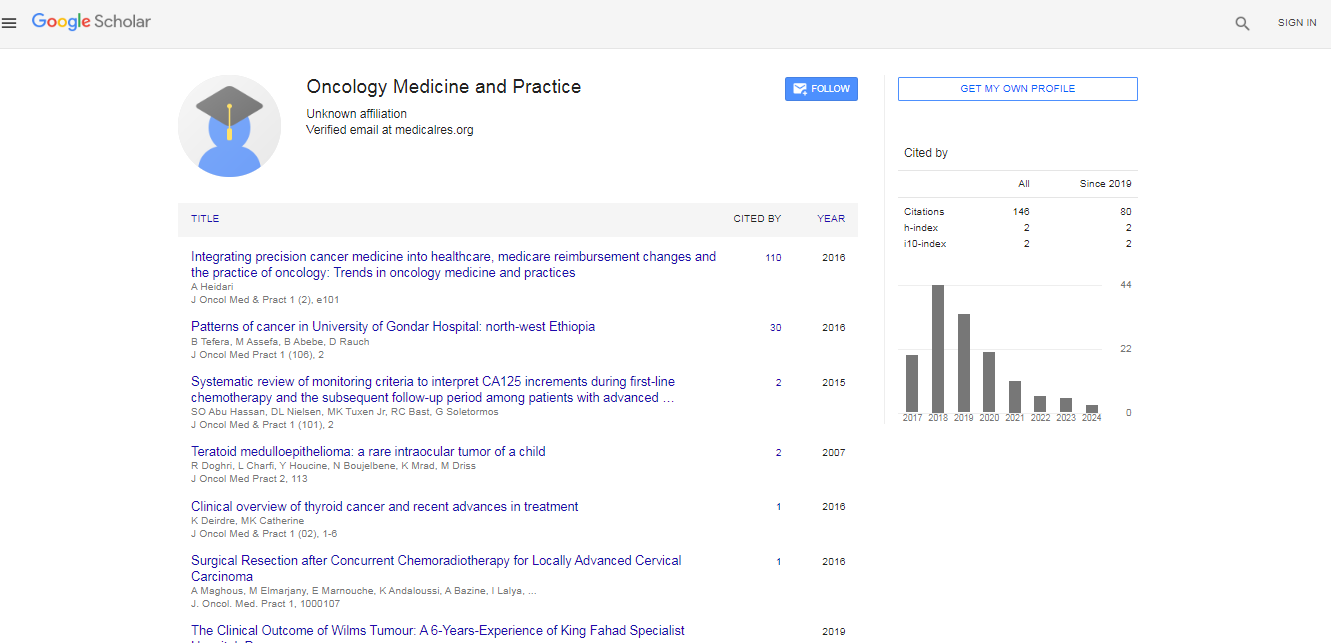
Journal of Oncology Medicine & Practice received 142 citations as per Google Scholar report