Opinion - (2025) Volume 14, Issue 5
Received: 01-Sep-2025, Manuscript No. jio-26-184827;
Editor assigned: 03-Sep-2025, Pre QC No. P-184827;
Reviewed: 17-Sep-2025, QC No. Q-184827;
Revised: 22-Sep-2025, Manuscript No. R-184827;
Published:
29-Sep-2025
, DOI: 10.37421/2329-6771.2025.14.576
Citation: Ferreira, Isabel. ”Botanical Supplements in Oncology: Risks, Research, and Guidance.” J Integr Onco 14 (2025):576.
Copyright: © 2025 Ferreira I. This is an open-access article distributed under the terms of the Creative Commons Attribution License, which permits unrestricted use, distribution and reproduction in any medium, provided the original author and source are credited.
The integration of botanical supplements into oncology care presents a complex landscape, necessitating a thorough examination of their safety and efficacy. While many patients express interest in these natural adjuncts, understanding their potential interactions with conventional cancer treatments is paramount. The critical need for rigorous safety assessments of botanical supplements used in oncology is highlighted, emphasizing that while some botanicals show promise, their interactions and potential side effects require careful evaluation. Key concerns include the lack of standardization, potential for contamination, and insufficient clinical data regarding efficacy and safety in cancer patients. Therefore, evidence-based approaches are advocated to responsibly integrate these supplements, ensuring patient safety and avoiding detrimental interactions [1].
The exploration of the complex pharmacological profiles of common botanical supplements, such as St. John's Wort and echinacea, is crucial. These profiles include their documented interactions with chemotherapy agents and the mechanisms by which these interactions can occur, such as the induction or inhibition of cytochrome P450 enzymes. This can lead to altered drug efficacy or increased toxicity. The authors underscore the importance of oncologists being aware of these potential issues to guide patients effectively [2].
A significant interest in complementary and alternative medicine among cancer patients, often driven by a desire for greater control over their treatment and perceived natural benefits, has been revealed. However, this research also points to a gap in knowledge regarding the safety and evidence base for many supplements. This highlights the critical need for better patient education and open communication with healthcare providers [3].
The regulatory challenges and quality control issues associated with botanical supplements are significant concerns within the oncology sphere. The current landscape often categorizes supplements as food products, leading to less stringent oversight compared to pharmaceuticals. This can result in products with variable potency, misidentification of plant species, and contamination with heavy metals or undeclared drugs, posing significant risks to vulnerable cancer patients [4].
An overview of the preclinical and clinical evidence for specific botanical agents that have garnered attention in oncology is essential. This evaluation assesses the available scientific literature on their purported anticancer mechanisms and safety profiles, emphasizing where evidence is strong and where it remains preliminary. The authors stress the importance of distinguishing between traditional use, in vitro findings, and robust clinical trial data [5].
The ethical considerations surrounding the recommendation and use of botanical supplements in cancer care are multifaceted. These include the principle of informed consent, the responsibility of healthcare providers to offer evidence-based advice, and the potential for patients to be misled by unsubstantiated claims. The authors advocate for a balanced approach that respects patient autonomy while prioritizing their well-being and safety [6].
A practical guide for oncologists on how to effectively discuss botanical supplements with their patients is provided. This guide offers strategies for eliciting information about supplement use, assessing potential risks and benefits, and providing clear, evidence-based recommendations. The authors emphasize the importance of maintaining an open and non-judgmental dialogue to build trust and ensure optimal patient care [7].
Challenges in standardizing botanical extracts for clinical research are a significant hurdle. This includes variations in active compound concentrations due to plant source, harvesting, and processing methods. The lack of standardization makes it difficult to replicate study findings and reliably assess safety and efficacy. The authors call for improved manufacturing practices and analytical methods to ensure consistent product quality [8].
The potential for genotoxicity and carcinogenicity of commonly used botanical supplements requires careful examination. While many are considered safe for general populations, their use in immunocompromised cancer patients or in conjunction with cytotoxic therapies may alter these risk profiles. A review of available data suggests a need for caution and further research in this specific population [9].
Finally, the role of phytosterols and other plant-derived compounds in cancer therapy is examined, discussing both their potential benefits and the necessity of comprehensive safety evaluations. It is emphasized that 'natural' does not automatically equate to 'safe,' particularly in the context of complex diseases like cancer and intensive treatment regimens. The authors advocate for a thorough, evidence-based risk-benefit analysis for each botanical agent [10].
This article highlights the critical need for rigorous safety assessments of botanical supplements used in oncology, stressing that while some botanicals show promise, their interactions with conventional cancer treatments and potential side effects demand careful evaluation. Key concerns include the lack of standardization in supplement production, potential for contamination, and insufficient clinical data regarding efficacy and safety in cancer patients. The authors advocate for evidence-based approaches to integrate these supplements responsibly into cancer care, ensuring patient safety and avoiding detrimental interactions [1].
The review explores the complex pharmacological profiles of common botanical supplements, such as St. John's Wort and echinacea, and their documented interactions with chemotherapy agents. It details the mechanisms by which these interactions can occur, including induction or inhibition of cytochrome P450 enzymes, leading to altered drug efficacy or increased toxicity. The authors underscore the importance of oncologists being aware of these potential issues to guide patients effectively [2].
This study examines the perspectives of cancer patients and their attitudes towards using botanical supplements alongside conventional therapy. It reveals a significant interest in complementary and alternative medicine, often driven by a desire for greater control over their treatment and perceived natural benefits. However, the research also points to a gap in knowledge regarding the safety and evidence base for many supplements, highlighting the need for better patient education and communication with healthcare providers [3].
The article focuses on the regulatory challenges and quality control issues associated with botanical supplements. It discusses the current landscape where supplements are often regulated as food products, leading to less stringent oversight compared to pharmaceuticals. This can result in products with variable potency, misidentification of plant species, and contamination with heavy metals or undeclared drugs, posing significant risks to vulnerable cancer patients [4].
This research provides an overview of the preclinical and clinical evidence for specific botanical agents that have garnered attention in oncology. It evaluates the available scientific literature on their purported anticancer mechanisms and safety profiles, emphasizing where evidence is strong and where it remains preliminary. The authors stress the importance of distinguishing between traditional use, in vitro findings, and robust clinical trial data [5].
The paper addresses the ethical considerations surrounding the recommendation and use of botanical supplements in cancer care. It discusses the principle of informed consent, the responsibility of healthcare providers to offer evidence-based advice, and the potential for patients to be misled by unsubstantiated claims. The authors advocate for a balanced approach that respects patient autonomy while prioritizing their well-being and safety [6].
This article provides a practical guide for oncologists on how to discuss botanical supplements with their patients. It offers strategies for eliciting information about supplement use, assessing potential risks and benefits, and providing clear, evidence-based recommendations. The authors emphasize the importance of maintaining an open and non-judgmental dialogue to build trust and ensure optimal patient care [7].
The paper reviews the challenges in standardizing botanical extracts for clinical research, focusing on variations in active compound concentrations due to plant source, harvesting, and processing methods. This lack of standardization makes it difficult to replicate study findings and reliably assess safety and efficacy. The authors call for improved manufacturing practices and analytical methods to ensure consistent product quality [8].
This study investigates the potential for genotoxicity and carcinogenicity of commonly used botanical supplements. While many are considered safe for general populations, the authors highlight that their use in immunocompromised cancer patients or in conjunction with cytotoxic therapies may alter these risk profiles. The review of available data suggests a need for caution and further research in this specific population [9].
The article examines the role of phytosterols and other plant-derived compounds in cancer therapy, discussing both their potential benefits and the necessity of safety evaluations. It emphasizes that 'natural' does not automatically equate to 'safe,' especially in the context of complex diseases like cancer and intensive treatment regimens. The authors advocate for a thorough, evidence-based risk-benefit analysis for each botanical agent [10].
The use of botanical supplements in oncology presents significant challenges related to safety, efficacy, and interactions with conventional treatments. Concerns include a lack of standardization, potential contamination, and insufficient clinical data. Patients are interested in these supplements, but often lack knowledge about their risks and benefits. Regulatory oversight is limited, contributing to product variability. Ethical considerations require healthcare providers to offer evidence-based advice and ensure informed consent. Practical guidance for oncologists on communicating with patients about supplements is crucial. Research into genotoxicity and carcinogenicity is needed, especially for vulnerable patient populations. A thorough risk-benefit analysis is essential for each botanical agent, recognizing that natural origin does not guarantee safety.
None
None
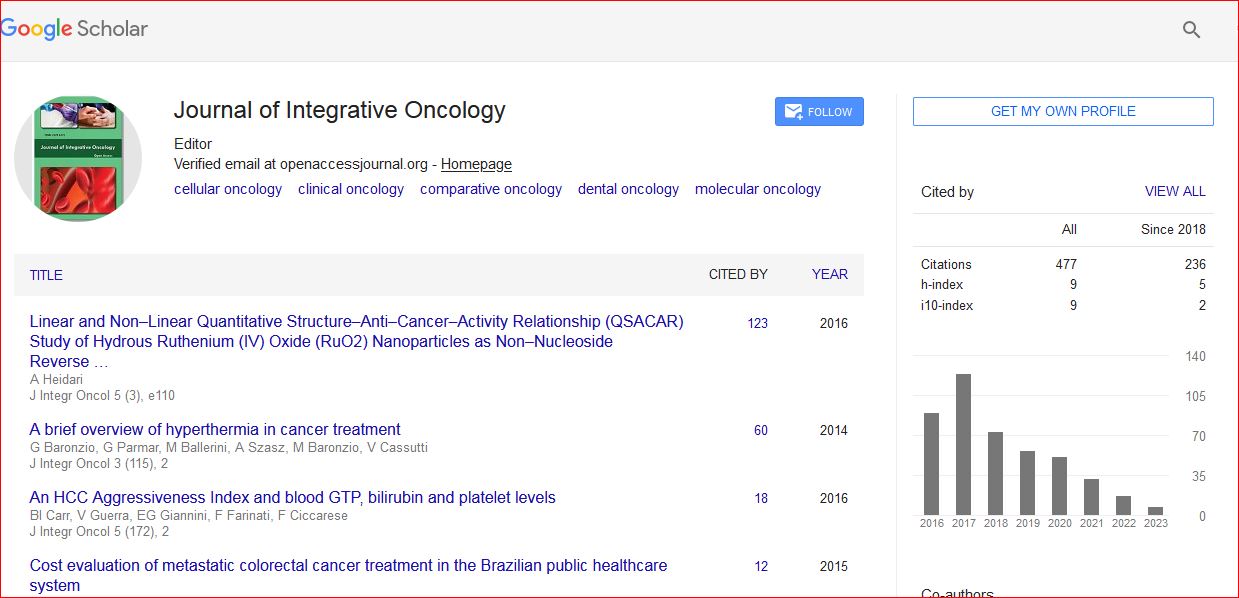
Journal of Integrative Oncology received 495 citations as per Google Scholar report