Brief Report - (2025) Volume 14, Issue 4
Received: 01-Jul-2025, Manuscript No. jio-26-184814;
Editor assigned: 03-Jul-2025, Pre QC No. P-184814;
Reviewed: 17-Jul-2025, QC No. Q-184814;
Revised: 22-Jul-2025, Manuscript No. R-184814;
Published:
29-Jul-2025
, DOI: DOI: 10.37421/2329-6771.2025.14.563
Citation: O’Connor, Michael. ”Art Therapy: Healing Through Creative Expression for Cancer Patients.” J Integr Onco 14 (2025):563.
Copyright: © 2025 O’Connor M. This is an open-access article distributed under the terms of the Creative Commons Attribution License, which permits unrestricted use, distribution and reproduction in any medium, provided the original author and source are credited.
Art therapy presents a compelling modality for enhancing the psychological well-being of individuals navigating the complexities of cancer rehabilitation. Its capacity to provide a non-verbal outlet for processing trauma is particularly noteworthy, offering a unique avenue for reducing prevalent anxiety and depression, and simultaneously bolstering coping mechanisms. The creative expression inherent in art therapy empowers patients to delve into their emotions, often stemming from their diagnosis and treatment, thereby cultivating a vital sense of control and self-efficacy. This holistic approach serves as a crucial complement to conventional medical treatments, diligently addressing the profound emotional and social ramifications of cancer, ultimately contributing to a more comprehensive recovery trajectory [1].
In the realm of palliative care for cancer patients, art therapy demonstrates significant potential in alleviating a range of distressing symptoms. Its application has been linked to substantial improvements in managing pain, fatigue, and sleep disturbances, thereby enhancing the overall quality of life for individuals facing advanced illness. Through the process of art-making, patients can discover solace, articulate deeply held fears, and foster a profound connection with their inner selves. This engagement encourages a focus on the present experience and can substantially facilitate communication between patients and their caregivers, cultivating a more supportive and understanding environment during the sensitive period of end-of-life care [2].
For the specific demographic of adolescent and young adult (AYA) cancer patients, art therapy emerges as a particularly valuable intervention. It offers a distinctive space for the critical process of identity exploration and equips them with essential tools for coping with the unique psychosocial challenges that accompany their diagnosis. This population frequently encounters distinct stressors related to maintaining peer relationships, continuing their education, and planning for their futures. Art therapy provides a secure and supportive environment for them to express a wide spectrum of complex emotions, fostering resilience and promoting a crucial sense of agency during a pivotal developmental phase [3].
Furthermore, art therapy plays an instrumental role in the journey of cancer survivors as they transition back to their daily lives following treatment. It actively aids in the reintegration of their self-identity, assists in managing residual physical and emotional side effects, and fosters a renewed sense of purpose and direction. The inherent creative process in art therapy encourages survivors to re-establish a vital connection with both their bodies and minds, ultimately empowering them to move forward with an enhanced sense of well-being and a more robust self-perception [4].
The efficacy of art therapy is further underscored by its capacity to foster vital social connections among cancer patients. Group art therapy sessions, in particular, provide a shared experiential platform, effectively reducing feelings of isolation and promoting invaluable mutual support. This collaborative creative environment enables patients to forge meaningful relationships, share their personal journeys, and draw strength from their collective experiences within the community, a factor that is undeniably vital for their emotional recovery [5].
Emerging research is beginning to elucidate the neural mechanisms that underpin the beneficial effects of art therapy in the context of cancer rehabilitation. Preliminary evidence strongly suggests that engaging in creative artistic activities can positively modulate specific brain regions that are critically involved in emotion regulation, the body's stress response, and self-awareness. This underlying neurobiological impact is believed to contribute significantly to the observed improvements in mood, reductions in anxiety levels, and enhancements in cognitive function experienced by patients undergoing cancer treatment and recovery [6].
Art therapy demonstrates a remarkable adaptability, allowing for tailored interventions to address the specific psychological challenges associated with different types of cancer. For instance, breast cancer patients might find art therapy particularly beneficial for exploring issues related to body image and their sense of femininity, while those diagnosed with lung cancer might find it a useful medium for addressing concerns related to breath and vitality. This personalized approach significantly enhances the therapy's relevance and overall efficacy in supporting the unique needs of individual patients throughout their rehabilitation process [7].
The strategic integration of art therapy into multidisciplinary cancer care teams holds the potential to substantially improve patient outcomes. Through collaborative efforts with oncologists, nurses, psychologists, and other healthcare professionals, art therapists contribute a comprehensive perspective that addresses the multifaceted needs of patients. This collaborative synergy ensures that essential emotional and psychological support is seamlessly woven into the fabric of the rehabilitation journey, ultimately leading to more favorable overall recovery experiences [8].
Moreover, art therapy serves as a powerful tool for empowering cancer patients, particularly during a period characterized by significant vulnerability. The very act of creation allows individuals to externalize their internal experiences, actively make meaningful choices, and visually manifest their thoughts and feelings. This empowering process effectively counteracts debilitating feelings of helplessness and helps to reassert a crucial sense of self-determination, which is paramount for successful and effective rehabilitation [9].
Finally, the therapeutic utilization of color and form within art therapy can exert a profound and positive influence on the emotional states of cancer patients. Through this modality, patients can acquire the skills to employ color symbolism and other artistic elements to both express and effectively regulate a wide array of emotions, including fear, anger, and hope. This conscious engagement with visual language demonstrably enhances emotional literacy and equips patients with practical coping strategies that can be readily applied beyond the confines of the therapy session itself [10].
Art therapy is increasingly recognized for its significant contributions to the psychological well-being of cancer patients during their rehabilitation phases. It provides a crucial non-verbal pathway for processing traumatic experiences, thereby leading to notable reductions in anxiety and depression, while simultaneously strengthening essential coping mechanisms. The inherent creative expression within art therapy offers patients a vital opportunity to explore the complex emotions associated with their diagnosis and treatment, fostering a profound sense of control and self-efficacy. This approach is not a replacement for conventional treatments but rather a powerful complement, diligently addressing the profound emotional and social impacts of cancer and ultimately contributing to a more holistic and comprehensive recovery process [1].
In the context of palliative care for individuals with cancer, art therapy has demonstrated a significant capacity to alleviate various symptoms that can compromise quality of life. Studies indicate its effectiveness in mitigating pain, fatigue, and sleep disturbances, allowing patients to find greater comfort and peace. The act of creating art serves as a means for patients to express unspoken fears, connect with their inner selves, and discover solace. This therapeutic modality encourages a focus on the present moment and can significantly improve communication between patients and their caregivers, fostering a more supportive and empathetic environment during end-of-life care [2].
The application of art therapy is particularly beneficial for adolescent and young adult (AYA) cancer patients, offering a unique space for navigating the complexities of identity exploration and coping with the psychosocial challenges of their diagnosis. This age group often faces distinct stressors related to peer interactions, academic pursuits, and future aspirations. Art therapy provides a safe and constructive outlet for expressing intricate emotions, thereby cultivating resilience and promoting a sense of agency during a critical developmental stage of their lives [3].
For cancer survivors, art therapy plays a crucial role in their transition back to everyday life after completing treatment. It aids in the process of reintegrating their sense of self, managing any lingering physical or emotional side effects of the cancer and its treatment, and fostering a renewed feeling of purpose. The creative engagement involved in art therapy helps survivors re-establish a crucial connection with their bodies and minds, empowering them to move forward with improved overall well-being and a strengthened sense of self [4].
The ability of art therapy to foster social connections among cancer patients is another significant benefit. Group art therapy sessions offer a shared experience that can effectively diminish feelings of isolation and promote mutual support among participants. This collaborative artistic environment allows patients to build new relationships, share their personal cancer journeys, and draw strength from their community, which is an indispensable component for their emotional recovery and overall healing process [5].
Scientific inquiry is beginning to unravel the underlying neural mechanisms that contribute to the observed benefits of art therapy in cancer rehabilitation. Emerging evidence suggests that participation in creative activities can positively influence brain regions involved in regulating emotions, managing stress responses, and enhancing self-awareness. These neurobiological changes are thought to be directly responsible for the reported improvements in mood, reductions in anxiety, and enhanced cognitive functions experienced by patients undergoing cancer treatment and recovery [6].
Art therapy's versatility is further highlighted by its capacity to be adapted to the specific needs of patients with different cancer diagnoses. For example, individuals with breast cancer might utilize art therapy to explore aspects of body image and femininity, while those with lung cancer might address themes related to breath and life force. This personalized approach significantly increases the relevance and effectiveness of the therapy in addressing the unique psychological challenges faced by each patient during their rehabilitation [7].
The integration of art therapy into comprehensive multidisciplinary cancer care teams is a key strategy for enhancing patient outcomes. By collaborating with oncologists, nurses, psychologists, and other specialists, art therapists ensure that patients receive holistic support that addresses their emotional and psychological needs alongside their medical treatment. This coordinated effort guarantees that emotional well-being is an integral part of the rehabilitation process, leading to more positive overall recovery [8].
Art therapy can be a powerful agent of empowerment for cancer patients, particularly during times of significant vulnerability. The act of creation allows individuals to express their internal world, make deliberate choices, and manifest their thoughts and feelings in a tangible form. This process directly counteracts feelings of helplessness and helps to restore a vital sense of self-determination, which is fundamental for effective rehabilitation and recovery [9].
The deliberate use of color and form in art therapy can profoundly impact the emotional landscape of cancer patients. Through guided artistic expression, patients can learn to utilize the symbolic meanings of colors and other visual elements to express and regulate a spectrum of emotions, including fear, anger, and hope. This cultivated engagement with visual language enhances emotional intelligence and provides patients with practical coping strategies that extend beyond the therapy session, promoting long-term emotional resilience [10].
Art therapy offers significant benefits for cancer patients across various stages of their journey, from rehabilitation and palliative care to survivorship. It provides a non-verbal outlet for processing trauma, reducing anxiety and depression, and enhancing coping mechanisms. For patients in palliative care, it alleviates pain, fatigue, and sleep disturbances, improving quality of life. Art therapy is also crucial for adolescents and young adults in identity exploration and for survivors in reintegrating into daily life. Group sessions foster social connection and reduce isolation. Emerging research suggests neurobiological benefits related to emotion regulation and stress response. The therapy can be tailored to specific cancer types and integrated into multidisciplinary care for holistic support. Ultimately, art therapy empowers patients by fostering a sense of control and self-efficacy, utilizing color and form to regulate emotions and improve overall well-being.
None
None
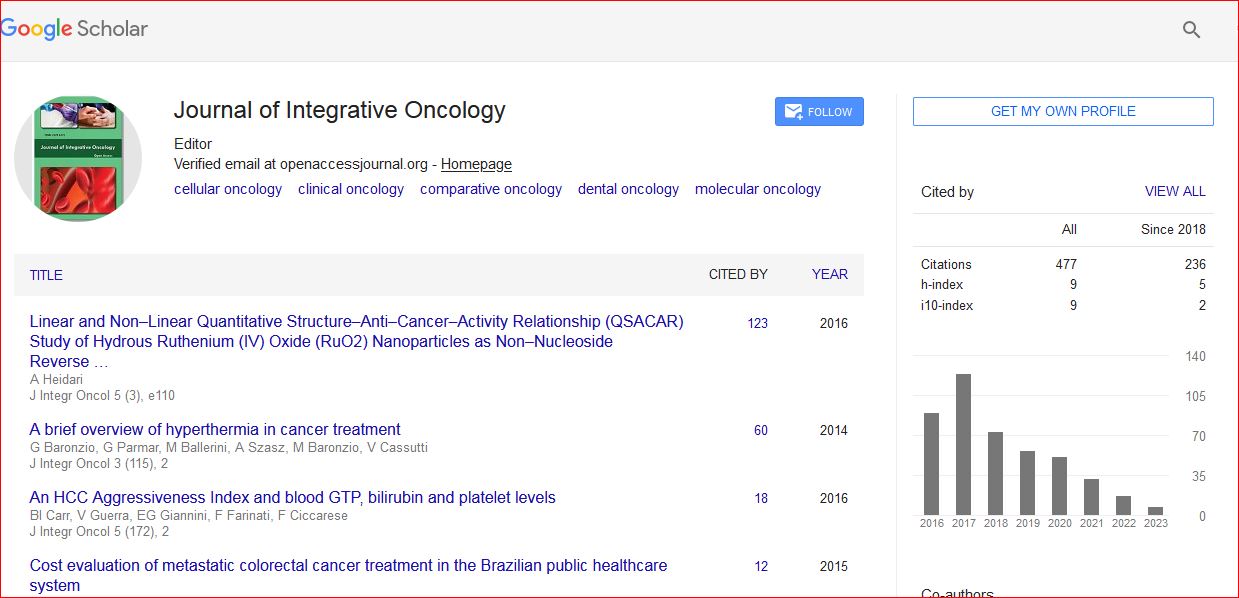
Journal of Integrative Oncology received 495 citations as per Google Scholar report