Opinion - (2026) Volume 16, Issue 1
Received: 01-Jan-2026, Manuscript No. jccr-26-188954;
Editor assigned: 05-Jan-2026, Pre QC No. P-188954;
Reviewed: 19-Jan-2026, QC No. Q-188954;
Revised: 22-Jan-2026, Manuscript No. R-188954;
Published:
29-Jan-2026
, DOI: 10.37421/2165-7920.2026.16.1708
Citation: Chen, Michael. ”Severe Dengue: Organ Failure, Cytokines, And Management.” J Clin Case Rep 16 (2026):1708.
Copyright: © 2026 Chen M. This is an open-access article distributed under the terms of the Creative Commons Attribution License, which permits unrestricted use, distribution and reproduction in any medium, provided the original author and source are credited.
Dengue hemorrhagic fever (DHF) represents a severe manifestation of dengue virus infection, often characterized by its complex and sometimes atypical presentations in adults. This condition necessitates a thorough understanding of its potential to cause profound organ system failure, extending beyond the classically recognized hemorrhagic symptoms. Early recognition and aggressive supportive care are paramount in managing these critical complications, emphasizing the need for heightened clinical suspicion, particularly in endemic regions or during recognized outbreaks [1].
The spectrum of dengue disease in adults is broad, encompassing a range of atypical presentations and significant organ involvement. This includes hepatic, renal, and neurological dysfunction, which can occur alongside or independent of hemorrhagic manifestations. Advocating for enhanced diagnostic vigilance and prompt multidisciplinary management is crucial for improving outcomes in severe dengue cases, highlighting that primary organ failure can be a prominent feature [2].
A systematic review and meta-analysis have sought to quantify the incidence and identify risk factors associated with severe organ impairment in dengue virus infections. By synthesizing data from numerous studies, this analysis provides valuable insights into the prevalence of hepatic, renal, cardiac, and neurological involvement, aiding in risk stratification and clinical decision-making by identifying key predictive markers [3].
Dengue shock syndrome (DSS) represents a particularly severe form of DHF, defined by circulatory failure and hypovolemic shock. Understanding the underlying pathophysiology, including the role of cytokine storm and immune-mediated damage, is essential for developing effective management strategies. Fluid resuscitation and hemodynamic support are critical in improving survival rates, and DSS can be a precursor to or coexist with other organ failures [4].
Neurological complications are a significant concern in dengue fever, presenting with a diverse range of manifestations beyond simple febrile seizures. These can include encephalitis, encephalopathy, myelitis, and peripheral neuropathies. The importance of thorough neurological assessment and dedicated supportive care cannot be overstated, especially when these neurological impacts are compounded by other organ system failures [5].
Acute liver injury (ALI) is another recognized complication of dengue fever, with studies analyzing its clinical characteristics and outcomes. Dengue can emerge as a significant cause of ALI, frequently associated with more severe disease and an increased risk of mortality, particularly when other organ failures are present. Early identification and management of liver dysfunction are thus critically important [6].
The renal manifestations of dengue virus infection, including acute kidney injury (AKI), warrant careful attention. Various etiologies contribute to AKI in dengue patients, such as dehydration, hypotension, direct viral effects, and inflammatory responses. Close monitoring of renal function and timely intervention are emphasized to prevent progression to chronic kidney disease [7].
Inflammatory markers and cytokines play a pivotal role in the pathogenesis of severe dengue, including DHF and DSS. An overactive immune response can lead to endothelial dysfunction, plasma leakage, and subsequent organ damage. Identifying specific cytokines that correlate with disease severity and organ failure offers potential targets for therapeutic interventions aimed at modulating this inflammatory cascade [8].
Diagnostic challenges and pitfalls in dengue fever management, particularly in non-endemic regions or during atypical outbreaks, pose a significant hurdle. The limitations of current diagnostic tests, coupled with the diverse clinical spectrum of dengue, necessitate strong clinical acumen for early suspicion, especially in patients presenting with severe symptoms or organ dysfunction [9].
For patients admitted to the intensive care unit (ICU) with severe dengue, particularly those experiencing multi-organ failure, outcomes are often grave. Identifying predictors of mortality and optimizing ICU management strategies, including mechanical ventilation, renal replacement therapy, and hemodynamic support, are crucial for improving survival rates in these complex cases requiring specialized care [10].
A rare presentation of Dengue Hemorrhagic Fever (DHF) in an adult patient has been detailed, highlighting concurrent multi-organ system failure, including acute kidney injury, liver dysfunction, and respiratory distress. The report underscores the critical need for early recognition and aggressive supportive management of severe dengue complications, emphasizing that DHF can manifest with profound organ involvement beyond typical hemorrhagic signs. This case exemplifies the importance of considering dengue in endemic and even non-endemic regions when patients exhibit unexplained organ dysfunction, especially during dengue outbreaks [1].
The spectrum of dengue disease in adults is explored, with a focus on atypical presentations and complications. Cases exhibiting significant organ involvement, such as hepatic, renal, and neurological dysfunction, in addition to hemorrhagic manifestations, are reviewed. The authors advocate for enhanced diagnostic vigilance and prompt multidisciplinary management strategies to improve outcomes in severe dengue, emphasizing that while classic DHF involves bleeding and plasma leakage, a substantial proportion of severe cases can present with primary organ failure [2].
A systematic review and meta-analysis were conducted to investigate the incidence and risk factors associated with severe organ impairment in dengue virus infections. This comprehensive analysis synthesized data from numerous studies to quantify the prevalence of hepatic, renal, cardiac, and neurological involvement in dengue patients. It identified key clinical and laboratory markers predictive of severe outcomes, offering valuable insights for risk stratification and clinical decision-making, underscoring the growing recognition of dengue as a systemic disease with potential for multi-organ damage [3].
Dengue shock syndrome (DSS), a severe form of DHF characterized by circulatory failure, is examined regarding its pathophysiology and evolving management strategies. The review delves into the mechanisms leading to capillary leakage and hypovolemic shock, emphasizing the role of cytokine storm and immune-mediated damage. It provides an updated perspective on fluid resuscitation strategies, vasopressor use, and complication monitoring, aiming to improve survival rates, acknowledging that DSS can precede or co-occur with other organ failures [4].
Neurological complications of dengue fever are the focus of a comprehensive review, highlighting the diverse range of neurological manifestations that extend beyond simple febrile seizures. The article discusses encephalitis, encephalopathy, myelitis, and peripheral neuropathies observed in dengue patients, emphasizing the importance of neurological assessment and supportive care for these severe cases, particularly when combined with other organ system failures. Understanding these neurological impacts is crucial for comprehensive patient management [5].
A case series analyzed acute liver injury (ALI) in dengue fever patients, examining clinical characteristics and outcomes. The findings suggest that dengue can be a significant cause of ALI, often associated with more severe disease and a higher risk of mortality, especially when coupled with other organ failures. Early identification and management of liver dysfunction are highlighted as critical components of care [6].
An overview of renal manifestations of dengue virus infection is presented, including acute kidney injury (AKI) and its various etiologies. The article discusses the mechanisms contributing to AKI, such as dehydration, hypotension, direct viral effects, and inflammatory responses. The authors emphasize the importance of close renal function monitoring and timely intervention to prevent progression to chronic kidney disease, particularly in the context of multi-organ failure [7].
The role of inflammatory markers and cytokines in the pathogenesis of severe dengue, including DHF and DSS, is examined. This research investigates how an overactive immune response can lead to endothelial dysfunction, plasma leakage, and organ damage. Specific cytokines that correlate with disease severity and organ failure are identified, providing potential targets for therapeutic interventions aimed at managing complex dengue presentations by understanding this inflammatory cascade [8].
This article addresses the diagnostic challenges and pitfalls in managing dengue fever, particularly in non-endemic regions or during atypical outbreaks. It discusses the limitations of current diagnostic tests and the crucial role of clinical acumen in suspecting dengue, especially in patients presenting with severe symptoms or organ dysfunction. The authors stress the need for increased awareness among healthcare professionals regarding the diverse clinical spectrum of dengue [9].
Finally, a retrospective study evaluates the outcomes of patients admitted to the intensive care unit (ICU) with severe dengue and multi-organ failure. It identifies predictors of mortality and discusses optimal ICU management strategies, including mechanical ventilation, renal replacement therapy, and hemodynamic support. The study highlights the high morbidity and mortality associated with severe dengue requiring ICU admission, underscoring the critical need for specialized care [10].
Dengue virus infection can manifest severely in adults, leading to Dengue Hemorrhagic Fever (DHF) and Dengue Shock Syndrome (DSS), often involving multi-organ system failure including acute kidney injury, liver dysfunction, and neurological complications. Early recognition and aggressive supportive management are crucial. The disease spectrum is broad, with atypical presentations and organ dysfunction being common. Inflammatory responses and cytokine profiles play a key role in pathogenesis, contributing to endothelial dysfunction and organ damage. Diagnostic challenges exist, especially in non-endemic areas, emphasizing the need for clinical acumen. Severe cases requiring intensive care unit admission have high morbidity and mortality, necessitating specialized management strategies.
None
None
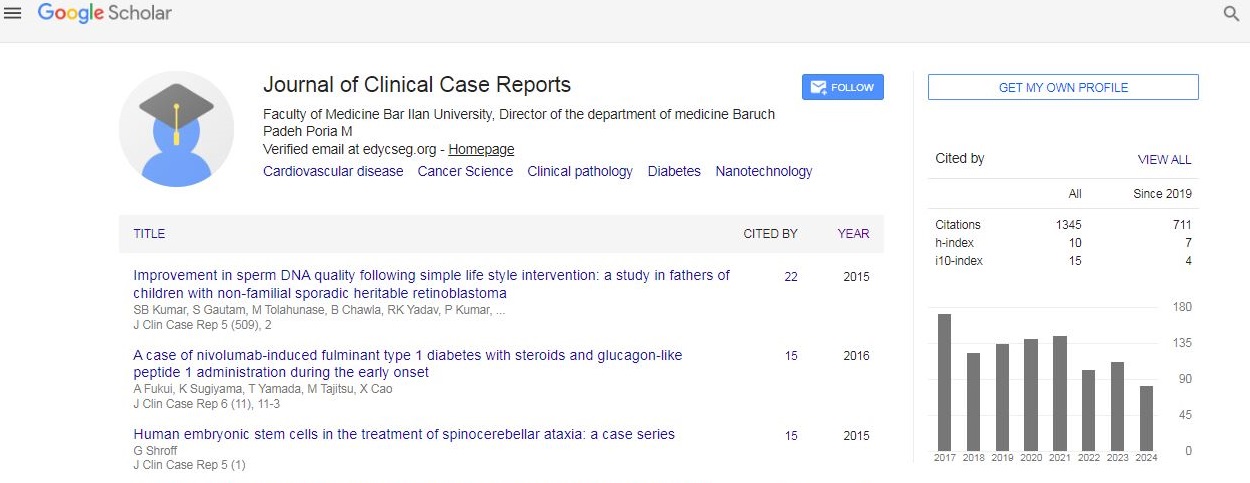
Journal of Clinical Case Reports received 1345 citations as per Google Scholar report