Perspective - (2025) Volume 15, Issue 6
Received: 31-Oct-2025, Manuscript No. jccr-26-181170;
Editor assigned: 03-Nov-2025, Pre QC No. P-181170;
Reviewed: 17-Nov-2025, QC No. Q-181170;
Revised: 21-Nov-2025, Manuscript No. R-181170;
Published:
28-Nov-2025
, DOI: 10.37421-2165-7920.2025.15.1697
Citation: Rossi, Isabella. ”Rare Diseases Masked By Common Symptoms: A Diagnostic Challenge.” J Clin Case Rep 15 (2025):1697.
Copyright: © 2025 Rossi I. This is an open-access article distributed under the terms of the Creative Commons Attribution License, which permits unrestricted use, distribution and reproduction in any medium, provided the original author and source are credited.
This case report highlights how a common symptom like fever can obscure a rare underlying condition, emphasizing the importance of a comprehensive diagnostic approach. The patient presented with persistent fever, initially attributed to common infections, but further investigation revealed a rare autoimmune disorder. This underscores the challenge of diagnosing rare diseases and the need for clinicians to maintain a broad differential diagnosis, especially when symptoms are protracted or atypical.[1] Persistent cough, often dismissed as a symptom of common respiratory illnesses, can sometimes be the sole indicator of a rare interstitial lung disease. This case illustrates how a detailed history, combined with advanced imaging and biopsy, was crucial in identifying an uncommon form of pulmonary fibrosis. It serves as a reminder to consider less frequent diagnoses when standard treatments for common ailments prove ineffective.[2] Abdominal pain is a ubiquitous symptom with myriad causes, making it a frequent masker of serious, yet rare, gastrointestinal pathologies. This report details a patient with recurrent abdominal pain that, after extensive workup, was found to be due to a rare vascular anomaly. The case emphasizes the diagnostic odyssey often associated with rare diseases and the need for persistent, multidisciplinary evaluation.[3] Neurological symptoms, such as headache and dizziness, are often attributed to stress or common neurological disorders. This case, however, presents a rare genetic disorder mimicking more common neurological complaints. It highlights the critical role of genetic testing and specialist consultation when initial evaluations for prevalent conditions do not yield a diagnosis or response to treatment.[4] Fatigue is a highly nonspecific symptom that can be the presenting complaint for a vast array of conditions, including rare ones. This report details a case where profound fatigue was the key symptom leading to the diagnosis of an uncommon endocrine disorder. It underscores the necessity of a systematic and thorough investigation of even the most common and vague symptoms.[5] Skin rashes are frequently encountered, but certain presentations can signal rare dermatological or systemic diseases. This case report focuses on a patient whose widespread rash, initially thought to be a common allergic reaction, was eventually diagnosed as a rare vasculitis. It highlights the importance of a detailed dermatological examination and prompt referral for complex cases.[6] Weight loss, a concerning symptom, is often associated with malignancy or lifestyle changes. However, this case demonstrates how unexplained weight loss can be the primary manifestation of a rare metabolic disorder, requiring specialized biochemical testing. The report emphasizes the need for comprehensive metabolic screening in patients with persistent, unexplained symptoms.[7] Joint pain is a common complaint, frequently attributed to arthritis or overuse injuries. This case report presents a rare genetic condition presenting with joint pain, which was initially misdiagnosed. It highlights the utility of detailed family history and advanced genetic analysis in uncovering rare genetic syndromes that manifest with seemingly common symptoms.[8] Gastrointestinal bleeding is a serious symptom that warrants urgent investigation. This case report illustrates a rare cause of obscure gastrointestinal bleeding that mimicked more common etiologies. It emphasizes the importance of considering unusual diagnoses when standard endoscopic evaluations are negative or inconclusive, particularly with persistent bleeding.[9] Swollen lymph nodes are a common sign of infection. However, this case highlights how persistent lymphadenopathy can be the presenting feature of a rare hematological malignancy. It underscores the need for careful evaluation, including biopsy, of enlarged lymph nodes that do not resolve with conservative management.[10]
The case report involving persistent fever as a masking symptom for Adult-Onset Still's Disease underscores the diagnostic challenges posed by common presentations of rare conditions. It stresses the imperative for clinicians to maintain a broad differential diagnosis, especially when symptoms are protracted or atypical, to avoid overlooking uncommon underlying pathologies.[1] Another case illustrates how persistent cough, often dismissed as a common respiratory ailment, can be the sole indicator of a rare interstitial lung disease. The necessity of detailed patient history, advanced imaging, and biopsy is highlighted in identifying uncommon forms of pulmonary fibrosis when standard treatments for prevalent conditions prove ineffective.[2] Abdominal pain, a frequent symptom with diverse etiologies, can obscure serious gastrointestinal pathologies. This case report demonstrates how a rare vascular anomaly was identified as the cause of recurrent abdominal pain only after extensive investigation, emphasizing the often prolonged and multidisciplinary nature of diagnosing rare diseases.[3] Neurological symptoms such as headache and dizziness, frequently attributed to common causes, can mask rare genetic disorders. The significance of genetic testing and specialist consultation is underscored when initial evaluations for prevalent neurological complaints do not lead to a diagnosis or adequate treatment response.[4] Profound fatigue, a highly nonspecific symptom, can herald rare endocrine disorders. This case highlights the need for systematic and thorough investigation of even seemingly vague symptoms, as they can be the key to diagnosing uncommon conditions that might otherwise be overlooked.[5] Skin rashes, commonly seen, can sometimes be indicative of rare dermatological or systemic diseases. A case of widespread rash initially mistaken for an allergic reaction but diagnosed as a rare vasculitis emphasizes the importance of detailed dermatological examination and prompt referral for complex or unusual presentations.[6] Unexplained weight loss, a symptom often associated with common conditions like malignancy, can also be the primary manifestation of rare metabolic disorders. This report underscores the need for comprehensive metabolic screening in patients presenting with persistent and unexplained weight loss.[7] Joint pain, typically linked to arthritis or overuse, can be the presenting feature of rare genetic conditions. The utility of detailed family history and advanced genetic analysis in identifying rare genetic syndromes that mimic common symptoms is highlighted in this case report.[8] Gastrointestinal bleeding, a serious symptom requiring prompt investigation, can stem from rare causes that mimic more common etiologies. The importance of considering unusual diagnoses when standard endoscopic evaluations are inconclusive, particularly in cases of persistent bleeding, is emphasized.[9] Persistent lymphadenopathy, commonly associated with infection, can be the primary presentation of rare hematological malignancies. This case underscores the necessity of careful evaluation, including biopsy, for enlarged lymph nodes that do not resolve with conventional management.[10]
This collection of case reports highlights how common symptoms like fever, cough, abdominal pain, neurological disturbances, fatigue, skin rashes, weight loss, joint pain, gastrointestinal bleeding, and swollen lymph nodes can mask rare underlying conditions. The reports emphasize the critical importance of a comprehensive diagnostic approach, maintaining a broad differential diagnosis, detailed patient history, advanced investigations such as imaging and genetic testing, and timely specialist consultation. These case studies serve as reminders for clinicians to consider uncommon diagnoses, especially when standard treatments prove ineffective or symptoms persist, underscoring the diagnostic challenges and the need for thorough evaluation of even seemingly straightforward complaints to ensure accurate identification of rare diseases.
None
None
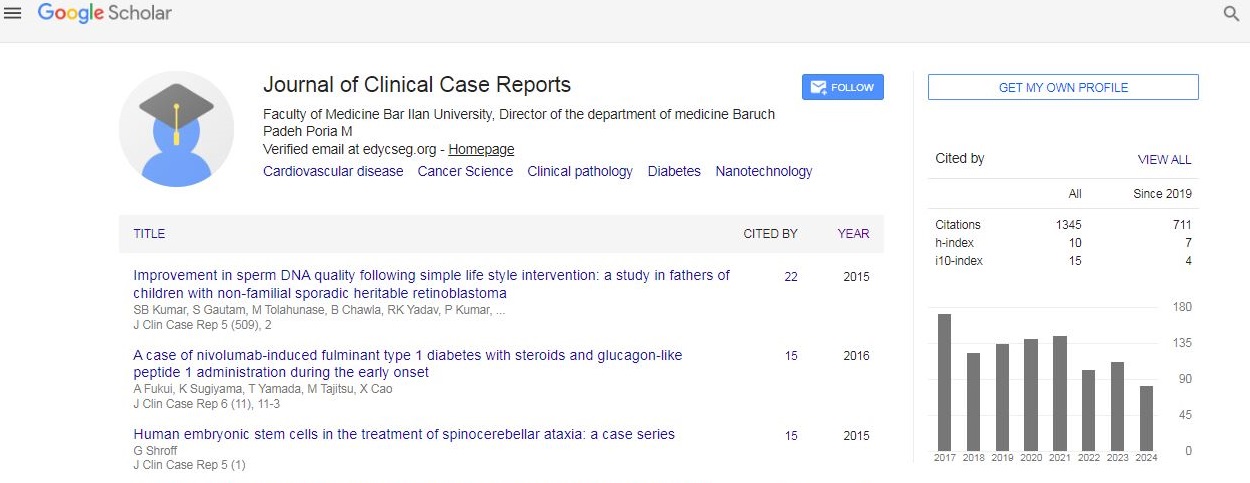
Journal of Clinical Case Reports received 1345 citations as per Google Scholar report