Commentary - (2026) Volume 16, Issue 2
Received: 28-Feb-2026, Manuscript No. jccr-26-191264;
Editor assigned: 02-Mar-2026, Pre QC No. P-191264;
Reviewed: 16-Mar-2026, QC No. Q-191264;
Revised: 23-Mar-2026, Manuscript No. R-191264;
Published:
30-Mar-2026
, DOI: 10.37421-2165-7920.2026.16.1715
Citation: Moreno, Lisa. ”Hyperparathyroidism: A Hidden Cause of Kidney Stones.” J Clin Case Rep 16 (2026):1715.
Copyright: © 2026 Moreno L. This is an open-access article distributed under the terms of the Creative Commons Attribution License, which permits unrestricted use, distribution and reproduction in any medium, provided the original author and source are credited.
Recurrent renal lithiasis poses a significant clinical challenge, often necessitating a thorough investigation into underlying metabolic derangements. Primary hyperparathyroidism has emerged as a notable, yet sometimes overlooked, etiology contributing to the persistent formation of kidney stones. This endocrine disorder, characterized by excessive parathyroid hormone (PTH) production, disrupts calcium and phosphate homeostasis, creating a milieu conducive to stone precipitation [1].
The intricate relationship between elevated parathyroid hormone levels and disordered calcium metabolism is a critical aspect of understanding nephrolithiasis in this context. Increased PTH leads to enhanced bone resorption, increased renal calcium reabsorption, and altered phosphate excretion, collectively promoting supersaturation of urine with calcium salts, a prerequisite for stone formation [2].
Navigating the pathogenesis and management of hyperparathyroidism-induced nephrolithiasis requires a comprehensive approach. This involves recognizing the biochemical abnormalities, employing appropriate imaging modalities for diagnosis, and considering both surgical and medical treatment options to prevent recurrent stone formation and mitigate associated complications [3].
The broad spectrum of hypercalcemic disorders underscores the importance of identifying the root cause of elevated calcium levels, particularly in patients presenting with urinary tract stones. Primary hyperparathyroidism stands out as the most frequent cause of symptomatic hypercalcemia and a substantial contributor to the burden of nephrolithiasis [4].
In the diagnostic armamentarium for patients with nephrolithiasis, particularly those with recurrent stone episodes, the measurement of parathyroid hormone (PTH) levels plays a pivotal role. Studies have revealed that a substantial proportion of such individuals harbor underlying hyperparathyroidism, even in the absence of overt symptoms, highlighting the utility of routine PTH testing [5].
The medical management of primary hyperparathyroidism offers a crucial avenue for addressing its renal manifestations, including kidney stone disease. Pharmacological interventions aimed at reducing serum calcium levels and thereby mitigating stone risk, such as the use of bisphosphonates, are vital, especially when surgical intervention is not feasible or indicated [6].
For patients with primary hyperparathyroidism and associated nephrolithiasis, surgical intervention, specifically parathyroidectomy, offers a potentially curative solution. Successful removal of the hyperfunctioning parathyroid tissue has been shown to significantly reduce the recurrence of kidney stones and improve overall renal function, underscoring the efficacy of this definitive treatment [7].
An updated understanding of primary hyperparathyroidism encompasses evolving diagnostic criteria and refined treatment strategies, with a particular emphasis on minimizing complications such as nephrolithiasis. A multidisciplinary approach is increasingly advocated to optimize patient care and outcomes [8].
Furthermore, delving into the genetic underpinnings of primary hyperparathyroidism can shed light on predispositions to conditions like familial hypercalcemic hypocalciuria and multiple endocrine neoplasia syndromes, which themselves can manifest with recurrent kidney stones. Recognizing these genetic factors is instrumental for comprehensive patient evaluation and targeted family screening [9].
Systematic reviews and meta-analyses continue to refine our approach to the surgical management of primary hyperparathyroidism. By evaluating the efficacy and safety of various surgical techniques, evidence-based recommendations are established to optimize patient outcomes and minimize the incidence of complications, including recurrent nephrolithiasis [10].
A case report vividly illustrates a patient plagued by recurrent renal lithiasis, ultimately attributed to undiagnosed primary hyperparathyroidism. The persistent hypercalcemia and hypercalciuria, cardinal signs of this endocrine disorder, directly fostered the development of kidney stones. The successful management hinged on addressing the root cause, primary hyperparathyroidism, thereby emphasizing the critical need to consider metabolic etiologies in individuals experiencing repeated nephrolithiasis [1].
The established association between hyperparathyroidism and nephrolithiasis is underscored by the detrimental effects of elevated parathyroid hormone (PTH) levels on calcium homeostasis. Increased PTH activity triggers bone resorption, enhances renal calcium reabsorption, and promotes phosphate excretion, all of which contribute significantly to the lithogenic process within the kidneys [2].
Comprehensive reviews meticulously detail the pathogenesis and management strategies for hyperparathyroidism-related nephrolithiasis. These reviews cover the spectrum of biochemical anomalies, essential imaging techniques for accurate diagnosis, and the array of surgical and medical therapeutic options available. A recurring theme is the paramount importance of timely diagnosis and effective treatment of the underlying hyperparathyroidism to prevent recurrent stone formation and avert further complications [3].
The broad category of hypercalcemic disorders presents a complex landscape, with a significant portion of these conditions being linked to the formation of kidney stones. Among these, primary hyperparathyroidism stands out as the most prevalent cause of symptomatic hypercalcemia and a major contributor to the incidence of nephrolithiasis, necessitating careful clinical consideration [4].
Investigating the diagnostic utility of parathyroid hormone (PTH) measurement in patients presenting with nephrolithiasis has yielded compelling results. A notable proportion of individuals experiencing recurrent kidney stones are found to have underlying hyperparathyroidism, even when other clinical manifestations are absent. This finding strongly advocates for the routine incorporation of PTH testing in the evaluation of patients with unexplained or recurrent stone disease [5].
The medical management of primary hyperparathyroidism plays a crucial role in mitigating its impact on kidney stone disease. This involves employing pharmacological agents designed to lower serum calcium levels and consequently reduce the risk of stone formation, with medications like bisphosphonates being instrumental. While surgery remains the definitive treatment, medical management is indispensable in selected cases or when surgical intervention is contraindicated [6].
Long-term outcome studies following parathyroidectomy in patients with primary hyperparathyroidism and nephrolithiasis demonstrate a clear benefit. Successful surgical intervention has been correlated with a substantial decrease in the recurrence rate of kidney stones and notable improvements in renal function, highlighting the curative potential of addressing the hyperparathyroid state [7].
Recent updates in the diagnosis and management of primary hyperparathyroidism place a significant emphasis on its renal implications, including nephrolithiasis. This evolving understanding involves refined diagnostic criteria and strategic treatment approaches, all aimed at minimizing the occurrence of complications such as kidney stone formation. A coordinated, multidisciplinary approach to patient care is increasingly emphasized [8].
Exploration into the genetic factors contributing to primary hyperparathyroidism offers valuable insights into conditions such as familial hypercalcemic hypocalciuria and multiple endocrine neoplasia syndromes, both of which can be associated with recurrent stone formation. Acknowledging these genetic predispositions is vital for comprehensive patient assessment and proactive family screening [9].
Systematic reviews and meta-analyses focusing on the surgical management of primary hyperparathyroidism provide critical evidence regarding the efficacy and safety of various surgical techniques. These analyses contribute to the development of evidence-based guidelines, aiming to optimize surgical outcomes and reduce the incidence of complications, including recurrent nephrolithiasis [10].
Primary hyperparathyroidism is a significant, though often missed, cause of recurrent kidney stones due to its impact on calcium and phosphate metabolism. Elevated parathyroid hormone leads to increased calcium in the blood and urine, promoting stone formation. Diagnostic approaches include biochemical screening and parathyroid hormone measurement, especially in patients with recurrent stones. Management options range from medical therapy, which aims to lower calcium levels, to surgical parathyroidectomy, which offers a definitive cure and reduces stone recurrence. Genetic factors can also play a role in predisposed individuals. Understanding the intricate link between hyperparathyroidism and nephrolithiasis is crucial for effective diagnosis and treatment.
None
None
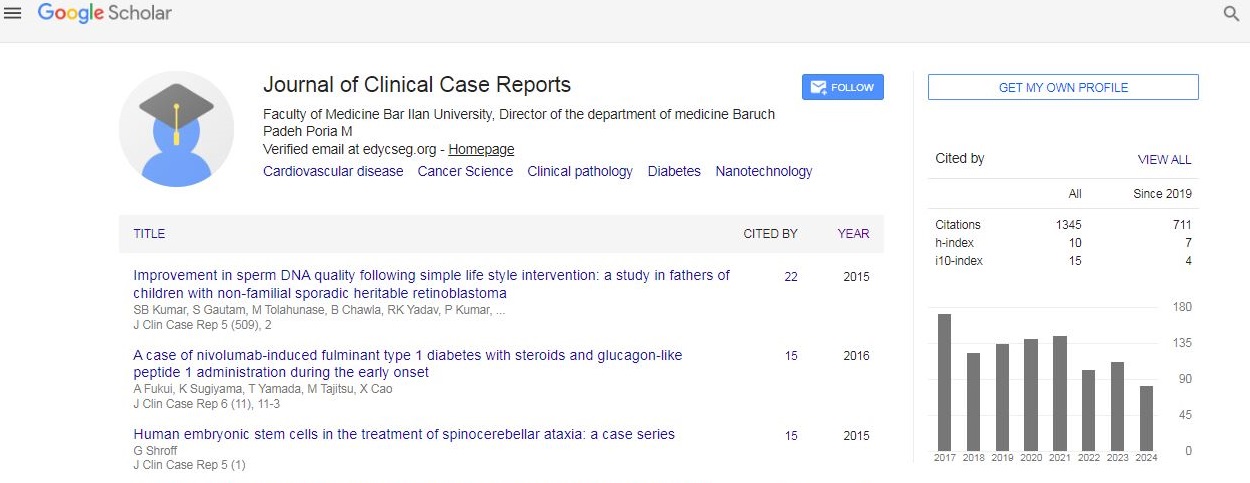
Journal of Clinical Case Reports received 1345 citations as per Google Scholar report